Demand for customized nutrition supplements is moving from niche experimentation toward a measurable wellness business. Grand View Research valued the global personalized nutrition market at approximately USD 14.4 billion in 2023. It projects a 15.6% compound annual growth rate from 2024 to 2030. These figures suggest strong opportunity, but market size alone cannot identify a dependable supplier.
Quality matters more than colorful packaging. A serious supplier should show ingredient traceability, batch testing, allergen controls, stability data, and transparent manufacturing standards. Certifications such as GMP, NSF, or ISO 22000 can support confidence, but they do not replace independent verification. The 2024 Council for Responsible Nutrition consumer survey also reported continued supplement use among U.S. adults, with 74% identifying as regular users. That usage creates responsibility. Personalization must not become careless marketing.
Nutrition scientist Eran Segal has stated, “There is no one-size-fits-all diet.” His observation supports the purpose of customized nutrition supplements, especially when formulas reflect dietary preferences, nutrient gaps, lifestyle patterns, and professional guidance. Still, personalization has limits. A questionnaire cannot diagnose a medical condition. An algorithm cannot replace a qualified practitioner.
This guide examines the 2026 supplier landscape through a practical lens. It considers formulation capability, testing transparency, minimum order quantities, delivery performance, packaging flexibility, and regulatory discipline. Some suppliers may look impressive online yet provide weak documentation. That gap deserves attention. The best partner is not always the largest company. It is the one that can consistently produce safe, evidence-informed products and explain every meaningful ingredient.

Customized nutrition supplements are products designed around a person’s specific nutritional needs, preferences, and daily routine. Unlike standard formulas, they may adjust nutrient levels, serving sizes, flavors, or delivery forms. A powder, capsule, or liquid can suit different users. Customization may consider age, diet, allergies, activity level, and verified laboratory results. It should not replace professional medical advice.
In 2026, reliable suppliers should show practical knowledge throughout the formulation process. They need qualified nutrition professionals, controlled production areas, and documented ingredient testing. Ask whether each batch has identity, purity, and contaminant checks. A clear certificate of analysis matters. So does transparent labeling. Good suppliers also explain storage conditions, shelf life, and suggested use. Personalization is not magic. Poor data can produce a poor formula. I have seen attractive plans become confusing when users receive too many ingredients at once.
Tips: Start with a documented nutrition assessment. Share allergies, medications, and current supplements with a qualified professional. Request a simple ingredient list and avoid vague blends. Check whether the supplier reviews dosage safety before production. Order a small trial when possible. Notice changes in digestion, energy, or tolerance. Keep a short daily record. Adjustments may be necessary, and that is normal.
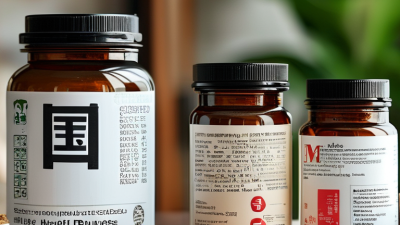
Evaluating a customized supplement supplier requires more than comparing prices. Request recent certificates of analysis for finished batches, not only raw materials. Check whether each report identifies potency, contaminants, allergens, and testing methods. A reliable supplier should explain its laboratory process clearly. Ask for batch traceability from ingredient receipt to final packaging. Visit the production site when possible. Clean storage rooms, labeled samples, and documented quality checks reveal more than polished presentations.
Tips: Ask for stability data, minimum order quantities, lead times, and change-control procedures. Confirm who owns the formula and testing records. Review the supplier’s experience with your dosage form, packaging, and target market. Verify that claims and labels can be reviewed by qualified regulatory professionals. Do not accept vague answers.
A strong partnership also depends on communication. Request a sample development timeline with approval points. Test a pilot batch before signing large production commitments. Compare flavor, texture, dissolvability, and packaging performance under realistic conditions. Some suppliers promise flexibility but struggle with small revisions. That mismatch can delay launches. A practical mistake is focusing only on the lowest quote. Hidden costs may appear through extra testing, artwork changes, or rejected samples. No supplier is flawless. I would document every concern, including minor delays, because small warning signs can become expensive problems. Reliability should be measured over repeated interactions, not one impressive meeting.
In 2026, customized nutrition supplement suppliers should offer more than attractive formulas. According to the 2024 CRN Consumer Survey, 75% of U.S. adults use dietary supplements. That demand increases the need for reliable evidence, clear labeling, and consistent manufacturing. A capable supplier should review target users, ingredient interactions, dosage limits, and intended product format before quoting. Personalized does not mean careless.
Formulation support should include ingredient sourcing, stability testing, pilot batches, and documented quality controls. Ask for a Certificate of Analysis for every lot, not only for the first shipment. Independent testing should verify identity, potency, microbes, heavy metals, and contaminants. Manufacturing should follow applicable current good manufacturing practices, including FDA 21 CFR Part 111 where relevant.
The details matter: a retained sample, coded batch number, and temperature record can reveal problems before products reach customers.
Supply services also need operational depth. A reliable partner should provide packaging guidance, label review, traceability, complaint handling, and realistic lead times. McKinsey’s 2024 Future of Wellness research values the global wellness market at about $1.8 trillion, with consumers seeking more personalized solutions. Yet personalization can create avoidable complexity. Minimum order quantities may change, and small formula adjustments can require new testing. Suppliers should explain these limits plainly. Vague promises are a warning sign. Good communication is part of quality.
In 2026, the best customized nutrition supplement suppliers will be judged by more than attractive formulations. Quality begins with verified raw materials, consistent specifications, and testing before production. A reliable supplier should provide batch-specific certificates of analysis, identity testing, and contaminant screening. Heavy metals, microbes, allergens, and prohibited substances require clear controls.
Safety depends on the entire manufacturing process. Look for documented good manufacturing practices, calibrated equipment, hygiene records, and stability testing in the intended packaging. Experienced technical teams should review ingredient interactions, dosage limits, labeling accuracy, and vulnerable consumer groups. Small details matter. A sealed sample jar, readable lot code, and controlled storage temperature can reveal operational discipline.
Compliance standards can vary by market, so capable suppliers maintain traceability from source to finished product. They should explain how claims are supported and how adverse events are recorded. Independent audits add credibility, but an audit alone proves little if corrective actions remain open. I have found supplier comparisons difficult when documentation is polished but incomplete. No supplier is flawless. The better question is whether problems are identified quickly, reported honestly, and corrected with evidence. Requesting recent test reports, audit findings, product specifications, and change-control records can expose gaps before a customized formula reaches consumers.
| Evaluation Dimension | Recognized Requirement or Standard | What It Verifies | Evidence to Request from a Supplier | Importance for Customized Supplements | Requirement Status |
|---|---|---|---|---|---|
| Good Manufacturing Practice | U.S. FDA 21 CFR Part 111 for dietary supplements | Specifications, manufacturing controls, laboratory testing, master manufacturing records, batch records, complaints, and reserve samples. | Current GMP certificate where applicable, audit report, master manufacturing record template, batch record sample, deviation and corrective-action procedure. | Essential for controlling formulation, weighing, blending, filling, packaging, and release of customized batches. | Required for U.S. dietary supplements |
| Food Safety Management | ISO 22000:2018 | A documented food safety management system based on hazard analysis, operational controls, communication, verification, and continual improvement. | Valid certificate, certification scope, latest surveillance or recertification result, hazard-analysis summary, and corrective-action records. | Useful for evaluating preventive controls across ingredients, processing, storage, and distribution. | Voluntary certification |
| HACCP-Based Controls | HACCP principles as described by Codex Alimentarius | Identification of biological, chemical, and physical hazards; critical control points; monitoring; corrective action; and verification. | Product-specific hazard analysis, flow diagram, critical control limits, monitoring logs, and verification schedule. | Important where formulas contain botanicals, probiotics, allergens, or ingredients with elevated contamination risk. | Required or expected depending on market and product category |
| Independent Product Certification | Third-party certification against a defined supplement or dietary-product standard | Additional review of manufacturing practices, product testing, label accuracy, contaminants, and prohibited substances, depending on the certification scheme. | Certificate number, product or facility scope, current validity, testing protocol, and publicly verifiable certification record. | Helps reduce buyer risk, but certification should not replace review of the actual formula, specifications, and batch results. | Voluntary |
| Ingredient Identity Testing | Supplier-defined identity specifications supported by validated or verified analytical methods | Confirms that the received ingredient is the declared material and matches its required identity, strength, and quality attributes. | Certificate of analysis, method reference, chromatograms or spectra where relevant, reference-standard controls, and lot traceability. | Critical for customized formulas because substitutions, adulteration, and misidentification can directly affect safety and label accuracy. | Expected for every incoming critical ingredient |
| Contaminant and Adulterant Control | Risk-based testing for heavy metals, microorganisms, pesticides, residual solvents, mycotoxins, and undeclared pharmaceuticals where applicable | Demonstrates that ingredients and finished products meet defined safety specifications and applicable legal limits. | Recent lot-specific results, acceptance limits, analytical methods, laboratory accreditation details, and out-of-specification investigation records. | Especially important for botanical, mineral, sports-nutrition, and imported raw materials. | Required according to product risk and applicable law |
| Laboratory Competence | ISO/IEC 17025 accreditation for relevant testing activities | Technical competence, method validation or verification, equipment control, measurement traceability, and impartial laboratory operations. | Accreditation certificate, scope of accreditation, test report, method identification, and sample-chain documentation. | Strengthens confidence in potency, purity, microbiology, and contaminant results, whether testing is internal or outsourced. | Strongly preferred for critical testing |
| Allergen Management | Documented allergen-control program aligned with the destination market's labeling rules | Controls allergen identification, segregation, scheduling, cleaning validation, label review, and cross-contact risks. | Allergen matrix, cleaning validation or verification records, changeover procedure, label approval record, and supplier allergen declarations. | Necessary for multi-product facilities and formulas containing or processed near major allergens. | Required when applicable |
| Traceability and Recall Readiness | One-step-back and one-step-forward traceability with a documented recall procedure | Ability to identify ingredient lots, packaging components, production records, customers, and affected finished-product batches. | Mock-recall results, lot-coding procedure, distribution records, retention policy, and complaint-escalation workflow. | Enables rapid containment if a customized batch has a quality, safety, or labeling issue. | Expected by food-safety and GMP systems |
| Label and Claims Compliance | Destination-market requirements, such as U.S. dietary-supplement labeling rules or applicable European Union food-supplement rules | Checks ingredient naming, serving size, allergen declarations, warnings, nutrition information, and permitted claims. | Regulatory label review, claim substantiation file, finished-product specification, artwork approval history, and change-control records. | Customized formulas create a higher risk of incorrect dosage, unauthorized claims, or incomplete warnings. | Required in the target market |
| Stability and Shelf-Life Support | Documented stability program using scientifically justified storage conditions and testing intervals | Supports expiration dating, storage instructions, potency retention, microbiological quality, and packaging compatibility. | Stability protocol, time-point results, packaging evaluation, accelerated or real-time study rationale, and assigned shelf life. | Important for products containing probiotics, oils, hygroscopic powders, sensitive vitamins, or multiple active ingredients. | Required when an expiration date is assigned |
| Change Control | Formal quality-system process for approving changes to formula, raw materials, suppliers, equipment, process, packaging, or labels | Ensures changes are assessed for regulatory, safety, quality, stability, and customer impact before implementation. | Change-control form, impact assessment, approval workflow, requalification or retesting records, and customer-notification procedure. | Protects consistency when a customized product is manufactured repeatedly or scaled up. | Expected within a controlled quality system |
Note: Certification status, legal requirements, testing frequency, and acceptable limits depend on the destination market, product category, formula risk, and intended claims. A certificate alone does not prove that every customized batch complies; lot-specific records and independent verification should also be reviewed.
Choosing a customized nutrition supplement supplier requires more than comparing prices.
According to the Council for Responsible Nutrition’s 2024 Consumer Survey, 75% of U.S. adults use dietary supplements. That figure raises expectations for safety, consistency, and transparent evidence.
Suppliers should provide current certificates of analysis, batch records, allergen controls, and third-party testing. Ask how they verify raw materials before production. A beautiful product sample can still hide weak sourcing.
Technical capability also matters. The supplier should explain formulation limits, ingredient stability, shelf-life testing, and minimum order quantities in clear language.
The 2024 Global Wellness Economy Monitor valued the global wellness economy at $6.3 trillion in 2023.
This growth creates opportunity, but it also attracts rushed manufacturers. Request pilot batches, review deviation records, and inspect the production site when possible. Confirm that labels and marketing claims fit each target market’s requirements.
Tips:
Build a supplier scorecard before requesting quotations. Score quality systems, documentation, communication speed, scalability, and total cost. Test samples under realistic storage conditions, not only in a showroom. I would also ask for two customer references, although references can be carefully selected. That is an imperfect signal. A supplier willing to discuss failed trials may be more dependable than one promising flawless results. Keep written specifications, approval records, and change-control terms from the first meeting.
Please visit our Flavor List for inspiration and contact Custom Flavors to discuss your specific flavor needs.
© 2025 Custom Flavors. All Rights Reserved.

"*" indicates required fields