The global sports nutrition market is expanding, but bigger does not always mean better. Grand View Research estimates that the worldwide dietary supplements market reached approximately USD 177.5 billion in 2023. Its report also projects continued growth through 2030, driven by fitness participation, preventive health, and online retail. These figures explain the crowded shelves facing global buyers. They do not prove that every product deserves trust.
This guide examines the 2026 best dietary sports supplements through practical criteria. These include ingredient transparency, evidence quality, manufacturing controls, dosage clarity, and suitability for different training goals. The International Society of Sports Nutrition supports creatine monohydrate and selected protein strategies for many active adults, when used appropriately. Its position stands also stress context, diet, training, and individual tolerance. A supplement cannot repair poor recovery.
Quality matters.
The Council for Responsible Nutrition’s consumer research has reported that roughly three-quarters of U.S. adults use dietary supplements. However, consumer confidence varies by product category and testing practice. Third-party programs, such as NSF Certified for Sport, can help buyers identify products tested for contaminants and banned substances. Certification still requires careful checking. It is not a universal guarantee.
Global purchasing adds another layer. Labels, permitted claims, serving sizes, and import rules differ across markets. Buyers should verify local requirements and consult qualified healthcare professionals when necessary. This overview intentionally avoids one-size-fits-all promises. Some recommendations may need revision as new studies emerge. That is a limitation, but an honest one.
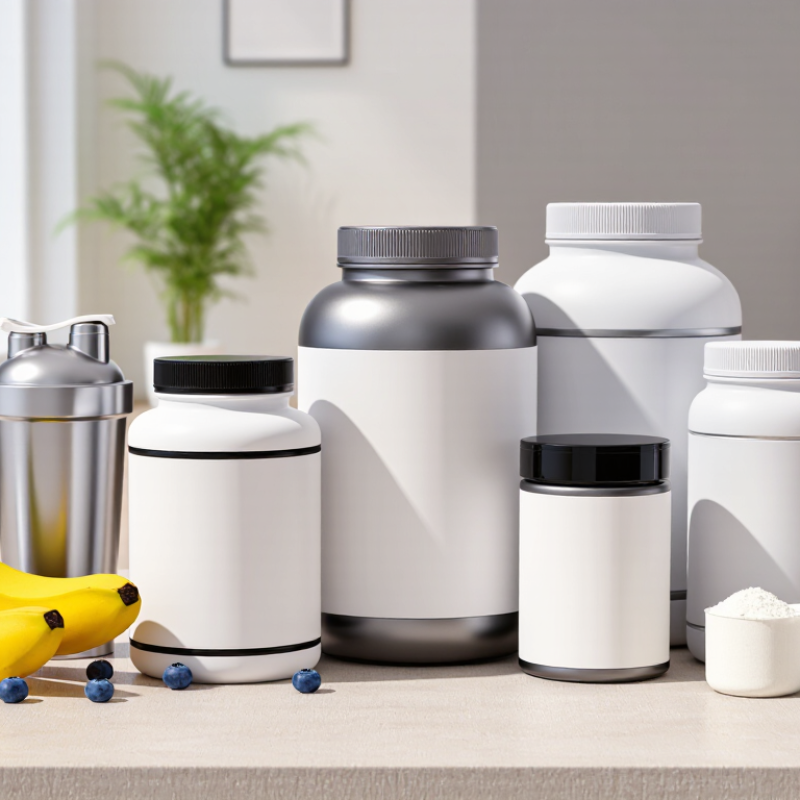
Defining Dietary Sports Supplements for Global Buyers in 2026
Dietary sports supplements support nutrition, training, or recovery. They include protein powders, creatine, electrolytes, caffeine, vitamins, and carbohydrate products. The category remains broad and sometimes confusing. A sports drink is not automatically a performance solution.
Grand View Research estimated the global sports nutrition market at about USD 46 billion in 2023. Its report also projects strong growth through 2030. This expansion attracts new products and uneven claims. Buyers should examine ingredient amounts, serving sizes, allergen statements, and manufacturing controls. Packaging matters, but evidence matters more.
The International Society of Sports Nutrition reports that protein intakes around 1.4–2.0 grams per kilogram may support active adults. Its position stand also recognizes creatine as a well-studied option for repeated, high-intensity exercise. Individual responses still differ. I would not treat one study as universal proof. Check medical conditions, medications, age, and sport rules before purchase. Independent testing can reduce contamination risks, especially for competitive athletes. The World Anti-Doping Agency updates its prohibited list regularly, while national supplement regulations vary widely. Global buyers should verify local labeling, permitted ingredients, and responsible importer details. Some product descriptions remain too confident. That deserves skepticism.
Sports supplements work best when they solve a specific nutrition problem. Protein powders can help athletes reach daily protein targets after training or during busy travel days. Their value depends on total diet, serving size, and tolerance. Creatine supports repeated high-intensity efforts, such as sprint sets or heavy lifting. It is well studied, but users should follow local guidance and maintain adequate fluid intake.
Electrolyte products may replace sodium and other minerals lost during long sessions, especially in heat. They are not necessary for every short workout. Carbohydrate gels, drinks, or powders can provide quick energy during endurance events lasting several hours. Omega-3 products may support general nutrition, but their sports benefits are less direct. Evidence is uneven. That matters.
Tips: Read the full label. Check protein content, added sugars, allergens, and serving instructions. Choose products with credible independent testing where available. Regulations differ across countries, so verify permitted ingredients before importing or selling. A qualified dietitian or healthcare professional can review medication use, kidney conditions, pregnancy, and personal training demands. I have seen athletes buy expensive products while ignoring sleep and ordinary meals. That is an easy mistake. Keep a simple training and nutrition log for two weeks. It may reveal that hydration, carbohydrates, or recovery habits need attention first.
Global buyers should examine the ingredient panel before comparing prices or packaging. Each ingredient needs a clear name, stated amount, and sensible serving size. Avoid products using vague blends that hide individual quantities. Check whether the formula matches the intended activity, diet, age group, and known health conditions. More ingredients do not automatically mean better performance.
Look for batch numbers, expiry dates, storage instructions, allergen statements, and accessible certificates of analysis. Independent laboratory testing can verify identity, purity, heavy metals, microbes, and undeclared substances. A certificate is useful only when it matches the exact batch being purchased. Ask who performed the test and whether the methods are recognized. Small details matter.
Read every claim carefully. “Supports recovery” is not the same as a guaranteed medical result. Laws differ across countries, so buyers should confirm local ingredient restrictions and labeling rules before importing. Packaging should be sealed, traceable, and written in the required language. Poor storage can damage quality, even when the original formula was sound. No checklist is perfect. I would still question unusually fast promises, unclear dosage instructions, and suppliers who avoid direct answers. Safety deserves more attention than attractive margins.
2026 Best Dietary Sports Supplements for Global Buyers
Global access depends on compliance, not only ingredient quality. Grand View Research valued the dietary supplements market at USD 177.5 billion in 2023, with strong growth expected through 2030. That expansion increases scrutiny at customs, retail platforms, and professional sports channels. In the United States, labels must follow the Dietary Supplement Health and Education Act. Structure-function claims need reliable substantiation and a required disclaimer. In the European Union, Directive 2002/46/EC controls supplement presentation, while novel ingredients may require separate authorization.
Labeling errors remain an expensive weakness. A compliant formula can still fail because of unsupported performance claims, missing allergen details, incorrect serving sizes, or untranslated warnings. The World Anti-Doping Agency’s 2025 Prohibited List also matters for sports-focused products, even when a substance is legally sold in one country. Country rules differ. That is the difficult part.
Tips: Build a market-by-market compliance file before production. Include ingredient specifications, certificates of analysis, stability results, claim evidence, and approved translations. Use conservative wording such as “supports normal energy metabolism,” only when evidence and local rules permit it. Check the final artwork, not just the formula. A small label change can alter legal status. The review process may feel slow, but rushing it creates larger costs. Even experienced teams miss regional differences. Recheck every shipment.
Regulatory labeling reference values for selected nutrients commonly used in sports nutrition products.
The chart compares the U.S. FDA Daily Values with the European Union Nutrient Reference Values under Regulation (EU) No 1169/2011. These values support nutrition-label calculations and are not maximum permitted amounts or universal product dosage limits. Requirements for ingredients, claims, warnings, notifications, and market access may differ by destination market.
For global buyers, reliable sports supplement sourcing begins with supplier verification, not attractive pricing. Request current manufacturing certificates, product specifications, allergen controls, and batch-level certificates of analysis. Check whether testing covers identity, purity, microbiological safety, and contaminants relevant to the ingredient. A laboratory report alone is not enough. Confirm the laboratory’s independence, methods, and accreditation status.
Practical purchasing teams should inspect production records, packaging controls, and traceability procedures. Ask suppliers to explain how one finished lot can be traced to its raw materials and shipping documents. Review label language for the destination market, including serving sizes, warnings, ingredient names, and permitted claims. Import rules differ widely. A formulation accepted in one country may require changes elsewhere. Keep written evidence for every decision.
Our early purchasing plan focused too heavily on unit cost and forecast volume. It looked efficient. It was not complete. We had underestimated seasonal demand, port delays, and shelf-life loss during transit. A stronger strategy uses smaller trial orders, defined acceptance criteria, and a second qualified supplier. Set reorder points using realistic lead times, not optimistic promises. Payment terms, recall responsibilities, insurance, and dispute procedures also deserve attention. I still consider supplier scoring imperfect, because quality risk cannot always be reduced to a neat spreadsheet. Face-to-face audits, retained samples, and open communication often reveal problems that documents miss.
| Supplement Category | Evidence-Supported Use | Common Adult Intake Benchmark | Critical Product Specifications | Supplier Verification Checklist | Storage and Purchasing Considerations |
|---|---|---|---|---|---|
| Creatine Monohydrate | Supports repeated high-intensity exercise performance and increases muscle creatine stores when combined with resistance training. | Usually 3–5 g per day. A loading protocol of approximately 20 g per day, divided into smaller doses for 5–7 days, may be used but is not essential. | Assay commonly specified at ≥99%; fine white powder; low moisture; clear identity testing; controlled particle size where instant mixing is required. | Review lot-specific certificate of analysis, identity test, assay, heavy metals, microbiology, residual solvents, allergen statement, and traceability records. | Use moisture-barrier packaging. Store tightly closed in a cool, dry warehouse. Request retained samples and define a minimum remaining shelf-life at shipment. |
| Protein Powder | Helps meet daily protein needs and supports muscle protein synthesis, especially when total dietary protein is insufficient. | Approximately 20–40 g protein per serving, adjusted for body size, meal composition, and total daily intake. | Declare protein content per serving; control moisture, solubility, flavor consistency, microbiological quality, amino-acid profile, and allergen status. | Verify raw-material origin, protein assay method, amino-acid spiking controls, allergen cross-contact program, pathogen testing, GMP compliance, and batch consistency. | Select packaging with an oxygen and moisture barrier. Forecast demand by flavor and format separately. Avoid purchasing more inventory than can be sold before its best-before date. |
| Caffeine | May improve alertness and selected aspects of endurance or high-intensity exercise performance in responsive adults. | Common sports-use range: approximately 1–3 mg/kg taken about 30–60 minutes before exercise. Total daily intake must account for all sources. | Accurate dose uniformity is essential; declare caffeine per serving and per container; control impurities, blend homogeneity, and moisture. | Require quantitative caffeine testing for every lot, validated blending records, tamper controls, clear warning language, and country-specific labeling review. | Use child-resistant or appropriate safety packaging where required. Keep dry and secure. Manage regulatory restrictions because maximum permitted levels and labeling rules vary by market. |
| Beta-Alanine | May increase muscle carnosine concentrations and support performance during repeated high-intensity efforts lasting roughly one to several minutes. | Approximately 4–6.4 g per day, generally divided into smaller doses for at least 2–4 weeks. | Identity and assay control; low moisture; consistent particle size; accurate serving measurement; clear disclosure that temporary tingling may occur. | Check lot-specific assay, impurity profile, microbiology, stability data, production-area controls, and written change-notification procedures. | Prefer smaller, moisture-protective packs if sales volume is uncertain. Use a rolling forecast because performance benefits depend on regular intake rather than a single serving. |
| Carbohydrate Sports Drink or Gel | Provides carbohydrate during prolonged or demanding exercise and can help support blood glucose and exercise capacity. | For prolonged exercise, approximately 30–60 g carbohydrate per hour is commonly used; some highly trained athletes may use higher intakes with gut training. | Carbohydrate concentration, osmolality, flavor stability, electrolyte content, fill weight, seal integrity, and microbiological safety. | Verify carbohydrate quantification, water activity where relevant, pathogen testing, packaging migration compliance, production hygiene, and transport-stability data. | Plan separate demand for powder, ready-to-drink, and gel formats. Protect from heat during transport and use first-expiring, first-out inventory management. |
| Electrolyte Formula | Helps replace selected electrolytes and fluids lost through sweat, with needs varying substantially by climate, exercise duration, sweat rate, and individual physiology. | A practical product benchmark is to state sodium clearly per serving; many endurance products provide roughly 300–600 mg sodium per hour, adjusted to the user and conditions. | Accurate sodium, potassium, and carbohydrate declaration; dissolution performance; flavor stability; low moisture; contamination control. | Require mineral assay, microbiology, heavy-metal testing, label reconciliation, stability data, and confirmation that claims comply with each destination market. | Offer concentration options for different climates and event durations. Use humidity-resistant sachets or tubs and monitor caking during warehouse storage. |
| Dietary Nitrate Formula | May support nitric-oxide-related exercise responses and endurance performance in some individuals, particularly during repeated or sustained efforts. | Studies commonly use approximately 400–800 mg nitrate about 2–3 hours before exercise, although response varies. | Declare nitrate amount rather than only plant-extract weight; control nitrate-to-nitrite conversion, botanical identity, moisture, and microbial quality. | Request botanical authentication, nitrate assay, contaminant screening, pesticide testing where applicable, stability results, and complete raw-material traceability. | Use light- and moisture-protective packaging. Botanical materials may show seasonal variation, so establish acceptance ranges and approve equivalent raw-material sources in advance. |
| Omega-3 Fatty Acids | Provides EPA and DHA; sports-specific benefits are condition-dependent, while general nutritional use requires accurate fatty-acid disclosure. | Specify EPA and DHA amounts separately. Intake should follow the intended regulatory and clinical positioning rather than total oil weight alone. | EPA and DHA assay, oxidation indicators, sensory quality, capsule integrity, contaminant limits, and controlled exposure to oxygen and heat. | Check peroxide, anisidine, and total oxidation values where applicable; verify persistent-organic-pollutant controls, source traceability, and stability testing. | Use oxygen-controlled filling or suitable barrier packaging. Consider nitrogen flushing, temperature-controlled transport, and smaller pack sizes to reduce repeated exposure after opening. |
| Global purchasing priorities: Confirm destination-market regulations before commercialization; use suppliers operating under applicable GMP or equivalent quality systems; approve specifications, sampling plans, release criteria, change-control procedures, complaint handling, and recall processes in writing. Intake benchmarks are general adult sports-nutrition references and are not medical advice. | |||||
Please visit our Flavor List for inspiration and contact Custom Flavors to discuss your specific flavor needs.
© 2025 Custom Flavors. All Rights Reserved.

"*" indicates required fields