China Best Customized Nutrition Supplements Supplier?
China Best Customized Nutrition Supplements Supplier?
The demand for customized nutrition supplements is growing with consumers seeking products matched to age, lifestyle, diet, and health goals. McKinsey & Company’s 2024 Future of Wellness report estimates the global wellness market at approximately $1.8 trillion. Nutrition remains one of its most active categories.
The opportunity is substantial.
However, customization should mean more than printing a customer’s name on a bottle. A credible Chinese supplier should connect formulation data with ingredient identity, dosage control, stability testing, and batch traceability. The 2024 Nutrition Business Journal report also highlights continued growth in the global supplement market, while emphasizing consumer interest in transparency and scientific credibility.
Professor Tim Spector, a leading researcher in personalized nutrition, has stated, “There is no one-size-fits-all diet.” This principle also applies to supplement development. A useful formula may consider dietary gaps, activity levels, cultural preferences, and verified nutritional needs. It should not promise impossible results.
Supplier evaluation requires practical evidence. Ask for GMP certification, certificates of analysis, allergen controls, heavy-metal testing, and documented quality procedures. Review sample packaging, not only a polished website. Check whether each production batch can be traced from raw material to finished product.
Personalization is not magic.
A questionnaire cannot replace clinical judgment or laboratory evidence. Genetic or microbiome data may also be misunderstood without qualified interpretation. This guide may still miss differences between markets, regulations, and consumer expectations. Therefore, the best China customized nutrition supplements supplier is not simply the cheapest manufacturer. It is a transparent partner that combines formulation experience, responsible communication, and measurable quality.
What Are Customized Nutrition Supplements?
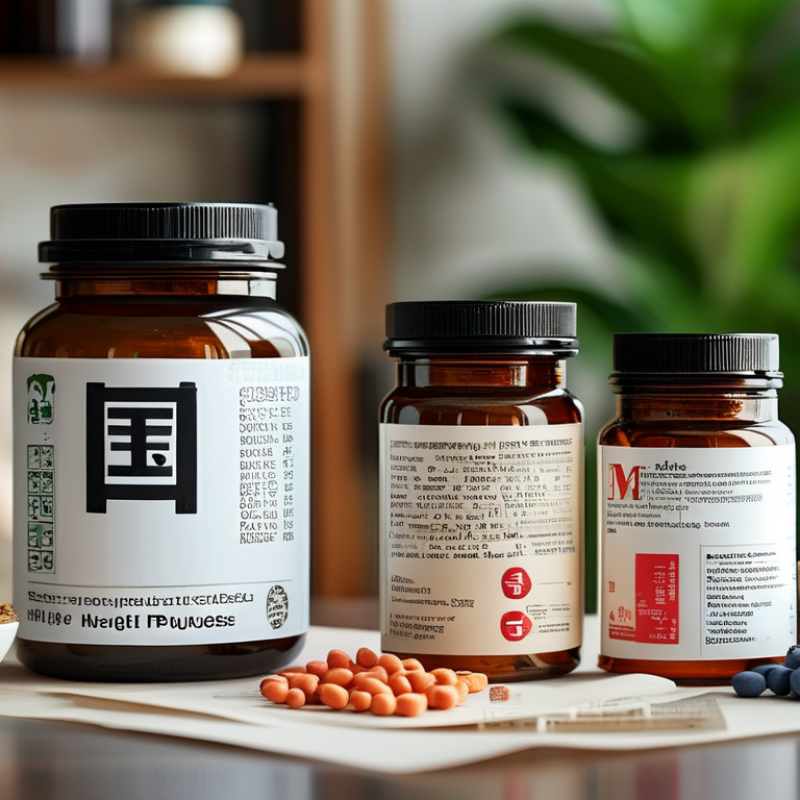
Customized nutrition supplements are formulas adjusted to a person’s nutritional needs, lifestyle, and preferred delivery format. They may vary in nutrient combinations, serving sizes, flavors, or capsule and powder formats. The process can use age, diet, exercise habits, health goals, and professionally reviewed test results. It is more than printing a name on a bottle. Grand View Research estimated the global personalized nutrition market at about USD 14.8 billion in 2023, with continued growth expected through 2030. Demand is rising, but popularity alone does not prove effectiveness.
A responsible supplier should connect customization with evidence. Each ingredient needs a clear purpose, suitable dosage, and documented quality testing. Manufacturing should follow recognized good manufacturing practices, with identity, purity, strength, and contaminant checks recorded for every batch. The 2023 Consumer Survey by the Council for Responsible Nutrition reported that 74% of U.S. adults use dietary supplements. That figure shows broad acceptance, not universal suitability. A formula designed from incomplete information may still miss allergies, medication interactions, or excessive nutrient intake.
Good customization also requires review after use. Changes in diet, activity, or medical advice can make an old formula unsuitable. Independent laboratory certificates, stability data, traceable raw materials, and transparent labeling help buyers evaluate reliability. Yet no questionnaire can replace qualified professional judgment. That limitation deserves attention. A careful supplier should explain uncertainty, not promise perfect results.
China Best Customized Nutrition Supplements Supplier? What Are Customized Nutrition Supplements?
Customized nutrition supplements are products formulated around individual factors such as age, lifestyle, dietary habits, health goals, and nutrient needs. The chart shows dietary supplement use among U.S. adults by age group, highlighting why age-based and needs-based personalization can be relevant when designing supplement solutions.
Source: U.S. National Center for Health Statistics, National Health and Nutrition Examination Survey, 2017–March 2020.
Why Choose China for Customized Supplement Manufacturing?
China Best Customized Nutrition Supplements Supplier?
Why Choose China for Customized Supplement Manufacturing?
China offers a practical combination of manufacturing experience, ingredient access, and flexible production capacity. Many facilities can develop capsules, tablets, powders, and liquid formulas under one supply network. This helps reduce delays between formulation, packaging, and shipment. It also supports smaller test orders before larger production runs.
A reliable supplier should provide GMP-based procedures, batch records, ingredient specifications, and independent laboratory testing. Ask for certificates of analysis, stability data, allergen controls, and clear traceability documents. Experienced manufacturers can adjust flavor, dosage form, packaging size, and serving instructions. However, customization is not automatically better. A complex formula may increase testing costs and create stability problems. That trade-off deserves careful review.
Tips: Request a sample batch first. Check raw material origin. Confirm production lead times. Review export and labeling requirements for your target market. Speak with the technical team, not only the sales representative. A low quotation can hide weaker testing or limited quality control. Factory visits or live video audits may reveal storage conditions, cleaning practices, and actual equipment. China can be a strong manufacturing choice, but supplier selection requires evidence, patience, and a willingness to question attractive promises.
How the Supplement Customization Process Works
China Best Customized Nutrition Supplements Supplier?
How the Supplement Customization Process Works
Customized supplement production begins with a clear product brief. Define the target user, serving size, format, flavor, and intended use. A qualified supplier then reviews ingredient evidence, stability, dosage limits, and manufacturing feasibility. This step prevents attractive ideas from becoming weak formulas.
The global dietary supplements market reached about 177.5 billion dollars in 2023, according to Grand View Research. The Council for Responsible Nutrition reported that 74% of American adults used supplements in 2023. Demand is strong, but trust depends on control. Formulators should assess ingredient identity, supplier documentation, allergen risks, and possible interactions. The process usually includes formula design, laboratory testing, pilot production, packaging review, and batch release. Independent testing can verify potency, heavy metals, microbes, and contaminants. Good manufacturing practices remain essential, especially for export markets.
Tips: Ask for certificates of analysis, stability data, and production records. Confirm whether testing covers the finished product, not only raw materials. Request a small pilot batch before scaling. Check label claims with qualified regulatory professionals. A low price can hide weak verification. That matters.
One practical weakness deserves attention: customization may encourage excessive ingredients. More components do not automatically create better nutrition. Review the formula with a dietitian or qualified scientist, then simplify where evidence is limited.
How to Evaluate a Customized Supplement Supplier
China Best Customized Nutrition Supplements Supplier?
How to Evaluate a Customized Supplement Supplier
Choosing a customized nutrition supplement supplier requires more than comparing prices. A polished website proves little. Evidence matters. Request the factory address, manufacturing scope, and recent third-party audit records. Confirm whether production follows recognized quality systems and applicable food-supplement regulations in your target market.
Ask for a complete development pathway. Can the technical team review your ingredient list, dosage, allergens, and intended users? Request representative samples, specifications, and certificates of analysis for raw materials and finished batches. Testing should cover identity, purity, microbes, heavy metals, and other risks linked to the formula. Stability data also matters. A product that looks fine after two weeks may change during shipping or storage.
Traceability should be practical, not decorative. Ask how one batch can be linked to suppliers, operators, test results, and packaging records. Check minimum order quantities, lead times, complaint handling, and recall procedures. Clear answers are valuable. So are uncomfortable answers. Do not accept vague promises about “premium quality.” Ask who approves deviations and what happens when a test fails. Review label support carefully, because claims can create regulatory problems across different countries. A supplier may be experienced yet still unsuitable for your product category. Details reveal discipline.
What Quality, Compliance, and Delivery Standards Matter?
A reliable customized nutrition supplement supplier must prove quality before discussing price. Grand View Research estimated the global dietary supplements market at about USD 177.5 billion in 2023. That growth increases pressure on suppliers, but market size does not prove product quality. Ask for batch-specific certificates of analysis, raw-material identity testing, microbial limits, heavy-metal results, and stability data. Testing should match the finished formula, not only the incoming ingredients. Small details matter.
Compliance requires documented control. FDA 21 CFR Part 111 sets current good manufacturing practice requirements for dietary supplements in the United States. WHO Technical Report Series No. 986 also emphasizes validated processes, traceability, sanitation, and deviation control. A capable factory should show controlled master formulas, approved suppliers, calibrated equipment, and recall procedures. Third-party certification can help, but a certificate alone is not evidence. I have seen audits focus on paperwork while practical line controls received less attention. That gap deserves scrutiny.
Delivery standards should be measurable. The 2024 Reshoring Institute supply-chain research highlights resilience, visibility, and supplier diversification as major procurement priorities. Request production lead times, inspection points, packaging specifications, and a written response plan for delays. Confirm whether samples, bulk orders, and repeat batches follow the same testing rules. Track on-time delivery, batch consistency, and complaint closure. Promises are easy. Records are harder. A supplier that communicates early, even with an uncomfortable update, is usually safer than one offering perfect schedules without evidence.