What Are the Top Types of Sports Supplements in 2026?

Sports supplements in 2026 range from everyday protein powders to products designed for specific training demands. The most discussed types include protein, creatine monohydrate, caffeine, carbohydrate and electrolyte products, and beta-alanine. Their benefits differ. A tub of protein powder may help someone meet daily protein needs, while an electrolyte drink may be useful during a long, hot training session. Neither is essential for every athlete.

Individual needs matter. “Women are not small men,” says Dr. Stacy T. Sims, an exercise physiologist and nutrition scientist. Her widely known phrase is a reminder that research and product advice should account for differences between people. It is not a reason to assume any supplement suits a particular person. Training load, diet, health, and personal tolerance all affect the decision. Even caffeine, which has evidence for performance benefits, can disrupt sleep or cause unwanted effects in some users.

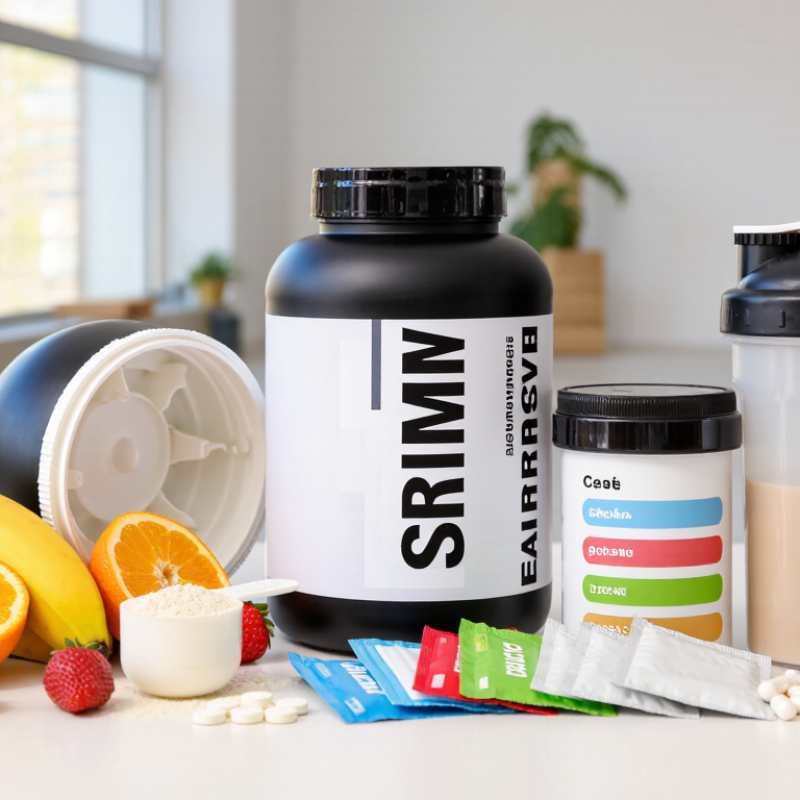
A useful guide should separate evidence-backed options from marketing claims, and explain who may benefit, when, and why. Labels deserve a close look. Serving sizes, ingredient amounts, and added stimulants can be easy to miss on a crowded tub or sachet. Product quality also matters, especially for competitive athletes; independent testing can help reduce uncertainty, though it cannot guarantee a result. Rankings can oversimplify. The best choice may be no supplement at all, or simply a more practical way to meet nutrition needs through food.
What Are the Top Types of Sports Supplements in 2026?

What Sports Supplements Are and How They Are Classified

Sports supplements are foods or concentrated nutrients used to support training, recovery, or a specific dietary need. They come as powders, drinks, gels, tablets, and ready-to-eat snacks. The format does not determine whether a product is useful. Its ingredients, dose, and fit with an athlete’s routine matter more.

One practical classification groups supplements by purpose. Protein products help people meet daily protein needs when ordinary meals are inconvenient. Carbohydrate drinks and gels provide quick fuel during prolonged exercise, while electrolyte mixes replace some minerals lost in sweat. Creatine is used to support repeated, high-intensity efforts. Caffeine-containing products may affect alertness, but sensitivity varies. That distinction matters. Vitamins and minerals are usually most relevant when intake is low or a deficiency is identified, not as automatic performance boosters.

Another approach sorts products by evidence and risk. Some uses are well studied for particular sports and doses; others rest on limited research or broad promises. Labels can also hide practical issues, such as large serving sizes or ingredients that do not suit a person’s health needs. I would not treat a supplement list as a training plan. Food, sleep, and consistent practice still do much of the work. Athletes should check ingredients, follow tested-sport guidance, and discuss relevant products with a qualified health professional, especially when taking medication or managing a medical condition.
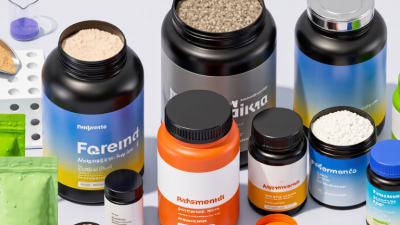
Protein Supplements for Muscle Repair and Growth

Protein supplements can make daily protein intake easier when meals fall short, especially during periods of regular strength training. They provide building blocks for muscle repair and growth, but they do not replace training, sleep, or balanced meals. A scoop stirred into a shaker can be practical after a gym session or during a rushed workday. Convenience is the main advantage.

Whey protein is a complete source and is often used after exercise; people who avoid dairy can choose soy or blended plant proteins. Check the serving size and ingredient list, since added sugars and flavorings vary. The useful amount depends on body size, activity, and what you already eat. Many adults spread protein across meals rather than relying on one large shake. Timing is flexible. A post-workout drink may help when a meal is delayed, but it is not a magic window. Honestly, powders can feel easier than planning lunch, and that habit is worth questioning. People with kidney disease, allergies, or other medical concerns should ask a qualified health professional before changing their intake.

Creatine and Other Supplements for Strength and Power

For strength and power, creatine monohydrate has some of the strongest research support among sports supplements. It helps muscles replenish energy during repeated, intense efforts, such as heavy squats or short sprints. Many adults use three to five grams daily, though individual needs can vary. A small increase in body weight may occur as muscles retain more water.

Creatine is not a shortcut. Training, adequate food, and sleep still do most of the work. The frustrating part? Results can be subtle, and progress may come from several habits at once. Keep a simple training log instead of judging a supplement by one workout. Choose products with independent quality testing, and ask a qualified health professional before use if you have a medical condition or take medication.

Protein powder can help when meals do not provide enough protein, but ordinary foods work too. A shake after training is convenient; it is not a special requirement. Caffeine may improve alertness and effort for some people, yet it can disrupt sleep or cause jitters. Start cautiously, avoid late-day use, and pay attention to how your body responds. Even well-studied supplements do not work equally for everyone.

What Are the Top Types of Sports Supplements in 2026? — Creatine and Other Supplements for Strength and Power

Supplement Type Main Use Evidence for Performance Common Evidence-Based Use Important Considerations
Creatine monohydrate Repeated high-intensity efforts, strength training, and gains in lean mass when combined with resistance training. Strong for improving repeated-bout exercise capacity and supporting strength-training adaptations. Typically 3–5 g daily. An optional loading phase uses about 20 g daily, divided into smaller doses, for 5–7 days, followed by a maintenance dose. Daily use matters more than precise timing. Initial scale-weight gain can occur, often from increased muscle water. People with kidney disease or other medical concerns should seek clinical advice.
Caffeine Alertness, perceived effort, and performance in some strength, power, and endurance activities. Strong overall, although effects vary by person, activity, dose, and tolerance. Research commonly examines 1–3 mg/kg or 3–6 mg/kg taken about 30–60 minutes before exercise; lower doses may be sufficient. May cause jitters, anxiety, stomach upset, or disrupted sleep. Count caffeine from all sources and avoid doses that affect sleep or health.
Protein supplements Conveniently helping meet daily protein needs that support muscle repair and training adaptations. Strong for adequate protein intake alongside resistance training; a supplement is optional when food provides enough. A common serving provides about 20–40 g of protein. Many exercising adults can aim for roughly 1.4–2.0 g/kg of body weight per day from food and supplements combined. Choose according to dietary needs and tolerance. Total daily intake and a balanced diet matter more than a specific powder or precise post-workout timing.
Beta-alanine Supporting repeated or sustained high-intensity efforts, particularly efforts lasting roughly 1–4 minutes. Moderate; benefits are most relevant to specific high-intensity exercise, not every strength or power task. Studies commonly use 4–6 g daily for at least 2–4 weeks, divided into smaller doses. Temporary tingling of the skin (paresthesia) is a common dose-related effect; smaller divided doses can reduce it. It is not an immediate pre-workout substitute.
Dietary nitrate Potentially supporting exercise efficiency and some high-intensity or intermittent activities. Mixed to moderate; responses depend on the activity and individual, and results are not consistently seen in strength and power events. Research often examines about 5–9 mmol of nitrate taken around 2–3 hours before exercise. Nitrate content varies substantially in foods and products. Some medications and health conditions may make nitrate use inappropriate; ask a healthcare professional if unsure.
Sodium bicarbonate Buffering acidity during repeated, intense efforts, especially certain high-intensity bouts lasting around 1–10 minutes. Moderate for selected high-intensity activities; usefulness is event-specific. Research commonly uses 0.2–0.3 g/kg before exercise, with timing and smaller divided doses adjusted to improve tolerance. Gastrointestinal discomfort is common. The sodium load can be substantial, so it may be unsuitable for people who need to limit sodium or have relevant medical conditions.
Carbohydrate and electrolyte drinks Fuel and fluid replacement during prolonged or demanding training, especially when sessions last longer than about an hour. Strong for fueling prolonged exercise; less necessary for short sessions when normal meals and hydration are adequate. For prolonged exercise, 30–60 g of carbohydrate per hour is commonly used; fluid and sodium needs depend on duration, heat, and individual sweat losses. Needs vary with the session and environment. These drinks are not usually required for brief workouts and should complement, not replace, a suitable overall diet.

Note: Supplements are optional and work best alongside appropriate training, adequate food, hydration, and sleep. Individual responses vary. For tested sport, choose products independently certified for sport where available, and consult a qualified healthcare professional about medical conditions, medications, or use by minors.

Pre-Workout and Endurance Supplements for Training

Pre-workout supplements are most useful when they solve a specific training problem, not when they promise a dramatic feeling. The International Society of Sports Nutrition’s 2021 position stand reports that caffeine can improve exercise performance, with 3–6 milligrams per kilogram commonly studied about 60 minutes before activity. More is not automatically better. For a 70-kilogram athlete, the lower end is about 210 milligrams, but sensitivity, sleep, and total daily intake matter. A jittery warm-up is not a performance plan.

Endurance training often calls for fuel as well as focus. The Academy of Nutrition and Dietetics, Dietitians of Canada, and the American College of Sports Medicine recommend roughly 30–60 grams of carbohydrate per hour during 1–2.5 hours of sustained exercise. That might mean a measured drink or chew during a long ride, rather than relying on a pre-workout serving alone. Practice the amount in training. Stomachs can be stubborn.

Electrolyte products may be useful during prolonged, hot, or high-sweat sessions, but needs vary with pace, weather, and individual sweat losses. Read the serving size and check for overlapping caffeine sources. A simple training log can connect intake with energy, stomach comfort, and sleep. It is not perfect evidence, but it is more informative than guessing from a single hard session.

Hydration, Electrolyte, and Recovery Supplements

Hydration, Electrolyte, and Recovery Supplements

Hydration products can help replace fluid and sodium lost during long, hot, or high-intensity training. But more electrolytes are not automatically better. Sweat losses vary widely, so a one-size-fits-all drink may not suit every athlete. The National Athletic Trainers’ Association’s 2017 position statement recommends replacing about 100–150% of exercise-related body-mass loss over several hours. That equals roughly 1.25–1.5 liters per kilogram lost. Weighing before and after a session can offer a practical estimate, though it is not a perfect measure.

Recovery supplements often focus on protein, which supports muscle repair when paired with adequate food and rest. The International Society of Sports Nutrition’s 2017 position stand suggests 1.4–2.0 grams of protein per kilogram of body weight daily for exercising people. Needs depend on training and diet. A shake is convenient, not essential. Timing gets attention, perhaps too much; daily intake and consistent meals matter as well.

Tips: For ordinary short workouts, water and regular meals may be enough. During prolonged heat or heavy sweating, consider fluids with sodium. Check the serving size and ingredients, and test products during training—not on race day. Small details matter. Recovery is individual.

What Are the Top Types of Sports Supplements in 2026?

Hydration, electrolyte, and recovery supplements: examples of evidence-based intake ranges

How to read this chart: The bars show example gram ranges, not a ranking of popularity. The recommended timing differs by supplement: carbohydrate during prolonged exercise, protein after exercise, and creatine as a daily intake. Electrolyte products provide sodium; individual needs vary with exercise duration and sweat losses.

Ranges are general guidance, not individualized advice. Based on guidance from the American College of Sports Medicine and position stands from the International Society of Sports Nutrition.