Finding a dependable supplier for food dietary supplements takes more than comparing prices or browsing product catalogs. Buyers need partners who can explain where ingredients come from, how batches are tested, and what quality controls apply throughout production. The strongest suppliers provide clear documentation and answer specific questions without hiding behind broad claims. A polished website is not proof.
This guide introduces ten suppliers serving markets around the world, including companies focused on ingredients, finished products, or contract manufacturing. Their capabilities, product ranges, and service models may differ considerably. When comparing them, look for traceability records, relevant quality certifications, testing procedures, and realistic information about production capacity and lead times. Ask for sample documents, not just promises. Confirm that the supplier can support your formulation and packaging needs. Small details matter: a batch number on a certificate, a clearly stated allergen control, or a timely response can reveal how carefully a company works. No supplier is perfect, and a glossy brochure proves very little. This shortlist is a starting point, not a substitute for independent checks. Requirements vary by market and product, so verify current documentation and assess each partner against your own quality standards before making a decision.

Food dietary supplements are concentrated sources of nutrients or other substances intended to complement an ordinary diet. They commonly come as tablets, capsules, powders, or measured liquid servings. They are not simply conventional foods in smaller packages. Their exact definition and permitted claims vary across markets, so suppliers must understand local requirements.
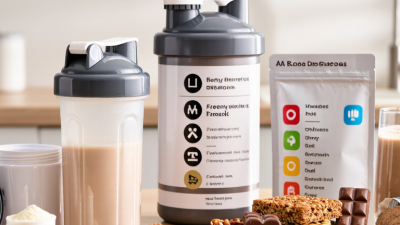
The category sounds neat. It isn’t. Market estimates often group different products together. Grand View Research valued the global dietary supplements market at about US$177.5 billion in 2023 and projected 9.1% annual growth from 2024 to 2030. These are commercial estimates, not audited sales totals. The report’s figures show scale, but category boundaries can affect comparisons. Growth reflects varied consumer interests, including nutrition, healthy aging, and convenient daily formats. A powder scoop beside a breakfast bowl makes the category tangible. Yet demand alone does not establish product quality. Buyers should examine ingredient specifications, testing records, and clear dose information. Small details matter.

Choosing a worldwide supplement supplier takes more than comparing unit prices. Review its quality system, manufacturing controls, and traceability before discussing volume. Ask for current certificates, product specifications, and batch-level test reports. Check whether qualified laboratories verify identity, potency, contaminants, and microbiological quality. Reports should match the exact product and lot, not a generic sample. Small detail, big difference.
Confirm that the supplier follows relevant food-safety and supplement requirements in each intended market. Requirements vary by country, so request written evidence and have local experts review it. Visit the facility when practical, or arrange a qualified third-party audit. Look for clean material flows, controlled storage, calibrated equipment, and documented corrective actions. Ask how raw ingredients are qualified and how changes are communicated. A neat file is not the whole story.
Compare lead times, minimum order quantities, packaging options, and transit controls for heat or humidity. Request stability data supporting the proposed shelf life, plus a clear complaint and recall process. Test communication with a practical question; vague answers before a contract rarely improve afterward. Price matters, but dependable records and transparent problem-solving matter too. Even a thorough checklist has limits.
Leading suppliers of food dietary supplements combine dependable manufacturing with clear, verifiable quality controls. They can explain how ingredients are received, stored, tested, and tracked through production. Ask for current specifications, certificates of analysis, and details about independent laboratory testing. A polished brochure is not enough.
Reliable partners maintain traceability from raw materials to finished batches. Their records should identify ingredient lots, production dates, and testing results. They should also explain how they manage moisture, temperature, and packaging, since these details can affect product stability. Clear answers matter.
Worldwide supply adds practical challenges. Shipping delays, different documentation requirements, and changing ingredient availability can disrupt a launch. Capable suppliers communicate risks early and provide realistic lead times rather than easy promises. Check whether their quality systems and documents fit the intended market, and verify important claims directly. Small gaps count.
Price still matters, but the lowest quote may leave questions about testing, service, or supply continuity. Some suppliers communicate well before an order, then become less responsive during production. That deserves scrutiny. A careful comparison should weigh documented quality, communication, flexibility, and delivery performance together—not rely on a single impressive claim.
Comparing the 10 leading worldwide food dietary supplement suppliers means looking beyond polished product catalogues. The Council for Responsible Nutrition’s 2023 Consumer Survey reported that 74% of U.S. adults used dietary supplements, while 55% were regular users. That is significant demand. It also makes consistent product quality and traceability essential.
Compare product range alongside practical capabilities: dosage forms, ingredient sourcing, minimum order quantities, production capacity, and lead times. Ask whether a supplier can provide batch-specific certificates of analysis covering identity, potency, and relevant contaminants. Check which laboratory performed the tests and whether methods are documented. Details matter. A broad catalogue does not prove reliable production, and low pricing may hide limitations in testing or customization.
Review certifications such as GMP or food-safety management standards, but verify the issuing body, manufacturing site, scope, and current validity. A certificate is not a guarantee for every product or batch. I would also request audit information, stability data, and clear procedures for handling deviations. This comparison can feel tedious. It is easy to overvalue a familiar certificate and overlook a weak testing record; supplier claims deserve specific, current evidence.
Certification and quality-framework references commonly used in supplier due diligence
Bars count the example standards and programs listed for each category: food safety management (ISO 22000, FSSC 22000, BRCGS Food Safety, SQF); supplement GMP and verification (NSF/ANSI 455-2, USP Verified); organic frameworks (USDA National Organic Program, EU Organic Regulation); quality management (ISO 9001); and laboratory competence (ISO/IEC 17025). These are reference counts, not supplier ratings or claims that any supplier holds a certification. Verify each supplier’s current certificates, scope, and issuing body directly.
Choosing a global food supplement supplier starts with evidence, not a polished brochure. Grand View Research estimated the global dietary supplements market at US$177.5 billion in 2023, reflecting the scale and complexity of the supply chain. In its 2024 consumer survey, the Council for Responsible Nutrition reported that 75% of U.S. adults use dietary supplements. These figures signal demand, but they do not prove a supplier can deliver consistent quality.
Ask for current, lot-specific certificates of analysis and verify identity, potency, and contaminant testing through qualified laboratories. Review the supplier’s quality system, audit history, allergen controls, and traceability records. Check that certificates are current and cover the actual facility and product. Paperwork can look tidy while a pallet has spent hours in heat; ask how transport conditions are monitored and deviations handled. Small details matter. Confirm lead times, minimum orders, backup production capacity, and the supplier’s experience shipping to your target markets. Requirements differ by destination, so have qualified regulatory staff check product documentation and labeling before orders are placed. I would not choose on price alone; still, comparing landed costs can expose hidden freight, testing, or storage charges. No supplier is risk-free, and that deserves honest attention.
| No. | Supplier Profile | Region | Common Capabilities to Assess | Regulatory Checks | Best Fit / Key Selection Factor |
|---|---|---|---|---|---|
| 1 | Dietary supplement contract manufacturers | United States | Capsules, tablets, powders, liquids, private-label production, and product development; capabilities vary by facility. | Verify compliance with FDA dietary supplement current good manufacturing practice requirements under 21 CFR Part 111. FDA facility registration is not an FDA product approval or endorsement. | Suitable for buyers targeting the U.S. market. Review audit results, batch records, testing plans, and recall procedures. |
| 2 | Natural health product manufacturers | Canada | Common offerings include vitamins, minerals, herbal products, and multiple dosage formats; confirm the individual site’s equipment and product scope. | Determine whether products are regulated as natural health products and check applicable site licensing, good manufacturing practice, and product-licensing requirements. | Consider for Canadian-market programs. Confirm that the supplier can provide documentation relevant to the product’s Canadian authorization. |
| 3 | Food supplement manufacturers | European Union | May support capsules, tablets, powders, and liquid supplements, with ingredient sourcing across multiple countries. | Check applicable national rules implementing Directive 2002/46/EC and food-hygiene requirements, including Regulation (EC) No 852/2004. Requirements can depend on the product and destination country. | Useful for access to EU markets. Assess country-specific ingredient, labeling, and notification requirements before committing. |
| 4 | Food supplement contract manufacturers | United Kingdom | Potential services include formulation support, packaging, and manufacture in common supplement formats; verify each service at the proposed site. | Check the food-supplement rules applicable in the relevant UK nation, food-business registration, hygiene controls, and labeling requirements. | Consider for UK-market supply. Confirm the supplier’s post-Brexit export documentation and ability to meet destination-market rules. |
| 5 | Large-scale nutraceutical and food manufacturers | China | Potential strengths include a broad ingredient and packaging supply base and multiple production formats; manufacturing standards and export experience differ by facility. | Check the applicable Chinese food-safety and production requirements. For health foods, verify the relevant registration or filing status; do not assume general food compliance covers every product category. | May suit buyers seeking broad sourcing options. Audit the exact manufacturing site and independently verify ingredient identity, contaminants, and export documentation. |
| 6 | Nutraceutical and health supplement manufacturers | India | May offer botanical, vitamin, mineral, and blended formulations; confirm raw-material traceability and the site’s product-specific expertise. | Check applicable FSSAI requirements, including the Food Safety and Standards (Health Supplements, Nutraceuticals, Food for Special Dietary Use, Food for Special Medical Purpose, and Prebiotic and Probiotic Food) Regulations, 2022, as amended. | Evaluate for botanical and multi-ingredient products. Request evidence for species identification, sourcing, and finished-product testing. |
| 7 | Health food and supplement manufacturers | Japan | May support a range of food and supplement formats, with experience shaped by Japan’s distinct functional-food categories. | Confirm the intended category and applicable rules. Foods for Specified Health Uses, Foods with Function Claims, and Foods with Nutrient Function Claims are distinct frameworks, not interchangeable supplier certifications. | Suitable when Japan is a target market. Confirm product-category eligibility, claims substantiation, and Japanese-language labeling support. |
| 8 | Food supplement and complementary medicine manufacturers | Australia | Capabilities may include common food supplement formats and complementary medicines; the regulatory pathway depends on product classification. | Determine whether the product is regulated as food or as a therapeutic good. TGA requirements apply to relevant therapeutic goods; food products are subject to applicable food standards and controls. | Consider for Australian-market supply. Verify classification before relying on a supplier’s claims about regulatory approval. |
| 9 | Food supplement manufacturers | Brazil | Potential formats include capsules, tablets, powders, and liquids; confirm local ingredient, packaging, and export capabilities. | Check current ANVISA requirements for food supplements, including applicable provisions of RDC 243/2018 and subsequent rules or amendments. | Evaluate for Brazilian-market programs. Confirm that permitted ingredients, claims, and labeling match current local requirements. |
| 10 | Health functional food manufacturers | South Korea | May provide products intended for the health functional food market, depending on the facility and product category. | Check the applicable Ministry of Food and Drug Safety (MFDS) framework for health functional foods, including product and ingredient requirements. | Consider for South Korean distribution. Verify the approved product category, permitted functional ingredients, and claim requirements. |
Please visit our Flavor List for inspiration and contact Custom Flavors to discuss your specific flavor needs.
© 2025 Custom Flavors. All Rights Reserved.

"*" indicates required fields