China’s functional foods and dietary supplements sector is moving from contract manufacturing toward evidence-led, export-ready production. Grand View Research estimated the global functional foods market at about USD 206 billion in 2023. Its report projects continued growth through 2030, supported by demand for digestive, immune, and healthy-aging products. The same research firm valued the global dietary supplements market at roughly USD 177 billion in 2023. These figures are useful, but definitions differ across reports. The picture is not perfectly clean.
Clare Hasler, a respected functional-foods researcher and former director of the University of Illinois Functional Foods for Health Program, described them as “foods that provide health benefits beyond basic nutrition.” Her statement remains a practical benchmark. A credible Chinese supplier should connect each claim with a finished-product specification, testing record, and traceable ingredient source. Look for documented GMP systems, HACCP or ISO 22000 certification, batch-level certificates of analysis, and transparent allergen controls. A polished factory tour is not enough.
This guide examines leading Chinese suppliers through those measurable signals. It considers manufacturing experience, formulation capability, private-label support, export documentation, and independent quality testing. Nutrition Business Journal and Innova Market Insights also show how consumers increasingly expect convenient products with clearer health positioning. Yet market demand can encourage exaggerated claims. That risk deserves attention. The strongest supplier is not always the largest one. It is the partner that can explain dosage, stability, evidence, and limitations without hiding uncertainty. Supplier rankings should therefore be treated as a starting point, not a final purchasing decision.
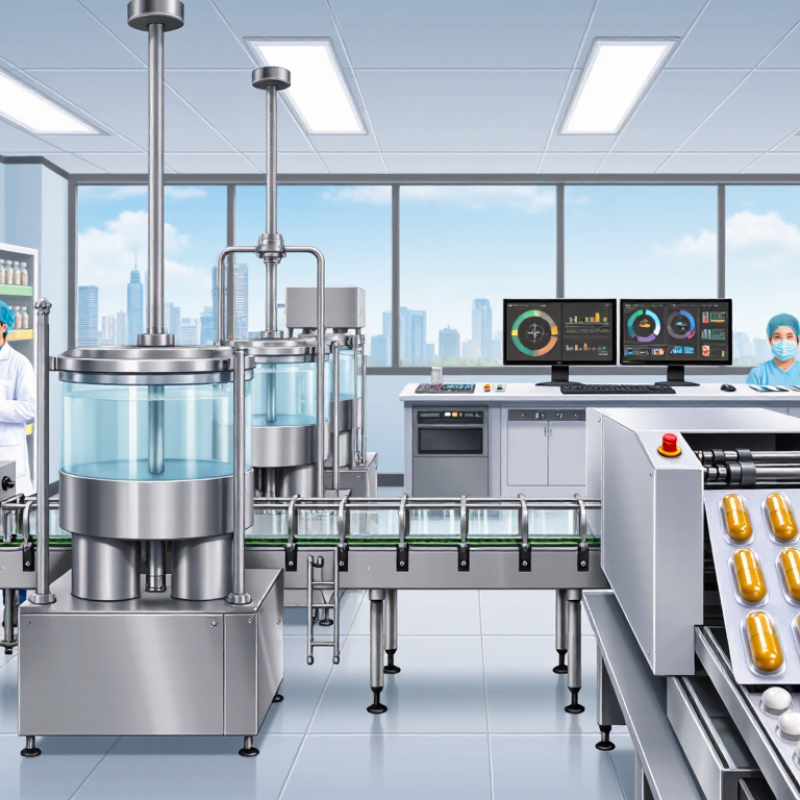
China’s functional foods and dietary supplements are related, but they are not identical. Functional foods are ordinary foods with added or naturally occurring benefits, such as fiber-rich cereal, probiotic yogurt, or calcium-fortified milk. Dietary supplements provide concentrated nutrients in capsules, tablets, powders, or liquids. The difference often appears on a kitchen shelf: one is eaten as food, while the other is measured by serving size.
China’s regulatory language matters. Health foods making approved claims require registration or filing through the State Administration for Market Regulation. Products marketed only for nutrition support still need compliant ingredients, labeling, and safety evidence. Euromonitor International’s Health and Wellness in China 2024 data shows strong consumer interest in immunity, gut health, active aging, and weight management. Mintel’s China consumer research also identifies clearer labels and scientific proof as important purchase factors. Growth is visible.
Trust is harder.
When comparing suppliers, buyers should examine batch testing, raw-material traceability, contaminant controls, and stability results. A clean factory photograph proves little. Look for documented testing methods and independent laboratory records. China’s 2022 National Nutrition and Health Survey materials continue to highlight uneven nutrient intake across age and regional groups, so one formula cannot fit everyone. That point is sometimes ignored. Supplier claims should be checked against serving size, evidence quality, and China’s permitted wording. Even impressive market data may hide weak product-level proof.

China Top Functional Foods and Dietary Supplement Suppliers?
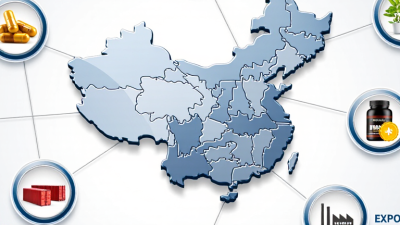
China’s functional food industry is organized as a layered supply network, not a single supplier group. Ingredient producers provide botanical extracts, vitamins, minerals, probiotics, and specialty oils. Contract manufacturers then handle blending, encapsulation, packaging, and quality testing. Separate distributors serve pharmacies, hospitals, supermarkets, online marketplaces, and cross-border channels. The structure is fragmented.
China’s National Bureau of Statistics reported 310.31 million people aged 60 or above in 2024, representing 22.0% of the population. This demographic supports demand for products linked to bone health, immunity, digestion, and healthy ageing. Euromonitor International’s Health and Wellness in China 2024 also separates the market into vitamins, dietary supplements, fortified foods, functional beverages, and sports nutrition. Each category uses different suppliers and compliance pathways.
A serious buyer should check raw-material traceability, batch testing, stability records, and production standards before comparing prices. China’s regulatory system distinguishes registered health foods from products using simpler filing procedures. That difference affects claims, documentation, and launch timing. Supplier lists can look impressive, yet capacity may depend on one factory or one ingredient source. The map is not clean. Some market reports also combine supplements with ordinary nutrition products, which can inflate market estimates. A careful audit should therefore verify product classification, testing scope, production capacity, and export documentation directly.
China’s functional food and dietary supplement market includes several supplier types, each serving a different buyer need. Ingredient manufacturers often specialize in botanical extracts, vitamins, minerals, amino acids, probiotics, or enzymes. Finished-product factories usually provide capsules, tablets, powders, gummies, and ready-to-drink formulas. Some suppliers focus on OEM and ODM services, helping buyers adjust flavor, dosage, packaging, and labeling for specific markets.
Product specialty matters more than a polished catalog. A botanical supplier should explain extraction methods, active-marker testing, and raw material origin. Probiotic manufacturers should provide strain identification, stability data, and storage guidance. For vitamins and minerals, check assay results, allergen controls, and batch consistency. In my experience, a clear certificate of analysis is useful, but it is not enough alone. Independent testing may still reveal gaps. Supplier audits, production records, and traceability checks add practical confidence.
Tips: Ask for recent test reports, sample batches, and factory certifications. Confirm whether the quoted specification matches the final product. Compare stability data under realistic shipping temperatures. Visit the facility when possible. Small details matter, such as sealed drums, clean sampling areas, and readable batch codes. One weakness remains common: buyers sometimes select low prices before checking technical support. That choice can create reformulation problems later. Supplier evaluation should balance quality systems, product expertise, communication speed, and documented compliance with the destination market.
China’s functional-food supply base is typically segmented into ingredient manufacturers, OEM/ODM factories, finished-product specialists, botanical and traditional Chinese medicine suppliers, sports-nutrition producers, and probiotic specialists. The chart shows the number of representative specialty areas commonly covered by each supplier type; it is a category-coverage view rather than a company ranking or market-share estimate.
China’s functional food and dietary supplement sector offers broad manufacturing capability, but supplier selection requires evidence, not polished presentations. I review business licenses, production scopes, facility ownership, and export experience. Certificates matter. Their issuing bodies and validity dates must be checked independently. A supplier should explain how raw materials are approved, tested, stored, and traced.
Quality should be visible in daily records. I request recent certificates of analysis, batch specifications, laboratory methods, and deviation reports. Testing should cover identity, microbial limits, heavy metals, allergens, and other relevant contaminants. An onsite or remote audit can reveal practical details, such as labeled quarantine areas, calibrated scales, clean sampling tools, and temperature logs. Small details often expose weak systems.
Use written specifications, change-control clauses, recall procedures, and retention-sample requirements. Independent testing is wise for early shipments.
It is not an insult.
It is risk control.
A supplier may provide excellent samples yet struggle with consistent production. I have seen how rushed communication hides this gap. My own evaluations are not flawless either; factory audits can miss problems between visits. Regular batch reviews and clear corrective actions make the relationship more reliable. Reliable evidence beats confident promises.
Sourcing and Export Considerations for International Buyers
International buyers should assess suppliers beyond product catalogs and attractive quotations. Request manufacturing licenses, recent laboratory reports, ingredient specifications, and batch-level traceability records. Confirm whether the facility follows recognized quality systems, such as GMP or HACCP. These documents need independent verification. A polished certificate alone proves little.
Export planning also requires careful communication. Confirm minimum order quantities, production lead times, packaging formats, labeling languages, and shipping responsibilities before signing. Product formulas may require different approvals in each destination market. Ask for stability data, allergen statements, contaminant testing, and clear storage instructions. Do not assume a product accepted in one country can enter another. That assumption can become expensive.
Tips: Start with samples, then arrange third-party testing before placing a large order. Use a written specification sheet. Include acceptable ingredient ranges, packaging details, inspection standards, and correction procedures. Keep communication records. A video factory tour helps, but it is not a full audit. No checklist catches every risk. Buyers should also review payment terms and recall support. Some suppliers answer quickly, yet provide incomplete technical files. That is a warning, not a minor delay. A smaller trial order may reduce exposure, although it can increase unit costs. Sourcing decisions are rarely perfect. Careful verification still makes them more defensible.
Please visit our Flavor List for inspiration and contact Custom Flavors to discuss your specific flavor needs.
© 2025 Custom Flavors. All Rights Reserved.

"*" indicates required fields