China has become a major sourcing hub for dietary supplements, serving brands across retail, healthcare, sports nutrition, and wellness markets. However, finding a reliable supplier requires more than comparing factory photos or website claims. Quality can vary widely.
This guide introduces ten Chinese dietary supplements suppliers worth evaluating for manufacturing capability, product development, certifications, testing systems, and export experience. It considers practical details, such as minimum order quantities, private-label flexibility, packaging options, and communication during production. A dependable supplier should provide clear ingredient specifications, batch records, laboratory reports, and traceability from raw materials to finished products. Independent testing remains important, even when a supplier presents impressive certificates.
Experience matters here. A factory may produce capsules efficiently but struggle with gummies, powders, or complex botanical formulas. Another supplier may offer strong research support but require larger orders than a growing brand can manage. These differences deserve careful attention.
No supplier should be selected from a ranking alone. Regulatory requirements differ between markets, and certificates can change or expire. Buyers should verify current documentation, inspect facilities where possible, and request representative samples before signing contracts. That step is often overlooked.
This overview is designed as a practical starting point, not a final verdict. Some information may require direct confirmation with each manufacturer. That is reasonable. Transparent due diligence protects product quality, consumer safety, and long-term business relationships.
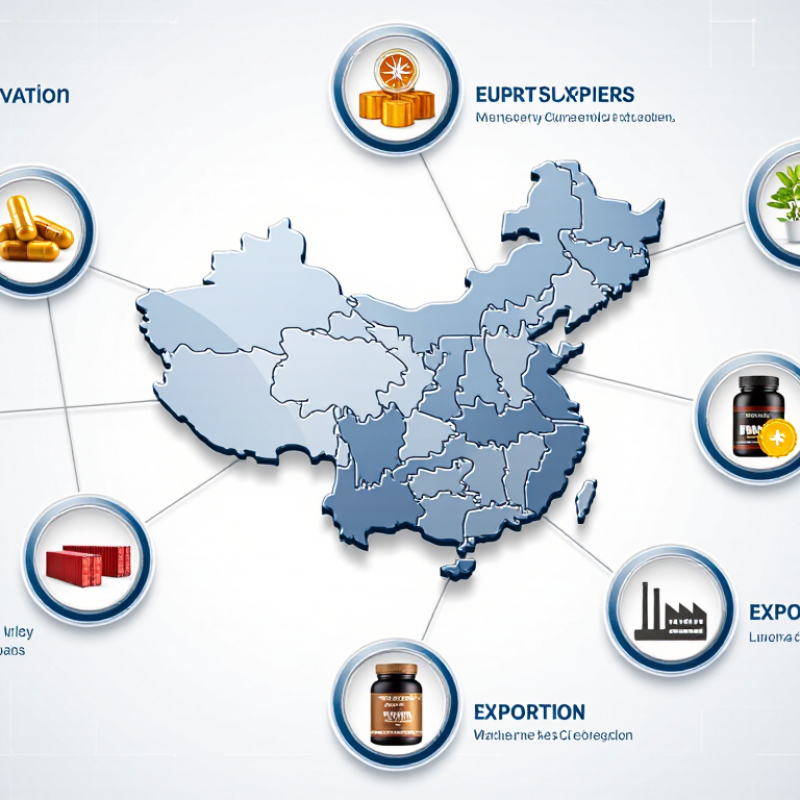
China’s dietary supplements industry is broad, export-oriented, and increasingly quality-driven. IMARC estimated the China market at about USD 47.8 billion in 2023, with continued growth expected through 2032. Grand View Research valued the global market at USD 177.5 billion in 2023. These figures are useful, but not perfectly comparable. Definitions differ across reports.
The supplier landscape includes ingredient producers, contract manufacturers, packaging specialists, and finished-product exporters. Many facilities offer tablets, capsules, powders, liquid formulas, and functional foods. Serious buyers should examine GMP systems, ISO 22000 certification, HACCP procedures, batch records, and independent laboratory testing. Traceability matters. A reliable supplier should provide raw-material specifications, contaminant screening, stability data, and clearly controlled production lots.
China’s strongest suppliers often combine large-scale manufacturing with flexible private-label development. However, factory size alone proves little. Audit results, complaint handling, sample consistency, and delivery records deserve equal attention. Suppliers serving overseas markets should also understand destination-country labeling and advertising requirements. This is where inexperienced sourcing teams can misjudge capability. A polished catalog may hide weak documentation. Buyers should compare at least ten qualified suppliers using the same technical checklist, while recognizing that published market data and supplier claims still require independent verification.
Choosing a dietary supplement supplier requires more than comparing prices. A reliable evaluation starts with manufacturing evidence, not polished website claims. Request current GMP certificates, facility addresses, production scopes, and recent third-party audit reports. Check whether each certificate covers the exact product category.
Ask for a complete quality package. This should include specifications, allergen statements, heavy metal limits, microbiological results, and a batch-specific certificate of analysis. Verify that the testing laboratory is independent and properly accredited. Review how samples are retained and how deviations are investigated. Small details matter. A clean warehouse, labeled pallets, and temperature logs can reveal daily discipline. My assessment would include a video call and, when practical, an on-site audit. Photos are useful, but they are not proof.
Strong suppliers explain raw-material traceability from approved source to finished batch. They should provide stability data, packaging controls, complaint procedures, and export documents for the destination market. Ask who releases each batch and whether quality staff can stop production without commercial pressure. That answer can be revealing. Price matters, but unusually low quotes may hide weaker testing or inconsistent materials. Compare three suppliers with the same checklist, then verify references carefully. No evaluation is perfect. Even experienced buyers can overlook a quiet change in formulation, packaging, or subcontracting.
Profiles of the Top 10 Dietary Supplements Suppliers in China
China’s dietary supplements sector is expanding, but supplier quality remains uneven. Grand View Research estimates the global dietary supplements market reached about US$177 billion in 2023. Its forecast also indicates strong growth through 2030. Market estimates differ, so buyers should verify every figure.
The top ten supplier profiles generally fall into distinct strengths. One specializes in botanical extracts, with traceable farming records and pesticide testing. Another focuses on capsules and tablets, using automated weight checks. A third produces gummies but needs closer sugar and stability review. Two suppliers serve sports nutrition, offering protein powders, amino acids, and batch testing. Another supports private-label packaging for smaller orders. One focuses on probiotics and refrigerated logistics. A further supplier provides minerals and vitamin premixes. The final two emphasize contract manufacturing, export documents, and flexible production lines.
Experience shows that attractive catalogs are not enough. Reliable suppliers should provide recent certificates, finished-product test reports, allergen controls, and complaint records. Independent laboratory verification adds confidence. ISO 22000 and HACCP systems are useful indicators, but certificates do not guarantee daily discipline. Mordor Intelligence and Euromonitor both identify rising demand for preventive health products in China, though their market values vary by definition. That difference deserves attention. A practical audit should inspect raw-material storage, metal detection, label control, and sample retention. Buyers should also confirm whether ingredients and claims meet the destination market’s rules. Some suppliers communicate well before payment, then respond slowly after production begins. That warning is easy to miss.
| Profile | Supplier Type | Main Product Categories | Common Dosage Forms | Typical Manufacturing Services | Quality and Compliance Documents | Typical Export Regions | Private-Label Capability | Best Suited For |
|---|---|---|---|---|---|---|---|---|
| 01 | Large-scale contract manufacturer | Vitamins, minerals, botanical extracts, amino acids and sports nutrition | Tablets, hard capsules, powders, sachets and softgels | Formulation development, pilot production, mass manufacturing, packaging and stability support | GMP documentation, HACCP plans, ISO-based quality systems, certificates of analysis and batch traceability | North America, Europe, Asia-Pacific | High | Established distributors and multi-market supplement brands |
| 02 | Botanical extract specialist | Tea extracts, fruit extracts, mushroom extracts, herbal powders and standardized plant ingredients | Powders, capsules, liquid concentrates and granules | Extraction, concentration, spray drying, standardization, blending and custom packing | Specification sheets, pesticide and heavy-metal testing, microbiological reports and certificates of analysis | Europe, North America, East Asia | Medium to high | Natural-product companies seeking botanical formulations |
| 03 | Sports nutrition manufacturer | Protein powders, amino acids, electrolyte blends, creatine products and pre-workout formulas | Powders, tubs, stick packs, capsules and ready-to-mix sachets | Dry blending, flavor development, filling, portion packaging and formula customization | GMP records, allergen controls, sports-nutrition testing, certificates of analysis and lot tracking | North America, Europe, Southeast Asia | High | Fitness retailers, online sellers and performance-nutrition distributors |
| 04 | Softgel and oil-based supplement producer | Fish oil, plant oils, fat-soluble vitamins, carotenoids and oil-based botanical formulas | Softgels, liquid-filled capsules, oral oils and emulsions | Oil blending, encapsulation, oxidation control, bottle filling and blister packaging | Peroxide-value testing, oxidation reports, identity testing, GMP documentation and batch certificates | Europe, North America, Australia | High | Companies requiring oil-based or fat-soluble products |
| 05 | Gummy supplement manufacturer | Vitamin gummies, mineral gummies, botanical gummies and functional confectionery | Pectin gummies, gelatin gummies, chewable pieces and individually wrapped units | Formula design, flavor matching, molding, coating, counting and retail packaging | GMP records, allergen declarations, microbiological testing, sugar-content specifications and certificates of analysis | North America, Europe, Middle East | High | Consumer brands, e-commerce businesses and children’s nutrition lines |
| 06 | Functional beverage and liquid-format supplier | Vitamin drinks, herbal beverages, collagen drinks, electrolyte liquids and concentrated shots | Ready-to-drink bottles, ampoules, sachets and liquid concentrates | Liquid blending, homogenization, pasteurization or sterilization, filling and shelf-life testing | Food-safety plans, microbiological testing, ingredient specifications, stability data and batch records | Asia-Pacific, Middle East, selected European markets | Medium to high | Drink distributors, convenience channels and wellness beverage companies |
| 07 | Traditional herbal nutrition manufacturer | Herbal blends, plant-based tonics, mushroom products and traditional wellness formulas | Granules, capsules, tablets, powders, teas and liquid extracts | Raw-material sourcing, decoction or extraction, granulation, blending and customized packing | Raw-material identification, pesticide testing, heavy-metal testing, microbial analysis and traceability records | East Asia, Southeast Asia, overseas wellness markets | Medium | Traditional-wellness distributors and natural-health retailers |
| 08 | Microencapsulation and specialty-ingredient supplier | Probiotics, enzymes, minerals, omega oils and heat- or moisture-sensitive ingredients | Microencapsulated powders, capsules, sachets and compressed tablets | Microencapsulation, controlled-release processing, premix development and compatibility testing | Potency testing, stability studies, viability testing for probiotics, certificates of analysis and technical dossiers | Europe, North America, Japan and South Korea | Medium to high | Technical buyers needing enhanced stability or controlled delivery |
| 09 | Small-batch flexible private-label factory | Basic vitamins, minerals, collagen, herbal blends and general wellness formulas | Capsules, tablets, powders, sachets and simple gummies | Stock-formula adaptation, label design support, small-batch production and fulfillment preparation | Certificates of analysis, ingredient specifications, microbial reports and standard batch documentation | Global e-commerce and regional distributors | High | Start-ups, test launches and businesses with moderate order volumes |
| 10 | Integrated ingredient-to-finished-product supplier | Minerals, vitamins, amino acids, botanical ingredients, functional blends and finished supplements | Tablets, capsules, powders, softgels, gummies and liquid formats | Ingredient sourcing, formulation, manufacturing, packaging, quality testing and export documentation | Supplier qualification records, GMP documentation, HACCP or food-safety plans, certificates of analysis and traceability systems | North America, Europe, Asia-Pacific, Middle East | High | Importers seeking a single source for ingredients and finished products |
The profiles are anonymized supplier categories based on commonly available manufacturing capabilities in China’s dietary-supplement industry. Actual certifications, minimum order quantities, product claims and export eligibility should be verified directly with each supplier.
Selecting China’s top dietary supplement suppliers requires more than factory photos or a low quotation. Grand View Research valued the global dietary supplements market at about US$177.5 billion in 2023. The market is forecast to grow through 2030. The 2024 CRN Consumer Survey also reported that 75% of U.S. adults used dietary supplements during the previous year. Demand is strong, but supplier quality remains uneven. A reliable shortlist should include audited GMP systems, ingredient identity testing, batch traceability, validated cleaning, and current certificates of analysis. ISO 22000, HACCP, and third-party GMP certificates matter only when their scope covers the actual production line.
During a factory review, inspect weighing rooms, quarantine areas, water systems, and retained-sample storage. Ask for recent test reports, not selected examples. Independent laboratories should verify microbes, heavy metals, pesticides, allergens, and active-marker levels.
For botanical ingredients, request Latin names, plant parts, extraction ratios, and origin records. Manufacturing capacity also needs proof. Review change-control logs, deviation reports, stability data, and minimum order quantities.
One uncomfortable truth remains: a clean audit cannot guarantee every future batch.
Tips: Confirm whether the supplier controls formulation, packaging, and final release internally. Check export experience for your destination market. Request label reviews, customs documents, shipping records, and product-specific regulatory files. Test a pilot batch before signing a large contract.
Certificates can expire. Documents can be incomplete. That is where careful buyers should slow down.
China remains a major manufacturing base for dietary supplements, but supplier choice requires more than a low quotation. Grand View Research estimated the global dietary supplements market at USD 177.5 billion in 2023. Its report also projects strong growth through 2030, increasing pressure on quality systems and supply capacity. In supplier audits, I look for documented controls, not attractive brochures.
Ask for batch-specific certificates of analysis, microbiological results, heavy-metal testing, and identity verification. USP quality guidance emphasizes ingredient identity, purity, strength, and composition. Those details should connect to real batch numbers.
Traceability matters. Check where botanical ingredients originate, how they are stored, and whether temperature records are available. Review stability data for the intended market and packaging format.
Euromonitor International identifies health and wellness as a continuing growth area, yet market demand does not excuse weak documentation. A video tour is useful, but insufficient.
I would also compare sample results with independent laboratory testing. Mistakes happen. Even experienced buyers can overlook changing suppliers, unclear allergen controls, or unrealistic lead times. Written specifications, change-control clauses, recall procedures, and transparent communication deserve careful review before any purchase agreement.
Please visit our Flavor List for inspiration and contact Custom Flavors to discuss your specific flavor needs.
© 2025 Custom Flavors. All Rights Reserved.

"*" indicates required fields