China Top Dietary Sports Supplements Manufacturers?
Choosing among China’s top dietary sports supplements manufacturers requires more than comparing prices or attractive packaging. A reliable supplier should demonstrate technical experience, consistent production, and clear quality controls. This guide examines manufacturers that produce protein powders, amino acids, creatine, hydration products, and related sports nutrition formulas. It considers private-label and OEM capabilities, without treating factory size as proof of excellence.
Practical evidence matters. Look for documented GMP-based procedures, batch testing, traceable raw materials, and independent laboratory reports. Certificates should be verified, not simply displayed on a website. A professional manufacturer can explain allergen controls, stability testing, dosage accuracy, and packaging protection. It should also communicate realistic timelines for sampling, production, and export documentation. Clear answers usually reveal more than polished sales language.
The best partner depends on your market, product format, and compliance requirements. A large factory may offer impressive equipment but limited attention to smaller brands. A smaller producer may provide flexibility, yet lack advanced testing capacity. That trade-off deserves careful review. A shortlist is never perfect. Even experienced buyers can miss hidden costs, inconsistent samples, or delayed communication. Factory audits, retained samples, and written specifications reduce these risks. This overview aims to support informed decisions through verifiable details, balanced comparisons, and practical questions. It does not endorse unsafe ingredients or exaggerated performance claims. Responsible manufacturers should prioritize consumer safety, accurate labeling, and lawful marketing across every destination market.
What Defines China’s Dietary Sports Supplement Manufacturing Industry
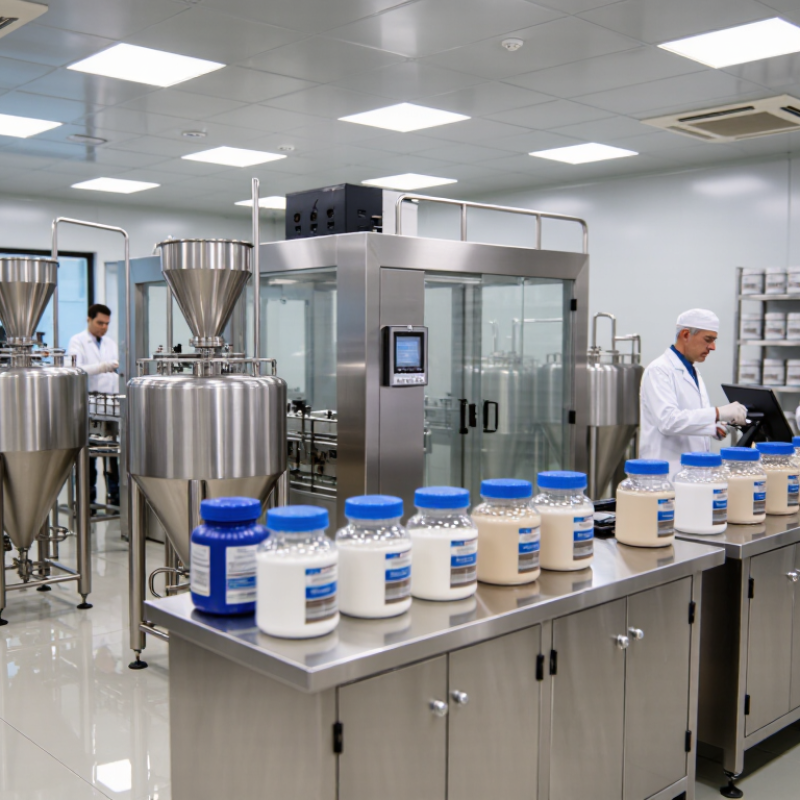
China’s dietary sports supplement manufacturing industry is defined by its production depth, technical flexibility, and increasingly strict quality controls. Manufacturers commonly produce powders, capsules, tablets, ready-to-mix products, and nutrition bars under one supply network. This range helps buyers adjust serving sizes, flavors, and packaging without changing suppliers too often.
In practice, reliable production starts with documented raw material controls. Ingredient specifications, supplier approval, identity testing, and contaminant screening should be clearly recorded. A serious facility also maintains clean zoning, calibrated equipment, and batch-level traceability.
During a factory review, buyers should inspect mixing rooms, storage temperatures, metal detectors, and sample-retention procedures. Details matter.
Professional manufacturers usually support formulation work, stability testing, nutrition analysis, and certificates of analysis. They understand that a formula must remain consistent after shipping, not only during laboratory trials. Export experience also requires accurate labeling, allergen declarations, and compliance with the destination market’s rules. These requirements can expose weak internal systems quickly.
However, not every polished facility delivers equally reliable results. Some factories communicate well but provide limited evidence behind their claims. Others have strong equipment yet respond slowly when specifications change. This gap deserves attention. A buyer should compare test records, production samples, audit findings, and corrective-action responses before approving a supplier. Manufacturing capacity is useful, but disciplined execution defines long-term quality.
Leading Manufacturer Categories and Their Product Specialties
China’s dietary sports supplement manufacturers usually fall into several specialized categories. Protein powder producers focus on whey, plant, and blended formulas. Their strengths include fine particle texture, instant mixing, and flavor development. Some facilities also handle collagen and recovery-focused powders. Ingredient suppliers concentrate on amino acids, creatine, electrolytes, and vitamin-mineral premixes. They often support precise dosing and customized nutrition profiles.
Ready-to-drink manufacturers produce bottled protein beverages, electrolyte drinks, and low-sugar hydration formulas. Their expertise covers heat processing, shelf-life testing, and filling efficiency. Bar and gummy producers serve convenient training nutrition. They work with protein crisps, fruit fibers, gelatin alternatives, and controlled sweetness. Capsule and tablet manufacturers suit customers seeking compact formulas. These factories commonly provide tablet compression, capsule filling, and protective packaging.
Reliable buyers should inspect production licenses, allergen controls, batch records, and independent laboratory reports. Testing should cover identity, purity, microbiological safety, and heavy metals. A polished sample proves little. Ask for the same batch documentation used during shipment. Manufacturers with strong technical teams can adjust solubility, flavor, serving size, and packaging for different markets. Yet customization may increase minimum order quantities and development time. That trade-off is easy to underestimate. A clean label can still hide a weak formulation if ingredient amounts are unclear. Clear specifications, realistic claims, and regular communication matter more than impressive factory photos.
Quality Standards, Testing Practices, and Regulatory Compliance
China’s top dietary sports supplement manufacturers are distinguished by disciplined quality systems, not attractive catalogs. Buyers should inspect GMP controls, HACCP plans, and ISO 22000 certification. Certificates matter, but current records matter more.
A reliable facility tests incoming ingredients against approved specifications. Finished powders and capsules require checks for identity, potency, moisture, microbes, and heavy metals. Sports products may also need screening for undeclared stimulants or prohibited substances. Independent laboratories can verify results through validated methods. Each batch should include a clear certificate of analysis, production date, lot number, and retest information. Traceability should work backward from the finished container to the original supplier.
Factory experience becomes visible during an audit. Clean zoning, calibrated scales, sealed sample bags, and retained samples reveal daily discipline. Staff should explain deviations without hiding them. That honesty is valuable. No audit is perfect. I would still question unusually consistent results, because real production has variation. Regulatory compliance also depends on the destination market. Ingredient permissions, labeling language, allergen declarations, and performance claims must be reviewed locally. A manufacturer may meet Chinese production requirements yet need additional controls for export. Claims can be the weak point. Companies should support them with evidence, not enthusiastic wording. Consistent testing, transparent documentation, and practical corrective actions offer stronger assurance than a polished sales presentation.
How to Evaluate China-Based Supplement Manufacturing Partners
China Top Dietary Sports Supplements Manufacturers: How to Evaluate China-Based Supplement Manufacturing Partners
Evaluating a China-based supplement manufacturer requires more than comparing prices. Check GMP certification, HACCP systems, and ISO 22000 documentation. Ask whether certificates match the actual production site. Review recent audit reports, not only scanned certificates. Request raw material specifications, allergen controls, and batch-level traceability. A reliable partner should explain testing methods clearly. Independent laboratory results can verify identity, purity, microbiological safety, and contaminant limits.
Tips:
Order a pilot batch before signing a large contract. Inspect the powder’s color, smell, texture, and packaging seal. Confirm the stated shelf life through stability data. Ask how rejected materials are isolated. Discuss minimum order quantities, production timelines, artwork approval, and corrective actions in writing. Communication matters too. A fast reply is useful, but precise answers matter more.
Do not rely on a polished factory tour alone. It may show excellent equipment while overlooking weak warehouse controls. Video calls help, but an independent onsite audit provides stronger evidence. Evaluate whether the manufacturer understands your destination market’s labeling and documentation rules. Keep specifications, change notifications, sampling procedures, and release standards inside the contract. I would also test communication during a small project. Delayed answers at this stage may become expensive later. No partner is perfect. The evaluation should reveal risks, not hide them.
Industry Trends Shaping China’s Sports Nutrition Supply Chain
China’s sports nutrition supply chain is shifting from volume production toward verified, flexible manufacturing. Leading dietary sports supplement manufacturers now support powders, tablets, ready-to-mix sachets, and functional beverages. Smaller production runs are becoming more practical. This helps overseas buyers test flavors before committing to large inventories.
Traceability is becoming a purchasing requirement, not a marketing extra. Buyers increasingly request batch records, ingredient origins, certificates of analysis, and independent testing for heavy metals and microbiological safety. QR-based tracking can connect a finished pouch to its filling date and raw material lot. Automated weighing and controlled humidity also reduce variation during production. These details matter when products travel through several warehouses.
Clean-label demand is reshaping formulation decisions. Lower sugar, plant-based proteins, simpler ingredient lists, and recyclable packaging are gaining attention. However, “natural” does not automatically mean better or safer. Formulators still need stability testing, allergen controls, accurate serving instructions, and evidence for permitted claims. Supply chain resilience is another concern. Port delays, changing freight costs, and ingredient shortages can quickly disrupt delivery schedules. Dual sourcing may reduce risk, but it can also create inconsistent flavor or texture. That weakness deserves more honest discussion. Manufacturers that combine technical documentation with responsive communication will be easier to trust, especially when a shipment does not go exactly as planned.