Top 10 Sports Nutrition and Supplements Every Athlete Should Consider
In the competitive world of athletics, the role of sports nutrition and supplements cannot be understated. Every athlete, whether a novice or a seasoned professional, understands that optimal performance hinges not only on rigorous training and skill development but also on the right nutritional support. A well-formulated diet, paired with the appropriate supplementation, can enhance endurance, accelerate recovery, and promote overall health.
As athletes push their bodies to the limit, their nutritional needs become more demanding. This has led to a growing interest in sports nutrition and supplements designed specifically to meet these unique dietary requirements. Understanding the top supplements available can empower athletes to make informed choices, ensuring they fuel their bodies adequately for peak performance. From amino acids and proteins to vitamins and minerals, the right additions to an athlete's diet can make all the difference in their training outcomes and competition success.
In this article, we will explore the top ten sports nutrition and supplements that every athlete should consider incorporating into their regimen. By highlighting these essential components, we aim to equip athletes with the knowledge they need to enhance their performance and maintain optimal health in their pursuit of excellence.

Understanding Sports Nutrition: A Key Element for Athletes
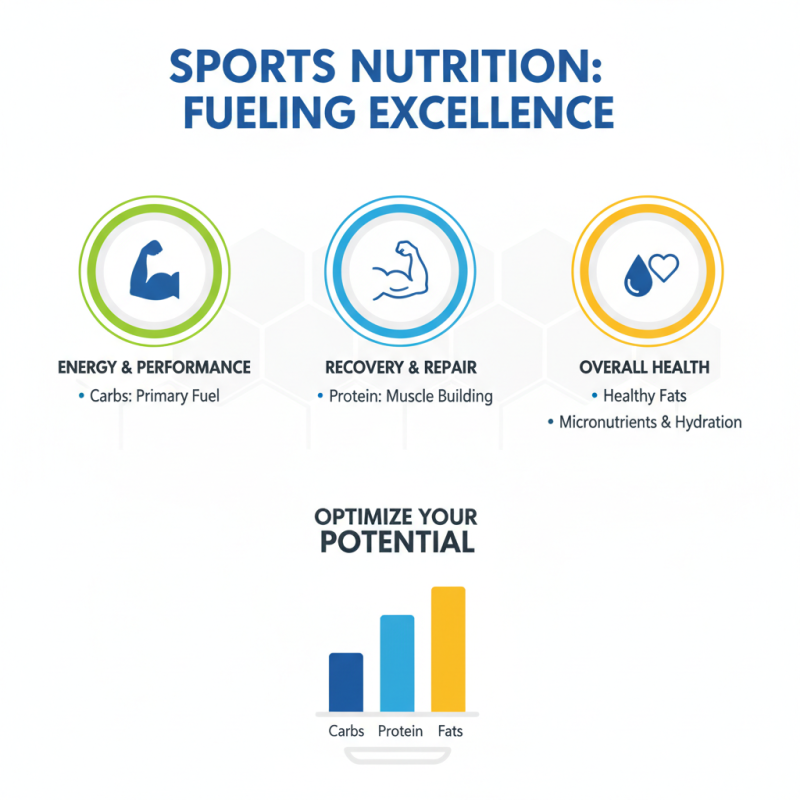
Understanding sports nutrition is fundamental for athletes who aim to optimize their performance and recovery. Proper nutrition provides the energy required for rigorous training sessions and competitions, allowing athletes to perform at their peak. It involves a careful balance of macronutrients—carbohydrates, proteins, and fats—as well as micronutrients and hydration. Carbohydrates are crucial as they serve as the primary energy source during high-intensity activities. Proteins play a vital role in muscle repair and recovery, while healthy fats support overall health and energy levels.
In addition to a well-balanced diet, many athletes benefit from supplements that can help fill nutritional gaps and enhance performance. Common supplements include protein powders, amino acids, and omega-3 fatty acids. These supplements can aid in muscle recovery and promote overall well-being. It's essential for athletes to work with nutritionists or dietitians to tailor their nutrition and supplementation strategies according to their specific training needs and goals. Understanding the science behind nutrition empowers athletes to make informed choices that can lead to improved performance, reduced injury risk, and sustainable athletic success.
Essential Macronutrients for Optimal Athletic Performance
To achieve optimal athletic performance, understanding and incorporating essential macronutrients into your diet is crucial.
Macronutrients—proteins, carbohydrates, and fats—play a vital role in fueling workouts, enhancing recovery, and building muscle. According to a report by the International Society of Sports Nutrition, athletes require significantly higher doses of these nutrients compared to non-athletes, with protein intake recommended at 1.6 to 2.2 grams per kilogram of body weight daily to support muscle repair and growth.
Carbohydrates serve as a primary energy source for athletes, especially during high-intensity activities. Research indicates that a carbohydrate intake of 5 to 7 grams per kilogram of body weight is necessary for endurance athletes to maintain their energy levels and optimize performance. In contrast, healthy fats, while often overlooked, are essential for long-term energy and hormone production. Fats should comprise about 20-35% of an athlete's total caloric intake, focusing on sources like avocados, nuts, and fish.
Tips: Aim to balance your meals with a mix of macronutrients to ensure a steady energy supply throughout your training sessions. Consider timing your carbohydrate intake around workouts to boost performance. For instance, consuming carbohydrates before training can enhance endurance, while post-workout carbohydrate and protein combinations can aid recovery significantly.
Top Vitamins and Minerals to Support Athletic Recovery
Athletes continually push their bodies to the limits, making adequate recovery essential for sustained performance. One key aspect of effective recovery is ensuring that the body receives essential vitamins and minerals. Research indicates that micronutrients play a crucial role in various physiological processes, including energy production, muscle repair, and immune function. According to a report published by the International Journal of Sport Nutrition and Exercise Metabolism, deficiencies in vitamins such as B6, B12, and C can lead to impaired recovery and increased fatigue, underscoring the importance of a well-rounded nutritional strategy for athletes.
Additionally, minerals such as magnesium, calcium, and zinc are vital for optimal recovery. Magnesium, for instance, is known for its role in muscle function and can help alleviate muscle soreness and cramps. The Journal of the American College of Nutrition highlights that athletes who incorporate adequate amounts of magnesium into their diets experience lower incidences of muscle weakness and cramping. Calcium is another mineral that aids in muscle contractions and bone health, which are critical for athletes engaged in high-impact activities. Zinc supports cellular repair and immune function, both of which are vital after intense training sessions. Thus, ensuring a sufficient intake of these vitamins and minerals can significantly enhance an athlete's recovery process and overall performance.
Top 10 Sports Nutrition and Supplements Every Athlete Should Consider
This bar chart illustrates the top 10 vitamins and minerals that are essential for athletic recovery, showing their effectiveness ratings based on current research. These include key nutrients such as Vitamin D, Omega-3 Fatty Acids, and Magnesium.
Popular Supplements: Benefits and Risks for Serious Athletes
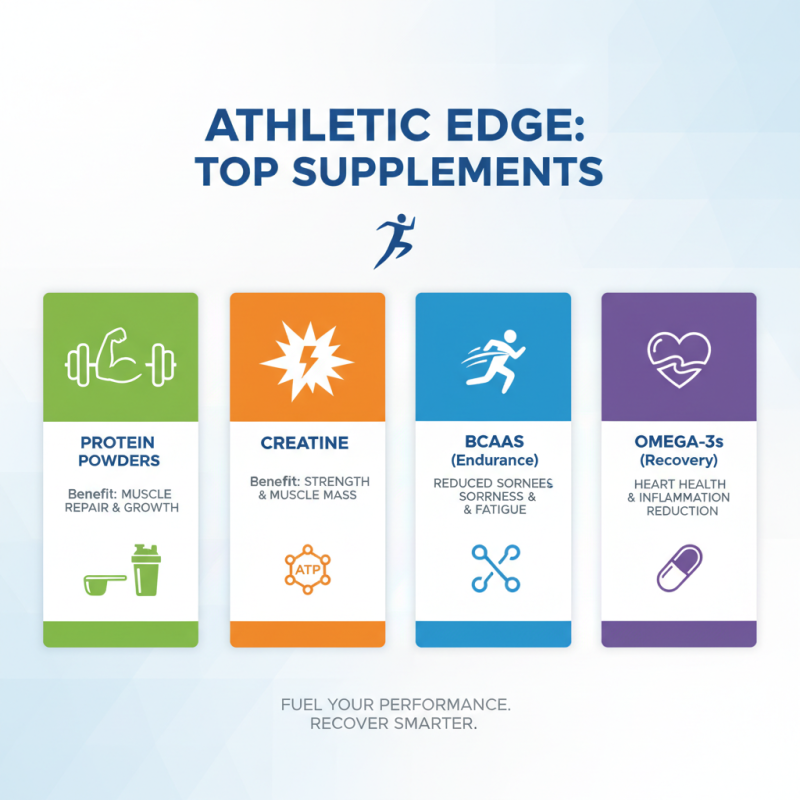
In the world of competitive sports, athletes often turn to various nutrition and supplements to enhance their performance and recovery. Popular supplements include protein powders, creatine, branched-chain amino acids (BCAAs), and omega-3 fatty acids. Each of these has specific benefits; for instance, protein powders help in muscle repair and growth, while creatine boosts strength and increases muscle mass. BCAAs are known to reduce muscle soreness and fatigue, making them a favored option for endurance athletes. Omega-3 fatty acids contribute to heart health and may reduce inflammation, aiding overall recovery.
However, it is essential for athletes to consider not just the benefits, but also the risks associated with these supplements. The market is filled with products that may not be rigorously tested or regulated, leading to concerns about purity and effectiveness. Furthermore, over-supplementation can lead to adverse effects, including digestive issues, kidney strain, and heart problems. Athletes should consult healthcare professionals before incorporating new supplements into their regimen, ensuring they align with their specific health needs and training goals. Understanding both the potential advantages and the associated risks is crucial for making informed decisions in sports nutrition.
Choosing the Right Supplements: Personalization and Safety Considerations
When selecting sports nutrition and supplements, personalization and safety are paramount. Every athlete has unique nutritional needs influenced by their sport, training intensity, and individual metabolism. A 2021 study published in the Journal of Sports Medicine highlights that personalized nutrition approaches can enhance performance more effectively than generic recommendations. Athletes who tailor their supplement intake based on their specific requirements, such as macronutrient ratios and micronutrient deficiencies, are likely to see better results in recovery and overall performance.
Moreover, safety considerations cannot be overlooked. A comprehensive review by the International Society of Sports Nutrition emphasizes the importance of choosing supplements that are tested for quality and free from harmful substances. Athletes should be cautious about the potential for contamination and mislabeling, as nearly 25% of sports supplements are reported to contain unlisted ingredients or banned substances. To mitigate these risks, opting for products certified by reputable third-party testing organizations ensures that the athlete receives what they expect in terms of ingredients and dosage, significantly reducing the chances of adverse effects or doping violations.
Prioritizing personalization in supplement selection combined with rigorous safety standards can empower athletes to maximize their performance while maintaining their health.