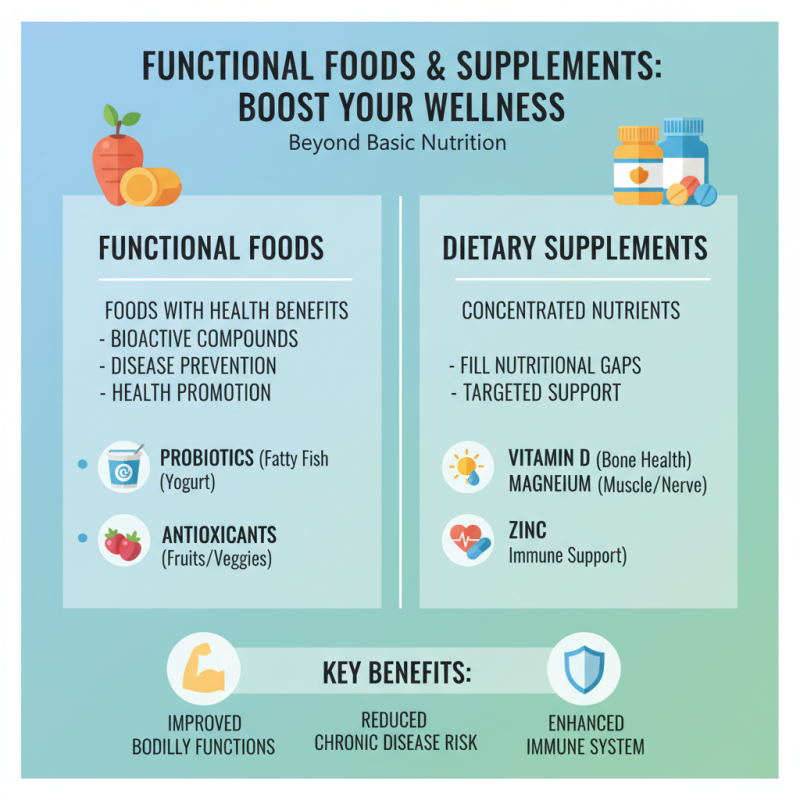
In recent years, there has been a significant shift in how individuals approach health and wellness, leading to an increased interest in functional foods and dietary supplements. These products are designed not only to provide essential nutrients but also to promote specific health benefits beyond basic nutrition. The recognition of the role that diet plays in preventing chronic diseases and supporting overall well-being has led many to seek out foods and supplements that can enhance their health.
Functional foods, which include items like fortified foods, probiotics, and whole foods rich in antioxidants, have gained popularity for their potential to improve health outcomes. Similarly, dietary supplements—ranging from vitamins and minerals to herbal extracts—offer additional support that may be necessary in our busy lives. This growing trend emphasizes the importance of making informed choices about what we consume and highlights the need to explore the top functional foods and dietary supplements that can contribute to a healthier lifestyle.
As we delve into the top 10 functional foods and dietary supplements, we aim to provide valuable insights into how these options can be integrated into daily routines to optimize health. By understanding their benefits and roles in our diet, individuals can make empowered decisions that support their long-term wellness goals.
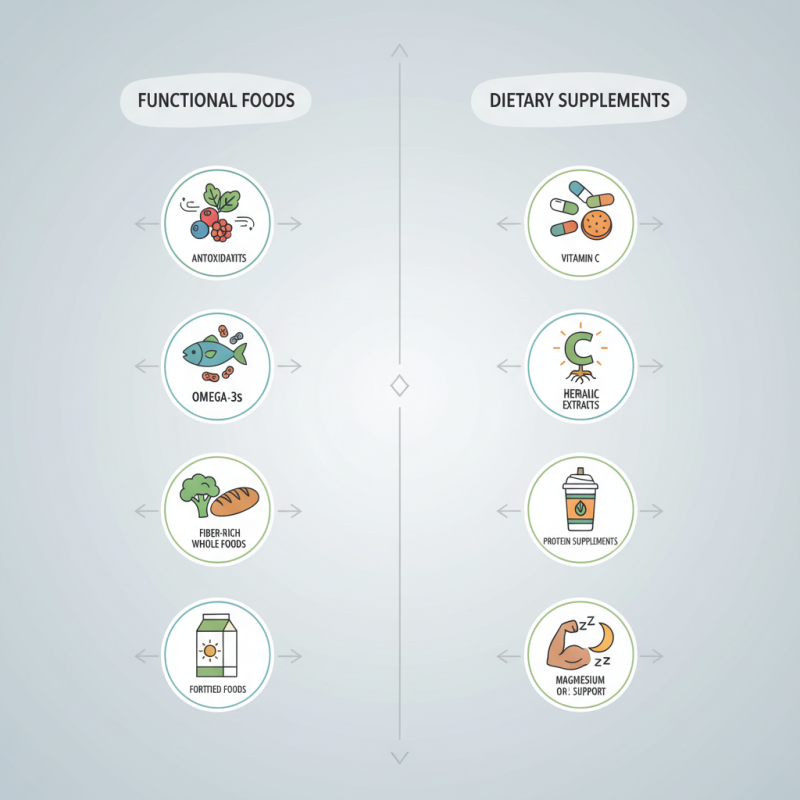
Functional foods and dietary supplements are increasingly recognized for their significant role in enhancing health and wellness. Functional foods are those that provide health benefits beyond basic nutrition; they often contain bioactive compounds that contribute to improved health outcomes. These foods include ingredients that can help prevent disease or promote health, such as probiotics in yogurt, omega-3 fatty acids in fatty fish, and antioxidants in fruits and vegetables. The importance of these foods lies in their ability to support various bodily functions, boost the immune system, and mitigate the risk of chronic diseases.
Dietary supplements, on the other hand, serve to complement the diet by providing nutrients that may be lacking in regular consumption. They can come in various forms, including vitamins, minerals, herbs, and amino acids, and are designed to fill nutritional gaps or support specific health needs. The significance of dietary supplements becomes evident in situations where dietary intake may be insufficient due to lifestyle choices, dietary restrictions, or specific health conditions. Together, functional foods and dietary supplements can play a crucial part in a well-rounded approach to health, helping individuals maintain well-being and prevent nutritional deficiencies.
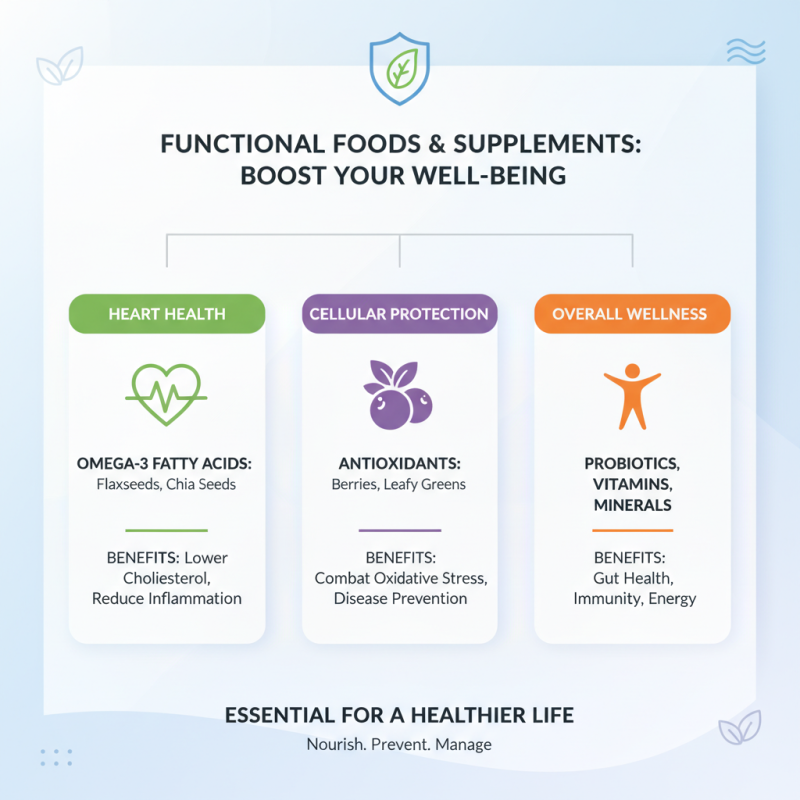
Functional foods and dietary supplements play a crucial role in enhancing health and well-being. These foods are not only essential for basic nutrition but also offer additional benefits that promote health, prevent diseases, and aid in the management of various ailments. For instance, foods rich in omega-3 fatty acids, such as flaxseeds and chia seeds, have been linked to improved heart health and decreased inflammation. Similarly, foods high in antioxidants, like berries and leafy greens, help to combat oxidative stress, potentially lowering the risk of chronic diseases.
In addition to traditional foods, dietary supplements can provide concentrated doses of essential nutrients that may be lacking in our diet. Probiotics, for example, are beneficial bacteria that support gut health, improving digestion and boosting immunity. Vitamin D and calcium work together to strengthen bones, particularly important for older adults. Additionally, herbal supplements such as turmeric, known for its anti-inflammatory properties, can support overall wellness. Integrating these functional foods and supplements into your daily routine can lead to a more balanced diet, fostering greater health outcomes and improving the quality of life.
Dietary supplements encompass a broad range of products designed to enhance health and wellness. They can include vitamins, minerals, herbs, amino acids, and enzymes, each serving different purposes. For instance, vitamin D is widely recognized for its role in bone health, while omega-3 fatty acids are often associated with cardiovascular support.
Herbal supplements, such as echinacea and ginseng, are used for their potential immune-boosting properties and energy-enhancing effects, respectively. Understanding the specific types of dietary supplements available can empower consumers to make informed choices based on their health needs.
The efficacy of dietary supplements varies significantly depending on the individual and the context of their use. While many supplements can provide benefits, not all claims are supported by robust scientific evidence. It's essential to research and consult healthcare professionals when considering supplements, particularly for those with existing health conditions or those taking medications. Additionally, lifestyle factors such as diet, exercise, and stress management play crucial roles in overall health, indicating that supplements should complement, not replace, a balanced lifestyle.
When considering functional foods and dietary supplements for your health, prioritizing safety and understanding potential side effects is crucial. Many supplements, while beneficial, can interact with medications or pose risks if taken inappropriately. For example, high doses of certain vitamins and minerals can lead to toxicity, while herbal supplements may affect liver function or blood pressure. Always consult with a healthcare professional before starting any new supplement, especially if you have underlying health conditions or are pregnant.
Tips: Begin by researching the specific supplements you’re interested in and read reliable health resources. Look for information on recommended dosages and possible interactions with medications you may be taking. Keeping a detailed record of what you consume can also help track any side effects that may arise, ensuring you stay informed about your health.
Another important consideration is to source supplements from reputable manufacturers. Quality control varies widely in the supplement industry, and products may not always contain what the label claims. Third-party testing and certifications can provide an extra layer of assurance regarding the purity and safety of a supplement. Addressing safety concerns proactively empowers you to make informed choices about your health regimen.
Integrating functional foods and dietary supplements into daily diets can significantly enhance overall health and well-being. Functional foods, which are fortified with nutrients or contain bioactive compounds, offer benefits beyond basic nutrition. Incorporating items such as whole grains, fruits, vegetables, and fermented products can contribute to a nutrient-rich diet that supports various bodily functions. By making small adjustments, like adding blueberries to breakfast or opting for whole grain bread, individuals can easily incorporate these foods into their lifestyle.
On the other hand, dietary supplements can act as valuable additions when certain nutrients are lacking in a person's diet. Incorporating supplements such as omega-3 fatty acids, vitamin D, or probiotics can help bridge nutritional gaps. It's important to consider personal health needs and consult healthcare providers to choose suitable supplements. For example, someone who lacks sun exposure might benefit from vitamin D supplementation. Integrating these foods and supplements requires a balance, encouraging diversity in meals while ensuring they are tailored to individual health goals. The key is to create a sustainable eating pattern that prioritizes nutrient density and supports holistic health.
| Functional Foods / Supplements | Health Benefits | Recommended Daily Intake | Common Sources |
|---|---|---|---|
| Blueberries | Rich in antioxidants, supports heart health | 1 cup per day | Fresh or frozen |
| Kale | High in vitamins A, K, and C, supports immune system | 1-2 cups of raw leaves | Fresh, in salads or smoothies |
| Salmon | Rich in omega-3 fatty acids, promotes brain health | 2 servings per week | Fresh or canned |
| Greek Yogurt | High in protein, beneficial for gut health | 1 cup per day | Plain or flavored |
| Chia Seeds | Rich in fiber and omega-3s, supports digestion | 1-2 tablespoons per day | Raw or soaked in liquid |
| Olive Oil | Heart-healthy fats, anti-inflammatory properties | 2 tablespoons per day | Extra virgin olive oil |
| Garlic | Boosts immune function, may lower blood pressure | 1-2 cloves per day | Fresh or powdered |
| Turmeric | Anti-inflammatory benefits, supports joint health | 1 teaspoon of powder | Fresh root or powder |
| Green Tea | High in antioxidants, supports metabolic health | 2-3 cups per day | Brewed tea |
Please visit our Flavor List for inspiration and contact Custom Flavors to discuss your specific flavor needs.
© 2025 Custom Flavors. All Rights Reserved.

"*" indicates required fields