Top 10 Food Dietary Supplements to Boost Your Health in 2025
As we approach 2025, the quest for optimal health continues to drive individuals towards innovative solutions that enhance well-being. Among the various options available, food dietary supplements have emerged as a prominent choice for those seeking to fill nutritional gaps and support their health goals. These supplements, ranging from vitamins and minerals to herbal extracts, play a vital role in providing essential nutrients that may be lacking in our everyday diets.
The increasing awareness of the importance of nutrition has paved the way for a burgeoning market of food dietary supplements that cater to a diverse array of health needs. As we delve into the top 10 dietary supplements for 2025, it is crucial to consider both their potential benefits and the scientific research backing their efficacy. From immune support to cognitive enhancement, these supplements are poised to shape the future of health and wellness, offering individuals new pathways to achieve a better quality of life in an increasingly health-conscious world.
In this exploration of food dietary supplements, we will highlight emerging trends and the nutritional science that underpins these choices. By understanding the selection of supplements best suited for various lifestyles and health concerns, individuals can make informed decisions that contribute to their overall well-being in the years to come.

Top Dietary Supplements Gaining Popularity in 2025
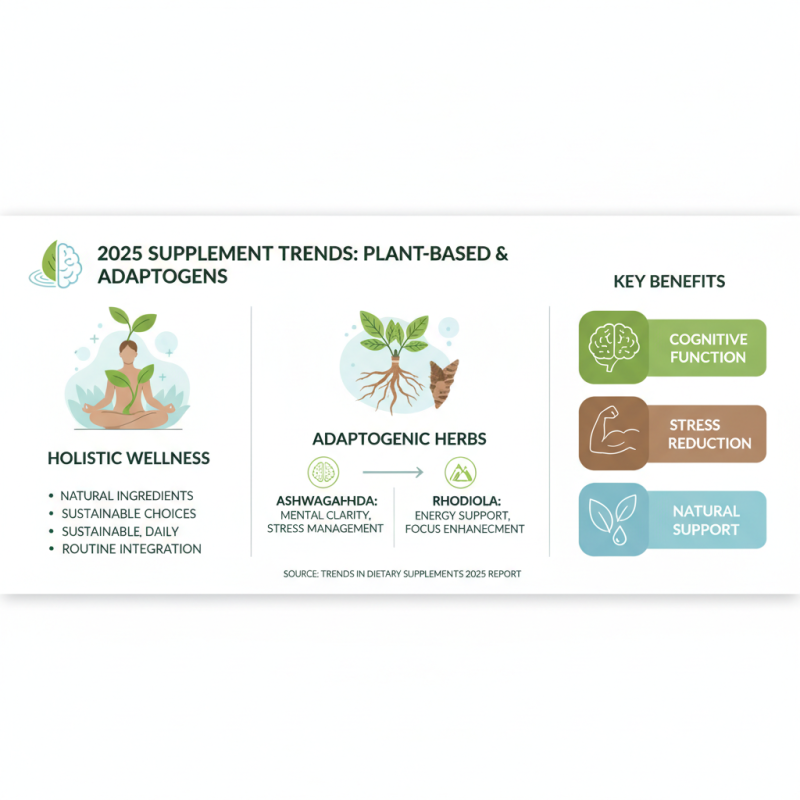
As we look ahead to 2025, the landscape of dietary supplements is rapidly evolving, with several products gaining traction among health-conscious consumers. One significant trend is the increasing popularity of plant-based supplements, driven by a growing awareness of the benefits of natural ingredients. Supplements derived from adaptogenic herbs like ashwagandha and rhodiola are becoming particularly favored for their potential to enhance mental clarity and manage stress levels. This shift emphasizes a holistic approach to wellness, as more individuals seek to incorporate sustainable and organic options into their daily routines.
Another area seeing substantial growth is the field of gut health supplements. Probiotics and prebiotics are becoming essential components of many dietary regimens as awareness of their role in digestion and immunity expands. With a focus on microbiome health, consumers are opting for formulations that support balance and diversity within gut flora. Moreover, innovations in delivery methods, such as gummies and effervescent powders, are making these supplements more appealing and accessible, contributing to their rising popularity. The trend illustrates a broader commitment to preventive health measures and a desire for personalized nutrition solutions that cater to individual needs.
Essential Vitamins for Overall Health Improvement
When it comes to enhancing overall health, incorporating essential vitamins into your daily diet can make a significant difference. In 2025, the importance of these dietary supplements is more apparent than ever as more individuals seek effective methods to support their well-being. Vitamins such as Vitamin D and Vitamin C are particularly noteworthy; the former aids in bone health and immune support, while the latter is renowned for its role in collagen production and antioxidant properties.
Tips: To increase your Vitamin D intake, consider spending a few minutes outdoors in sunlight each day or adding fortified foods to your diet. For Vitamin C, incorporating a variety of fruits and vegetables, such as oranges, strawberries, and bell peppers, can help you reach your daily needs.
Other key vitamins include B vitamins, which play a crucial role in energy metabolism and the functioning of the nervous system. Adequate levels of these vitamins can help reduce fatigue and improve mood. Additionally, Vitamin E, an antioxidant, helps protect your cells from damage and supports skin health.
Tips: A healthy balance of B vitamins can often be achieved by consuming whole grains, leafy greens, and legumes. To boost your Vitamin E intake, include nuts and seeds in your snacks or meals, providing you with added nutritional benefits while enhancing your overall health.
Top 10 Food Dietary Supplements to Boost Your Health in 2025 - Essential Vitamins for Overall Health Improvement
| Supplement |
Key Benefits |
Recommended Daily Intake |
Best Sources |
| Vitamin D |
Supports bone health and immune function |
600-800 IU |
Sunlight, fatty fish, fortified foods |
| Omega-3 Fatty Acids |
Promotes heart health and brain function |
250-500 mg |
Fish oil, flaxseeds, walnuts |
| Magnesium |
Supports muscle function and energy production |
310-420 mg |
Nuts, green leafy vegetables, whole grains |
| Vitamin C |
Boosts immune system and skin health |
75-90 mg |
Citrus fruits, strawberries, bell peppers |
| Zinc |
Supports immune function and wound healing |
8-11 mg |
Meat, shellfish, legumes |
| Vitamin B12 |
Supports nerve function and red blood cell formation |
2.4 mcg |
Animal products, fortified foods |
| Calcium |
Important for bone health and muscle function |
1000-1300 mg |
Dairy, leafy greens, fortified plant milks |
| Probiotics |
Supports gut health and digestion |
Varies by strain |
Yogurt, kefir, fermented foods |
| Iron |
Essential for blood production and energy |
8-18 mg |
Red meat, beans, lentils |
Mineral Supplements: Benefits and Optimal Dosages
Mineral supplements are increasingly recognized for their vital role in promoting overall health. According to a report by the National Institutes of Health, certain minerals, such as magnesium, zinc, and calcium, are essential for various bodily functions including bone health, immune system support, and energy production. In 2025, the demand for mineral supplements is expected to surge, with a projected market growth of over 4% annually, reflecting their increasing popularity among health-conscious consumers.
When considering mineral supplementation, it's crucial to adhere to optimal dosages. For instance, the recommended dietary allowance (RDA) for magnesium is approximately 400-420 mg for men and 310-320 mg for women, while zinc requires about 11 mg for men and 8 mg for women daily. Over-supplementation can lead to adverse effects, including gastrointestinal issues or toxicity. A report from the Office of Dietary Supplements emphasizes the importance of consulting with healthcare professionals before starting any new mineral regimen to tailor the intake to individual health needs.
Tips: Always focus on getting minerals from whole foods first, as they provide a complex matrix of nutrients that aid absorption. Incorporating a variety of fruits, vegetables, nuts, and seeds into your diet can help meet your mineral needs naturally. Additionally, consider keeping a food diary to track your intake and identify potential gaps in your nutrition.
Herbal Extracts and Natural Remedies for Wellness
In 2025, the focus on health and wellness continues to grow, with many turning to herbal extracts and natural remedies to enhance their well-being. These dietary supplements, derived from plants and natural sources, offer a wealth of benefits that can support optimal health. Ingredients like turmeric, praised for its anti-inflammatory properties, and ashwagandha, known for its stress-reducing qualities, are becoming increasingly popular among health-conscious individuals.
Tips for incorporating herbal extracts into your daily routine include starting with small doses to gauge how your body responds. Herbal teas can be an excellent way to introduce these remedies; for example, chamomile tea not only aids relaxation but can also promote better sleep. Additionally, consider making a smoothie with spirulina or chlorella, both of which are nutrient-dense algae known to boost energy and enhance overall vitality.
Another effective way to harness the power of natural remedies is through essential oils. Diffusing oils like eucalyptus and lavender not only provides aromatherapy benefits but can also improve mood and support respiratory health. Experimenting with different blends can help you discover what works best for your health and wellness goals. Embracing these natural supplements can pave the way for a healthier lifestyle in 2025 and beyond.
Probiotics and Their Role in Digestive Health
Probiotics have gained recognition for their crucial role in supporting digestive health, with a growing body of research indicating their benefits extend far beyond just aiding digestion. According to a report by the Global Prebiotic and Probiotic Market, the demand for probiotic supplements is expected to reach approximately $77 billion by 2025. This surge is largely due to increasing consumer awareness of gut health and its connection to overall wellness. Probiotics, which are live microorganisms that provide health benefits when consumed in adequate amounts, play a vital part in maintaining a balanced gut microbiome, helping to promote regularity and reduce digestive disorders.
One of the key benefits of probiotics is their potential to enhance gut barrier function, which can prevent the entry of harmful pathogens and toxins into the bloodstream. A study published in the Journal of Clinical Gastroenterology highlighted that specific strains of probiotics can help alleviate symptoms of conditions such as Irritable Bowel Syndrome (IBS) and inflammatory bowel diseases. Additionally, emerging research suggests probiotics may contribute to improved immune function and mental health, illustrating the deep interconnection between our gut and overall health.
Tips: When choosing a probiotic supplement, look for products that contain multiple strains of bacteria, as diverse microbiota has shown to yield greater health benefits. Furthermore, considering the CFU (colony-forming units) count is essential; a higher CFU count may be more beneficial for certain health conditions. Finally, consult with a healthcare professional to determine the best probiotic strains suited for your individual health needs, ensuring optimal digestive support.
Top 10 Food Dietary Supplements to Boost Your Health in 2025
This chart illustrates the popularity scores of the top 10 dietary supplements expected to boost health in 2025. Probiotics lead the chart, showing a significant role in digestive health, followed by Omega-3 fatty acids and Vitamin D, highlighting the growing emphasis on overall wellness and preventative health measures.