10 Tips for Sourcing Meal Replacement Supplements?

Choosing reliable meal replacement supplements involves more than comparing prices or attractive packaging. A practical review examines formulation, supplier history, manufacturing controls, testing records, and customer needs. The label should clearly state calories, protein, carbohydrates, fats, vitamins, minerals, allergens, and serving size. Small details matter. A missing allergen statement can create serious problems for consumers. Sourcing teams should request current certificates, independent laboratory results, and traceable batch information. However, documents alone do not prove consistent quality.

Experienced buyers also assess the manufacturer’s facility, quality system, complaint process, and recall readiness. Where possible, ask how ingredients are qualified before production begins. Verify claims through recognized standards and applicable food-safety requirements. A qualified dietitian or regulatory specialist can review nutritional suitability. This step is especially important for products used by athletes, older adults, or people managing medical conditions. Do not treat a supplement as a complete medical solution. That assumption is easy to make.

The ten tips in this guide turn those checks into practical sourcing actions. They cover supplier screening, transparent formulas, third-party testing, packaging, storage, pricing, and ongoing monitoring. Look beyond the sample shipment. A product may taste smooth in a trial cup, yet fail during heat exposure or long-distance transport. Good sourcing asks uncomfortable questions about evidence, margins, and accountability. Some recommendations may need adjustment for local markets or changing regulations. That is not a weakness. It is responsible review. With careful records and honest follow-up, buyers can reduce avoidable risk and select products that genuinely serve their intended users.
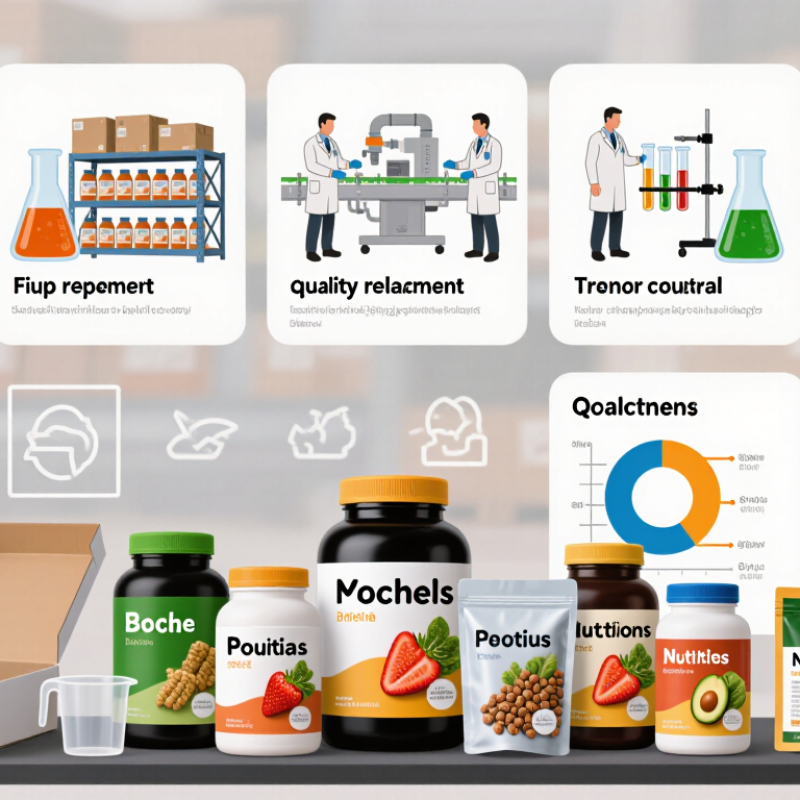
10 Tips for Sourcing Meal Replacement Supplements?

Define the Purpose and User Profile for Meal Replacement Supplements

Before sourcing meal replacement supplements, define the job they must perform. Is the product replacing an occasional meal, supporting controlled calorie intake, or providing convenient nutrition during travel? A vague purpose creates weak product specifications. Purpose comes first. It also shapes the user profile, serving size, nutrient balance, texture, and preparation method.

Describe the intended user in practical detail. A busy office worker may need a single-serve powder that mixes quickly in cold water. An older adult may prefer a softer texture, clear instructions, and nutrients suited to their dietary needs. Users with allergies, diabetes, or medication concerns require careful professional review. Do not treat “healthy adults” as one simple group. That assumption often fails.

Sourcing decisions should then follow documented evidence. Request ingredient specifications, certificates of analysis, allergen controls, stability data, and independent testing records. Check whether nutrition values match the finished product, not only the draft formula. A qualified dietitian or food scientist can review suitability and claims. Taste trials should include realistic preparation, such as a shaker bottle and a rushed morning. I have seen convenience overlooked too often. A product can be nutritionally sound yet remain unused because it clumps, tastes overly sweet, or leaves people hungry. User feedback may challenge the original profile, so revise the brief before placing a larger order.

Set Nutritional, Ingredient, and Safety Requirements

When sourcing meal replacement supplements, define nutritional requirements before reviewing suppliers. Set minimum calories, protein, fiber, and essential micronutrient levels per serving. A practical serving should support a busy morning without creating a heavy, chalky drink. Check whether protein quality matches the intended consumer group. Plant-based formulas may require careful amino acid planning.

Ingredients need clear identities, quantities, and functional purposes. Avoid vague terms such as “proprietary blend” when exact amounts matter. Ask suppliers for allergen statements, specifications, and recent certificates of analysis. Confirm testing for heavy metals, pesticides, pathogens, and unwanted contaminants. Safety documentation should include shelf-life data and storage conditions. A warm warehouse can change powder quality faster than expected. Small details matter.

Request manufacturing records that show batch traceability and consistent sanitation controls. Review whether the facility follows recognized good manufacturing practices and applicable food regulations. Samples should be tested independently, not judged only by appearance or flavor. I would also examine packaging seals, serving instructions, and warning statements. Consumers may use these products daily, so tolerability deserves attention. My checklist is not perfect. I once focused too heavily on protein content and overlooked excessive sweetness. Sensory feedback, nutrition data, and laboratory evidence must be reviewed together. Suppliers should answer questions directly, provide updated documents, and explain corrective actions when a batch fails specifications.

10 Tips for Sourcing Meal Replacement Supplements: Nutritional, Ingredient, and Safety Requirements

Use the FDA Daily Values below as transparent reference points when reviewing a meal-replacement specification. They are daily benchmarks for adults and children aged 4 and older, not mandatory amounts for a single serving.

Sourcing checklist

1. Define the intended consumer and serving size. 2. Set protein and fiber targets. 3. Control total, saturated, and added fat levels. 4. Verify vitamin and mineral fortification. 5. Require a complete ingredient declaration. 6. Review allergen labeling for the target market. 7. Confirm manufacturing under applicable current Good Manufacturing Practices. 8. Request certificates of analysis for identity, potency, microbiological quality, and contaminants. 9. Check lot traceability, shelf life, and storage conditions. 10. Confirm that all nutrition and safety claims are supported and legally permitted in the destination market.

Reference values: U.S. FDA Daily Values for protein, dietary fiber, total fat, saturated fat, and added sugars. Product specifications should be adapted to the formula, serving size, population, and applicable regulations.

Compare Suppliers, Product Quality, and Manufacturing Standards

10 Tips for Sourcing Meal Replacement Supplements

Compare suppliers beyond their price sheets.

Tip 1: Check their operating history and technical team.

Tip 2: Request current certificates for quality systems and facility audits.

Tip 3: Ask where ingredients are sourced and how suppliers are approved.

A polished website proves little. I have seen attractive samples fail during repeat testing.

Tip 4: Review the full specification, including protein content, vitamins, minerals, allergens, sweeteners, and serving size.

Tip 5: Request independent laboratory reports for identity, microbiological safety, heavy metals, and contaminants.

Tip 6: Compare results from several production batches, not one convenient report.

Taste matters, too. Texture can change after storage.

Tip 7: Test samples after heat and humidity exposure, using packaging similar to the final product.

Tip 8: Examine manufacturing controls, including weighing, mixing, filling, cleaning, and line clearance.

Tip 9: Confirm traceability from raw material lot to finished shipment.

Tip 10: Review stability data, recall procedures, complaint handling, and change-control policies.

Ask difficult questions.

A reliable supplier should answer clearly, provide records, and admit limitations.

Some buyers overlook minimum order quantities and lead times until production is delayed.

I once underestimated packaging approval time; that mistake was expensive.

Manufacturing standards should be verified through documented evidence, on-site assessment, and ongoing communication rather than trust alone.

Verify Certifications, Testing Records, and Regulatory Compliance

10 Tips for Sourcing Meal Replacement Supplements

Reliable sourcing begins with evidence, not attractive packaging. Ask for current certification documents and confirm their scope, facility address, product category, and expiration date. A certificate covering manufacturing may not cover formulation, storage, or testing. Contact the issuing body when verification portals are available. Paperwork can mislead.

Request batch-specific certificates of analysis, not generic templates. Match the lot number, production date, and laboratory name across every document. Testing should address identity, nutrition accuracy, microbiological safety, heavy metals, allergens, and relevant contaminants. Prefer independent laboratories accredited to ISO/IEC 17025 standards. Review the test methods, detection limits, and pass criteria carefully. A clean result without method details is incomplete.

Regulatory compliance requires more than a familiar logo. Check ingredient permissions, dosage limits, warning statements, allergen declarations, and permitted claims for each target market. Review the final label against the tested formula, including serving size and nutrient values. Ask how the supplier controls changes, retains samples, investigates complaints, and traces ingredients to their source. Facility audits can reveal poor segregation, weak records, or unsuitable storage conditions. I have seen strong documents fail when lot numbers did not match. That mistake is avoidable, but not always obvious. Keep an approval file with signed specifications, audit findings, corrective actions, and review dates. Supplier confidence should grow from verified records, not promises.

Evaluate Pricing, Logistics, and Long-Term Supplier Reliability

When sourcing meal replacement supplements, compare total landed cost, not only the quoted unit price. Include testing, packaging, freight, insurance, customs, and possible storage fees. Cheap quotes mislead. A supplier offering a lower price may require a larger minimum order, tying up cash for months. Request a clear cost breakdown and confirm whether prices change after raw material fluctuations.

Logistics can quietly damage both margins and product quality. Check production lead times, batch release procedures, pallet dimensions, and shipping documents before placing an order. Ask how powders are protected from moisture during transit. For temperature-sensitive ingredients, confirm acceptable shipping conditions and monitoring methods. I would also request recent certificates of analysis and independent test results. These records help verify identity, potency, contaminants, and consistency. Verify everything.

Long-term reliability requires evidence beyond a polished sales call. Review the supplier’s quality system, complaint records, corrective actions, and change-control process. Ask for production capacity during peak seasons and a realistic backup plan for delayed materials. Contact two current or former customers when possible. Their comments may reveal communication problems that audits miss. I once focused too heavily on price and underestimated response speed. That was my mistake. A dependable supplier answers difficult questions, reports delays early, and documents each agreed change. Build a small trial order into the evaluation, then measure delivery accuracy, batch consistency, and issue resolution before expanding the relationship.

10 Tips for Sourcing Meal Replacement Supplements? - Evaluate Pricing, Logistics, and Long-Term Supplier Reliability

No. Sourcing Tip Evaluation Dimension Practical Benchmark or Data Point Verification Method Warning Sign / Recommended Action
1 Define the nutrition specification first Calories, protein, carbohydrate, fat, fiber, vitamins, minerals, and serving size Create a fixed specification for each serving. A typical meal-replacement format commonly provides approximately 200–400 kcal and at least 10–20 g of protein, subject to the intended market and regulatory requirements. Review the formula, nutrition panel, ingredient tolerances, allergen statement, and finished-product certificate of analysis. Frequent formula changes or unclear nutrient tolerances can create labeling and cost problems. Approve a controlled master specification before requesting quotations.
2 Compare total landed cost, not unit price Product price, packaging, testing, freight, duties, insurance, and payment terms Calculate cost per serving and cost per delivered kilogram. Include one-time tooling, artwork, sampling, customs charges, and potential inspection fees. Request itemized quotations under the same Incoterm, currency, order quantity, packaging format, and delivery destination. A low ex-works price may become expensive after freight, testing, or import charges. Use a landed-cost spreadsheet for every supplier.
3 Test minimum order quantity flexibility MOQ, batch size, customization, and inventory exposure Compare standard stock packaging with customized packaging. Lower MOQs often carry higher unit costs, while larger MOQs can increase expiry and working-capital risk. Obtain written MOQ tiers for samples, pilot orders, repeat orders, and customized formulas. Avoid committing to a full production run before validating demand, shelf life, product quality, and market registration requirements.
4 Check ingredient and allergen traceability Raw-material origin, identity, contamination control, and allergen management Every critical ingredient should have a lot number, specification, supplier record, and test documentation. Allergen controls should cover receiving, storage, production, and cleaning. Review incoming-material records, allergen maps, laboratory results, recall procedures, and sample traceability from finished goods back to raw materials. Missing lot-level records or vague origin statements indicate weak control. Require corrective actions before approval.
5 Validate quality-system certifications Good manufacturing practice, food-safety systems, audits, and laboratory controls Prefer a current, independently verifiable food-safety or GMP certification relevant to the product category and manufacturing site. Check certificate scope, issuing body, expiration date, site address, audit status, and whether the certificate covers the exact product process. An expired certificate or certificate covering a different site should not be treated as evidence of current compliance.
6 Evaluate production lead time and capacity Sample time, production time, release time, capacity, and peak-season planning Separate the timeline into artwork approval, raw-material procurement, manufacturing, laboratory release, and shipping. Do not treat a single quoted lead time as the full supply cycle. Request a written production schedule, monthly capacity estimate, planned maintenance periods, and contingency procedure for shortages. Repeatedly changing dates or refusal to disclose capacity may indicate unstable planning. Add safety stock or qualify a backup source.
7 Plan logistics around shelf life Remaining shelf life, storage conditions, transport temperature, and packaging durability Set a minimum remaining shelf-life requirement at delivery, such as 70–80% of the labeled shelf life, where commercially and legally appropriate. Review stability data, packaging specifications, pallet configuration, humidity controls, and temperature requirements for the shipment route. Short-dated goods, damaged cartons, moisture exposure, or unclear storage limits can lead to write-offs. Define rejection criteria in the purchase agreement.
8 Use independent pre-shipment testing Nutrient accuracy, microbiological safety, contaminants, and physical quality Testing should match the risk profile and legal requirements, commonly including microbiology, moisture, heavy metals where relevant, identity, and key nutrient verification. Use a competent laboratory and test representative samples against the approved specification before shipment or release. A supplier-provided certificate without batch linkage or method details provides limited assurance. Require traceable results.
9 Measure delivery and quality performance On-time delivery, order accuracy, complaint rate, nonconformance, and corrective-action speed Track monthly performance indicators such as on-time-in-full delivery, batch acceptance rate, complaint closure time, and percentage of orders requiring correction. Use a supplier scorecard with agreed targets, evidence, review frequency, and escalation levels. One isolated problem may be manageable; repeated failures without effective corrective action are a long-term reliability risk.
10 Secure continuity and contract protection Business continuity, dual sourcing, change control, recalls, and commercial terms Maintain an approved backup plan for critical ingredients, packaging, and manufacturing capacity. Contractually define notice periods for formula, site, ingredient, and packaging changes. Review business-continuity plans, insurance, recall procedures, financial stability indicators, change-notification records, and termination provisions. Dependence on one undocumented source or informal commitments increases interruption risk. Use written service levels and periodic supplier reviews.
Recommended decision rule: Select a supplier only after product compliance, landed cost, logistics capability, batch quality, and continuity risk have been evaluated together. Commercial pricing should not compensate for unresolved safety, traceability, or reliability gaps.