10 Must Know Tips for Choosing Sports Supplements Wisely
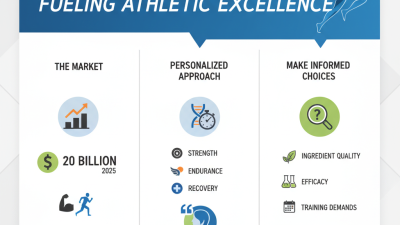
The sports supplements industry has seen significant growth, reaching an estimated value of $30 billion in 2023. This boom reflects the increasing demand for products that support athletic performance and recovery. Athletes and fitness enthusiasts often turn to these supplements for an edge in their training and competitions. However, not all options on the market are the same, and making informed choices is crucial.
Dr. Robert Portman, a nutrition scientist and expert in sports supplements, emphasizes that "choosing the right supplement can be as important as the training itself." Given the vast array of products, it’s essential to look beyond flashy marketing and focus on quality, safety, and efficacy. Many products boast impressive claims, but consumers must critically assess the ingredients and their sources.
Sifting through countless options can be overwhelming. There are countless testimonials, yet not all are reliable. Thus, it helps to have a set of guidelines to navigate the sports supplements landscape. Understanding your specific needs is vital, and staying informed is a continuous journey. As the industry evolves, so should our approach toward incorporating these products into our routines.

Understanding Your Nutritional Needs Before Choosing Supplements
When considering sports supplements, understanding your nutritional needs is crucial. Many athletes overlook their daily dietary intake. Reports suggest that nearly 70% of athletes do not meet their basic nutritional requirements through food alone. This gap often leads them to supplements, but choosing wisely is essential.
Evaluate your specific goals. Are you aiming for muscle gain, endurance, or recovery? Each goal requires a different nutrient balance. For instance, muscle gain often demands higher protein intake. The International Society of Sports Nutrition recommends 1.6 to 2.2 grams of protein per kilogram of body weight for muscle growth. Familiarize yourself with these metrics; they can be eye-opening.
Additionally, testing your micronutrient levels can illuminate hidden deficiencies. Many athletes unknowingly lack vitamins like D and B12, which are vital for athletic performance. A 2021 study found that about 40% of athletes had insufficient levels of vitamin D. Reflect on your current diet. Are you consistently consuming enough fruits, vegetables, and whole grains? Small improvements in daily eating habits can greatly reduce reliance on supplements.
Researching the Ingredients and Benefits of Sports Supplements
When choosing sports supplements, researching ingredients is crucial. Many athletes rush into decisions without understanding what they are consuming. Read labels carefully. Look for scientific names and their purposes. Some ingredients may sound beneficial but lack credible evidence.
Consider the benefits of common supplements. Proteins support muscle repair. Creatine can enhance performance in short bursts. But not everyone needs them. Some might experience side effects or sensitivities. Researching user reviews can offer insights. But be mindful; personal experiences vary.
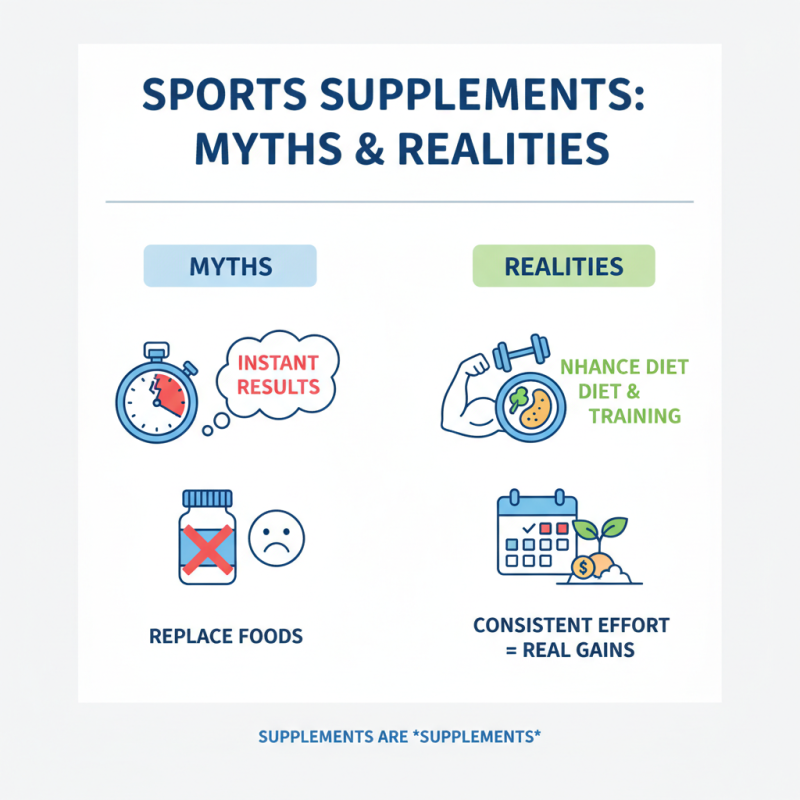
It's wise to consult a health professional. They can help you navigate what suits your body best. Supplements should complement a balanced diet. Relying too heavily on them can lead to nutritional imbalances. Reflect on your overall lifestyle and goals before making a choice.
Evaluating the Quality and Safety of Supplement Brands
When choosing sports supplements, evaluating the quality and safety of brands is crucial. Not all products are created equal. Many have subpar ingredients or misleading labels. Look for third-party testing to confirm a product's claims. This can help you avoid harmful additives or inaccurate dosages.
Tip: Read reviews from verified users. Many people share their experiences online. These insights can offer valuable guidance. Take note of any recurring issues. Suppose a product consistently receives negative feedback. A red flag goes up.
Another tip is to check for certifications. Reputable brands often have seals from recognized entities. These certifications can indicate good manufacturing practices and ingredient quality. On the other hand, it’s wise to be cautious of flashy marketing. Sometimes, a pretty label hides poor quality. Always dig deeper. Ask questions if needed.
10 Must Know Tips for Choosing Sports Supplements Wisely
Consulting with Professionals for Personalized Supplement Advice
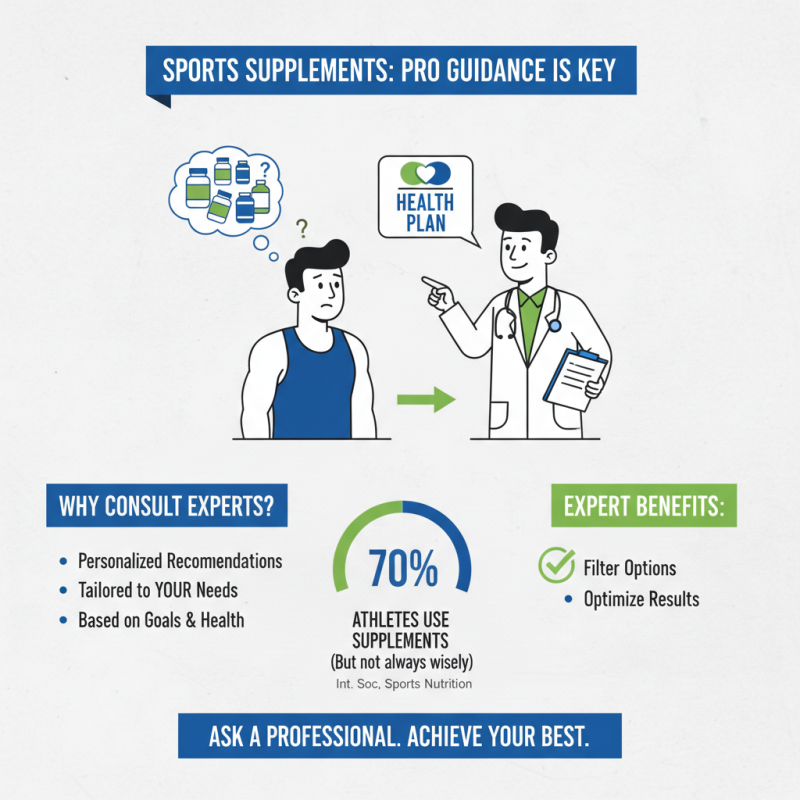
When considering sports supplements, seeking advice from professionals is crucial. Experts can offer personalized recommendations tailored to your unique needs. A study from the International Society of Sports Nutrition highlights that nearly 70% of athletes use supplements but may not always choose wisely. Professional guidance can help filter options based on your fitness goals and current health status.
Consulting with a registered dietitian or a sports nutritionist can make a significant difference. They can assess your dietary intake and potential deficiencies. For instance, if you are low in protein, they may recommend specific protein powders rather than generic options. This targeted approach can prevent unnecessary purchases and improve your performance.
Tip: Always review the ingredient list and dosage recommendations. Some supplements may not have effective doses for your goals.
Moreover, communication with professionals can help you avoid common pitfalls. Many athletes may not realize that just because a supplement claims to boost performance, it doesn’t guarantee results. Gaining clarity from experts can help you sift through marketing jargon and make informed choices.
Tip: Keep a journal of your supplement intake and note any changes. Tracking your progress can reveal what truly benefits you.