Buying nutrition supplements in bulk can lower the cost per serving, but a large order also magnifies the consequences of poor quality or unsuitable storage. Demand is substantial: the Council for Responsible Nutrition’s 2024 Consumer Survey, conducted with Ipsos, found that 75% of U.S. adults use dietary supplements. Grand View Research estimated the global dietary supplements market at $177.5 billion in 2023 and projected continued growth. These figures show a busy market, not a guarantee that every product or seller is dependable.
Bulk buying sounds simple. It rarely is. A low price per bottle may lose its appeal when the expiration date is close, the powder clumps in a humid cupboard, or a product does not suit the intended routine. Before ordering, compare serving sizes and total costs, check lot and expiration details, and look for clear ingredient lists and accessible quality documentation. Independent certification can provide useful information, but it does not replace checking whether a product fits your needs.
Storage matters. So does the supplier. The NIH Office of Dietary Supplements offers evidence-based fact sheets that can help readers assess ingredients and potential interactions; people with health conditions or medication questions should consult a qualified healthcare professional. This guide’s ten tips focus on practical checks, from supplier credentials to shelf life and testing claims. Some details remain easy to overlook. A bulk discount is only worthwhile when the product is appropriate, traceable, and likely to be used before it expires.

Before buying supplements in bulk, write down what you actually plan to use and why. Start with one month. Note each product’s serving size, how often you take it, and whether a clinician recommended it. Check the ingredient list and amount per serving, not just the front-label claims. If you are unsure whether a supplement suits your diet or health needs, ask a qualified healthcare professional. People taking medication, managing a condition, or pregnant should seek advice before changing their routine.
Estimate a sensible quantity from your real use. If you take one capsule daily, a 90-count bottle may cover about three months, but only if you will use it consistently and it stays fresh. Check the expiration date, seal, and storage instructions; a warm, damp kitchen cabinet may not be suitable. Buying several months at once can lower the cost per serving, yet it can also leave you with unused products if your needs change. That calculation is easy to get wrong. Leave room to revise. Start with a small amount when trying something new, then review your routine before ordering more. Bulk should match a steady habit, not create pressure to finish something that no longer makes sense.
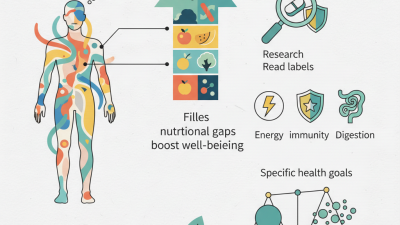
When buying nutrition supplements in bulk, inspect the full ingredient list before comparing prices. Check active ingredients, added sugars, allergens, and serving size. Read the label slowly. A familiar ingredient can appear in a different form or amount than expected. Tip: Compare the amount per serving, not just the amount per container. If a blend hides individual quantities, it is harder to judge what you are buying.
Dosage deserves careful attention. Match the label’s suggested serving with advice from a qualified health professional, especially if you take medication or manage a health condition. More is not automatically better. I once focused on a low price and missed that the recommended serving made the container run out much sooner. That changed the real cost. Avoid products with unclear directions or claims that sound guaranteed.
Check quality certifications and supporting documents before placing a large order. Look for independent testing or certification relevant to the product, and confirm what it covers; a logo alone is not proof of effectiveness. Ask whether testing checks identity, strength, and contaminants, and whether results apply to the current batch. Also inspect lot numbers, seals, and expiry dates. Bulk stock can sit for months, so calculate whether you can use it before it expires.
Buying supplements in bulk can reduce the cost per serving, but the listed price rarely tells the whole story. Compare at least three suppliers using the same product form, serving size, ingredient amounts, and expiry window. A bottle with 120 capsules may look cheaper but contain fewer full servings. Check batch numbers, seals, and available independent testing documents. Ask how products are stored and shipped, especially if heat or moisture could affect them. Small details matter.
Calculate the full cost: product price, shipping, taxes, and fees, divided by usable servings. Request written quotes. Then read each return policy before paying. Are returns limited to unopened products? Who pays return shipping? How many days do you have, and are bulk orders excluded? Keep your invoice and save the policy page.
If a parcel arrives crushed or with an unexpectedly short expiry date, take photos and contact the supplier promptly. A generous policy helps only when the steps are clear. It is easy to focus on discounts and overlook expiry dates. Compare response times, too: ask a practical question and see whether the answer is specific. A low price feels less reassuring when basic questions get vague replies.
Before ordering a large quantity, check the expiration date on the actual containers, not only the outer carton. Ask for dates on the lot you will receive if the listing does not show them. A low price is less useful when half the supply may expire before you can use it. Count your likely monthly use, then leave a reasonable buffer. Do not assume every bottle in a bulk case has the same date.
Inspect packaging details, too. Seals should be intact, labels readable, and containers free from dents, leaks, or moisture damage. A tidy shipping box is not proof that each item was stored well. Check the label for storage instructions, such as keeping the product cool, dry, and away from direct sunlight. If temperature limits are specific, ask how the goods were stored and shipped. Keep the answer in writing.
At home, store supplements according to the label, not wherever a shelf happens to be free. A bathroom cabinet can expose containers to heat and humidity. Use older stock first, and keep products in their original packaging so dates and instructions remain visible. Bulk buying can still lead to waste. If dates, seals, or storage history seem unclear, pause and seek clarification before purchasing.
A large container can reduce cost, but it also means more servings to use before expiry. Safety deserves equal attention. A 2015 study in the New England Journal of Medicine estimated 23,005 annual U.S. emergency visits linked to dietary supplements. The estimate came from emergency department data, not every mild reaction. Still, it shows that “over the counter” does not mean risk-free. A sealed tub can still conflict with a medicine.
Before buying, check the ingredient list against your prescriptions and ask a pharmacist about possible interactions. Blood thinners, diabetes medicines, and supplements that affect alertness deserve particular care. Keep the original label, lot number, and expiry date; don’t decant bulk powder into an unmarked jar. Small details matter. If the product smells unusual or its seal is damaged, don’t use it.
In the United States, the FDA does not approve dietary supplements for safety and effectiveness before sale. Manufacturers are responsible for product quality and accurate labeling, while FDA rules set manufacturing requirements. Independent testing can add useful checks for identity and contaminants, but it does not prove a supplement works. Review the tester’s published criteria and certificate for the exact lot. I’d still treat a clean certificate as one piece of evidence, not a guarantee. Verify local requirements too, since standards differ by country.
Vitamin C daily intake benchmarks for adults aged 19 and older
Recommended daily allowance (RDA) values are 90 mg for men and 75 mg for women. The tolerable upper intake level (UL) is 2,000 mg per day for adults; it is a safety limit, not a target. Both figures include intake from food and supplements. Before buying in bulk, check the amount per serving, avoid accumulating more than you can use safely, and ask a healthcare professional about possible interactions—especially if you take medication or have a medical condition.
Sources: NIH Office of Dietary Supplements: Vitamin C and U.S. FDA: Dietary Supplements.
Please visit our Flavor List for inspiration and contact Custom Flavors to discuss your specific flavor needs.
© 2025 Custom Flavors. All Rights Reserved.

"*" indicates required fields