Liquid meal supplements have moved from clinical settings into supermarket aisles, gyms, and home-care routines. Their convenience is clear: one bottle can fit beside a laptop, inside a lunch bag, or near a hospital bedside. Yet convenience does not guarantee nutritional quality. That distinction matters.
Industry reports from Grand View Research and Fortune Business Insights describe the broader meal-replacement market as a multibillion-dollar sector. However, their estimates differ because product definitions, regions, and sales channels vary. That inconsistency deserves attention. It reminds buyers to question dramatic growth claims and inspect the evidence behind each product. Mintel and Innova Market Insights also identify protein, digestive health, and convenience as major consumer priorities. These trends explain why liquid meal supplements increasingly feature protein blends, fiber, vitamins, and specialized ingredients.
A sensible purchase begins with the label, not the advertisement. The Academy of Nutrition and Dietetics emphasizes evaluating nutrition needs within the whole diet. The U.S. Food and Drug Administration also notes that supplements should not replace a varied, balanced eating pattern. Some products may support people with poor appetite, swallowing difficulties, busy schedules, or increased nutritional needs. Others may contain excessive sugar, unsuitable allergens, or insufficient calories. I have made that mistake: a pleasant vanilla flavor can distract from a weak nutrition panel.
This guide presents 10 practical tips for comparing liquid meal supplements. It considers calories, protein quality, fiber, added sugar, allergens, serving size, medical suitability, and storage. It also encourages professional advice when pregnancy, chronic illness, medication use, or unintended weight loss is involved. No bottle is perfect. Careful reading still helps.
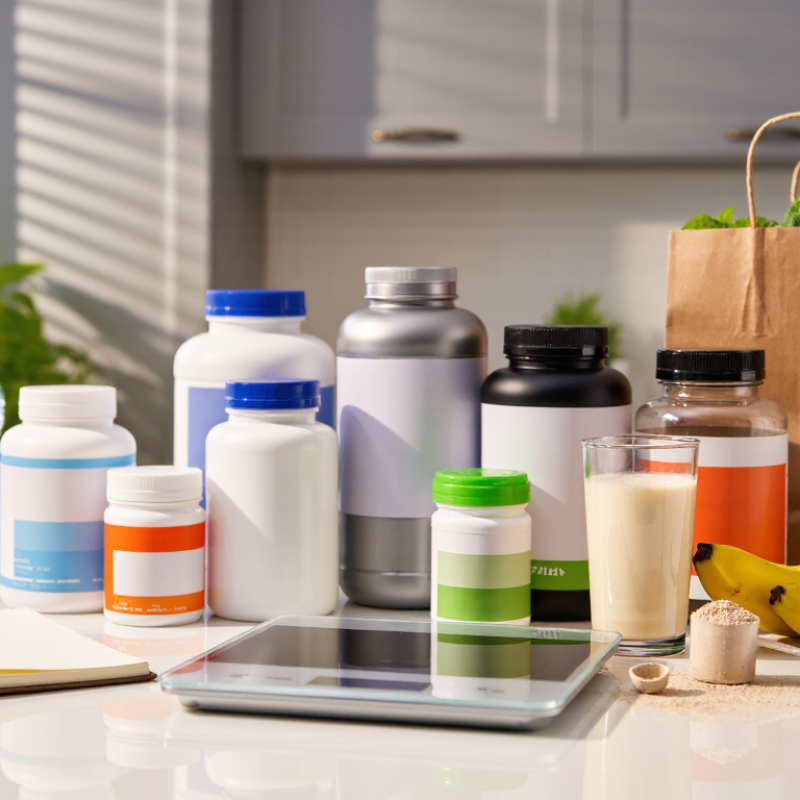
Liquid meal supplements are formulated foods, not universal meal replacements. Their intended uses may include poor appetite, chewing difficulty, recovery, or increased nutrient needs. A clinician can help match the product to the situation. Needs differ widely. A drink suited to extra calories may not suit someone limiting sugar, sodium, or certain nutrients. Check the nutrition panel, serving size, protein, and calorie density. Read the allergen statement carefully. “Natural” wording proves little.
Buying decisions should fit the person’s daily routine. Choose a texture that feels manageable, especially when swallowing is tiring. Consider single-serving containers for work or travel. Check storage instructions, expiration dates, and refrigeration requirements. Look for clear ingredient quantities instead of bold front-label promises. Compare fiber, added sugars, and micronutrients, not only protein. A thinner drink may be easier to consume, but it can spill easily. Small details matter.
Taste testing helps, though one pleasant sip is not enough. Try a modest amount first and note fullness, digestion, and tolerance. I have seen people buy large packs before discovering an unpleasant aftertaste; that was avoidable. A supplement should support an eating plan, not quietly replace varied foods without guidance. People with diabetes, kidney disease, food allergies, or swallowing problems need individualized advice. Ask a registered dietitian, pharmacist, or physician when the purpose is unclear. Reassess the choice if appetite, weight, symptoms, or treatment changes.
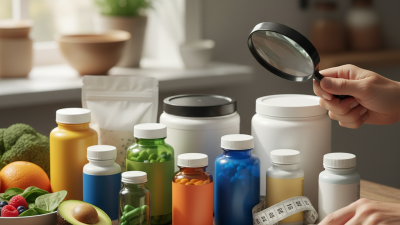
Liquid meal supplements can fill a genuine nutritional gap, but they are not automatic health upgrades. In practice, start with the missing nutrient, not the attractive container. Record three days of meals, appetite changes, exercise, and digestive symptoms. Start with the gap. A registered dietitian or clinician can help interpret this pattern, especially with diabetes, kidney disease, allergies, or swallowing problems. Personal needs vary more than advertisements suggest.
Read the nutrition panel carefully. Check protein, calories, fiber, added sugar, sodium, and key vitamins. Ingredients appear by weight, so the first few deserve close attention. Choose a product that supports your actual diet rather than duplicating every supplement you already take. Labels can mislead. Terms like “natural” or “complete” do not guarantee suitability. I once overlooked serving size and underestimated the calories by nearly half.
Consider texture, taste, storage, and cost because practical use affects nutritional value. A bottle left unopened provides nothing. Watch for lactose, soy, gluten, sugar alcohols, herbal extracts, and possible medication interactions. Keep a simple response log for fullness, energy, bowel changes, and allergic symptoms. Stop using it and seek professional advice after concerning reactions. I still find label comparisons tiring, and my first choice is not always the best one. That uncertainty deserves review, not confident guessing.
Assess your nutritional needs, compare ingredients, and use the benchmarks below to identify possible dietary gaps when reviewing a liquid meal supplement label.
The chart shows selected U.S. FDA Daily Values for a 2,000-calorie diet. Use these figures as label-comparison benchmarks, not as personalized medical advice. Check protein, fiber, saturated fat, added sugars, and total fat, then consider micronutrients and dietary restrictions.
Source: U.S. Food and Drug Administration, Daily Value and Reference Amounts Used on Nutrition Facts Labels.
Liquid meal supplements are not interchangeable. A 250-millilitre bottle may provide 200 calories, while another offers more than 500. Compare energy, protein, fibre, and micronutrients per serving, not per bottle. BAPEN’s 2023 Nutrition Screening Week materials report that about one in seven people entering hospitals, care homes, or mental-health units may be malnourished. That figure makes formula selection more than a shopping decision.
Tip 1: Define the purpose. Weight maintenance, recovery, or appetite loss needs different nutrition.
Tip 2: Check protein quantity and source.
Tip 3: Compare serving sizes carefully. Two small bottles may equal one large serving.
Tip 4: Review added sugars and saturated fat.
Tip 5: Look for fibre when digestion allows it. Too much can feel uncomfortable.
Tip 6: Read allergen statements twice.
Tip 7: Check sodium if fluid retention or blood pressure matters.
Tip 8: Inspect the expiry date and seal. Small details matter.
Tip 9: Prefer transparent labels with complete nutrient amounts. “High protein” alone says little. Tip 10: Seek independent quality testing where available, since label accuracy and contamination controls can vary.
The U.S. National Academies’ dietary reference values show that nutrient needs depend on age, sex, and health status, not marketing categories. I would also record fullness, taste, and tolerance for three days. My checklist is imperfect; even a technically balanced formula may fail if it remains unopened in the cupboard. Consult a qualified clinician when supplements replace meals or medical conditions are involved.
10 Tips for Buying Liquid Meal Supplements
A liquid meal supplement can seem convenient when chewing feels difficult or appetite disappears. I have learned that convenience should never replace a label check. Tip 1: Inspect the seal, expiry date, serving size, calories, protein, and storage instructions. Choose products with clear ingredient lists and reliable nutrition information. Tip 2: Compare added sugar and sodium carefully. A small bottle may contain more than expected.
Allergens deserve close attention. Tip 3: Look for milk, soy, egg, wheat, nuts, and other declared allergens. “Free from” wording can vary, so confirm the statement with the manufacturer when an allergy is severe. Tip 4: Check for cross-contact warnings. Even a familiar-looking product may not suit someone with a serious allergy. Keep the bottle away from shared foods, too.
Medical conditions can change the safest choice. Tip 5: Ask a dietitian, doctor, or pharmacist before using a supplement for diabetes, kidney disease, liver disease, heart failure, or swallowing problems. Tip 6: Review fiber, potassium, phosphorus, and fluid content when these nutrients matter. Tip 7: Bring the full label to a medication review. Supplements may affect blood sugar, fluid balance, or the absorption of some medicines. Tip 8: Avoid taking it automatically with every pill. Timing may matter. Tip 9: Start with a small amount if advised, and watch for bloating, rash, vomiting, or breathing difficulty. Stop and seek urgent help for serious allergic symptoms. Tip 10: Record the product, time, and symptoms for several days. Memory is imperfect, and patterns can be easy to miss.
Tip 1: Match the liquid meal supplement to your actual nutritional needs. Check calories, protein, fiber, sugar, and allergens on the nutrition panel. A dietitian or healthcare professional can help when you have diabetes, swallowing difficulties, or kidney concerns. “More protein” is not always better.
Tip 2: Examine the container before buying. The seal should be intact, and the expiration date should allow enough time for use. Choose a product with clear ingredient amounts and preparation instructions. I once focused too much on calorie content and overlooked the fiber level. That was a useful mistake. Also, check whether the product is ready to drink or requires dilution.
Tip 3: Purchase from a reputable pharmacy, healthcare supplier, or established retailer. Avoid sellers with unclear contact details or unusually low prices. Reliable sources should provide batch information, returns guidance, and proper storage during delivery. A warm package can be a warning sign for temperature-sensitive products. Ask questions before ordering.
Store unopened bottles according to the label, usually in a cool, dry place away from sunlight. Refrigerate opened products promptly, and use them within the stated time. Do not freeze them unless the instructions permit it. Keep bottles clean and closed. Storage advice can vary, so the label matters more than general online tips.
| No. | Buying Tip | What to Check | Practical Benchmark | Why It Matters | Storage or Purchase Action |
|---|---|---|---|---|---|
| 1 | Match the product to the intended use | Confirm whether the product is designed as a meal supplement, a snack, or a medical nutrition product. | Compare calories, protein, fat, carbohydrates, vitamins, and minerals per serving with your dietary needs. | Products differ substantially in energy and nutrient content; a beverage labeled as a supplement may not provide a nutritionally complete meal. | Ask a qualified healthcare professional for guidance if the product will replace meals or is used for weight management, illness, or recovery. |
| 2 | Read the Nutrition Facts panel | Review serving size, calories, protein, fiber, added sugars, sodium, and key micronutrients. | Compare products using the same serving volume, such as per 240 mL or per bottle, rather than relying only on front-label claims. | A larger bottle or serving can make a product appear more nutrient-dense when the actual nutrient amount is unchanged. | Save a photo of the label before purchase and check whether the declared serving matches the amount you plan to consume. |
| 3 | Evaluate protein and fiber content | Check the grams of protein and dietary fiber per serving, along with the protein source. | Use the label to compare options; products vary widely, so select an amount consistent with your personal nutrition plan. | Protein and fiber can affect satiety and overall nutritional value, but higher amounts may not suit people with certain medical conditions. | Choose based on tolerance and dietary restrictions; seek medical advice if you have kidney disease or a prescribed low-fiber diet. |
| 4 | Check allergens and dietary compatibility | Look for milk, soy, egg, wheat, nuts, sesame, and other allergen statements, plus vegan, halal, or gluten-free claims where relevant. | Read the full ingredient list every time, even when the front label says “free from” a particular ingredient. | Formulas and manufacturing facilities may change, and intolerance is not always apparent from the product name. | Contact the seller or manufacturer for clarification when allergen information is incomplete; do not rely on online reviews for safety decisions. |
| 5 | Inspect the package and seal | Verify that the cap, inner seal, bottle, pouch, or carton is intact and free from leaks, swelling, dents, or unusual odor. | Reject products with broken tamper-evident seals, damaged containers, or unclear labeling. | Damage can compromise product integrity and may indicate poor handling during storage or transportation. | Photograph damaged packaging, keep the receipt, and request a replacement or refund instead of consuming it. |
| 6 | Check the expiration date and lot code | Locate the expiration or best-before date and confirm that the lot or batch code is legible. | Prefer sufficient remaining shelf life for the planned use; avoid products with missing or altered date markings. | Quality and sensory characteristics can decline over time, especially after opening or exposure to heat and air. | Record the opening date and follow the label’s “use within” instruction rather than relying only on the unopened-package date. |
| 7 | Follow the storage instructions | Determine whether the unopened product requires room-temperature storage, refrigeration, protection from light, or other conditions. | Use only the temperature range printed on the package; refrigeration requirements vary by formulation. | Improper temperature or light exposure can affect quality and may shorten usable life. | Store in a cool, dry place away from direct sunlight unless the label specifies refrigeration. Do not freeze unless instructed. |
| 8 | Handle opened products safely | Check the label for the required refrigeration temperature and the time limit after opening. | Refrigerate promptly when directed, keep the cap closed, and never drink directly from a container intended for later use. | Once opened, liquid products may be exposed to microorganisms and repeated temperature changes. | Use clean cups or utensils, avoid leaving the product at room temperature for extended periods, and discard it when the stated time limit is reached. |
| 9 | Choose a reliable purchase source | Check seller identity, contact details, return policy, product photos, lot information, and shipping conditions. | Prefer authorized or established retailers that provide traceable invoices and clear handling information. | Unknown sellers may provide counterfeit, expired, improperly stored, or inaccurately labeled products. | For temperature-sensitive products, confirm delivery timing and packaging before ordering; avoid parcels likely to sit in heat. |
| 10 | Compare total cost and suitability | Compare price per serving, nutrient amount per serving, shipping fees, storage needs, and expected waste. | Calculate: total purchase cost ÷ number of usable servings, then compare products with similar nutritional profiles. | A lower price per bottle may not be economical if the bottle contains fewer servings or spoils before use. | Buy a small quantity first, confirm tolerance and convenience, and avoid bulk purchases unless the shelf life and storage capacity are suitable. |
Note: Product labels and storage requirements vary. Always follow the package instructions and consult a qualified healthcare professional when using liquid meal supplements for a medical condition, pregnancy, childhood nutrition, or prescribed dietary therapy.
Please visit our Flavor List for inspiration and contact Custom Flavors to discuss your specific flavor needs.
© 2025 Custom Flavors. All Rights Reserved.

"*" indicates required fields