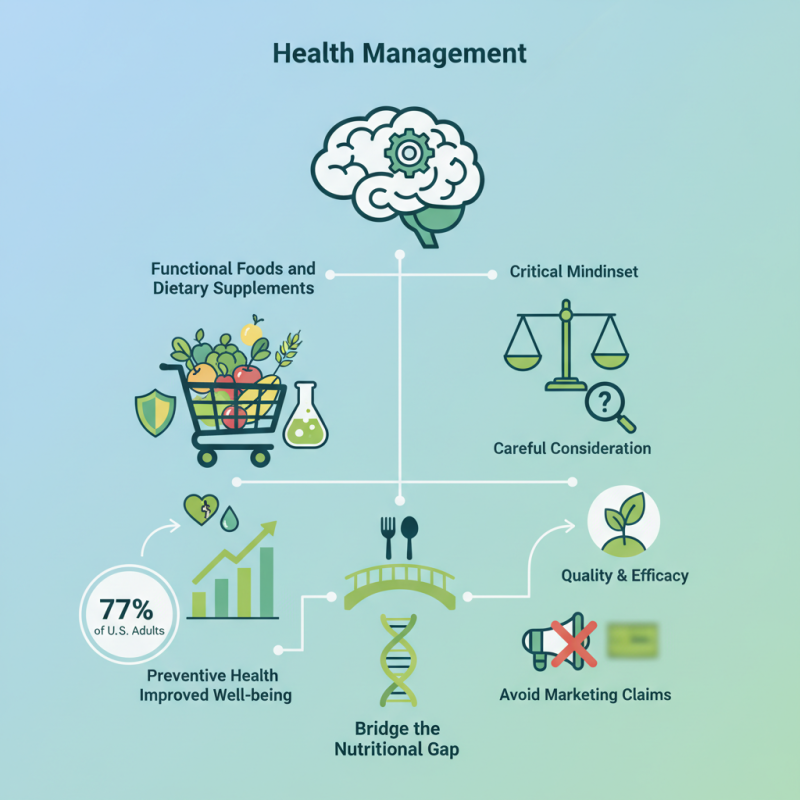
Functional foods and dietary supplements play a significant role in modern health management. According to the Council for Responsible Nutrition, approximately 77% of U.S. adults use dietary supplements regularly. This growing trend reflects a shift towards preventive health measures. Consumers increasingly seek ways to improve wellbeing through "functional foods and dietary supplements."
Dr. Susan Bowerman, a renowned nutrition expert, stated, “Functional foods and dietary supplements can bridge the gap in our diets." These products offer essential nutrients often lacking in everyday meals. Their potential benefits can greatly enhance health outcomes in individuals.
However, it's important to approach these products with a critical mindset. Not all functional foods and dietary supplements are created equal. Some may not deliver on their promises or could even interact negatively with medications. Navigating this industry requires careful consideration and informed choices. Consumers need to emphasize quality and efficacy over mere marketing claims.
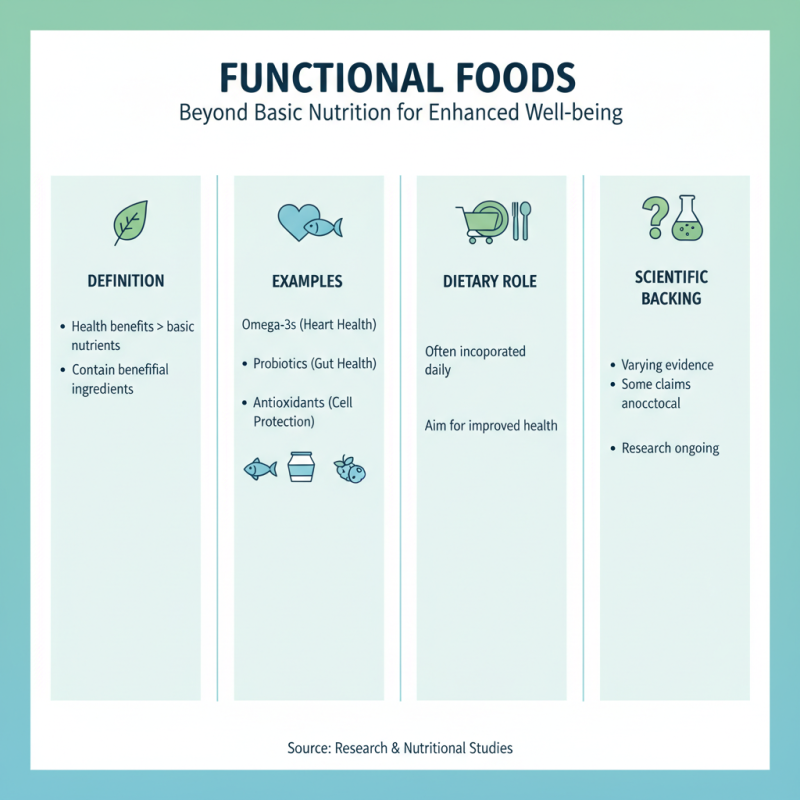
Functional foods are often defined as foods that provide health benefits beyond basic nutrition. They include ingredients that can enhance overall well-being. For instance, foods rich in omega-3 fatty acids support heart health. Many people incorporate these foods into their daily diet, hoping to improve their health outcomes. However, the scientific backing for some claims is sometimes weak or anecdotal.
Dietary supplements, on the other hand, are products meant to add nutrients to the diet. These can include vitamins, minerals, herbs, and other botanicals. Some find them useful for filling dietary gaps. Yet the efficacy of many supplements is still debated. Quality varies significantly among products. Users might not always be aware of potential side effects or interactions with medications.
Choosing between functional foods and dietary supplements can be confusing. Both have benefits, but they are not substitutes for a balanced diet. Understanding individual health needs is crucial. Engaging with healthcare professionals can provide clarity on what works best. Consumers often have to navigate a landscape filled with marketing jargon and personal testimonies. This highlights the need for careful consideration and research.

Functional foods have a rich history. They date back thousands of years. Ancient civilizations used foods for health benefits. Fermented products like yogurt and kimchi provided gut health. These foods were not just sustenance; they played crucial roles in wellness and longevity.
In modern times, the concept of functional foods has evolved. The rise of dietary supplements reflects changing lifestyles. People seek convenience in their nutrition. However, the evidence behind many supplements is mixed. Scientific backing is not always there. This leads to questions about their actual benefits. Are we relying too much on quick fixes rather than balanced diets?
Education is vital in this landscape. Consumers must discern fact from marketing hype. Not all supplements are necessary. Whole foods often provide more nutrients. As we navigate this evolution, it’s essential to reflect on our choices. Simple, natural foods should remain at the forefront of our diet.
This bar chart illustrates the increasing consumer interest in functional foods and dietary supplements over the last two decades. The data reflects the percentage of consumers who incorporate these health products into their diets, highlighting trends from 2000 to 2020.
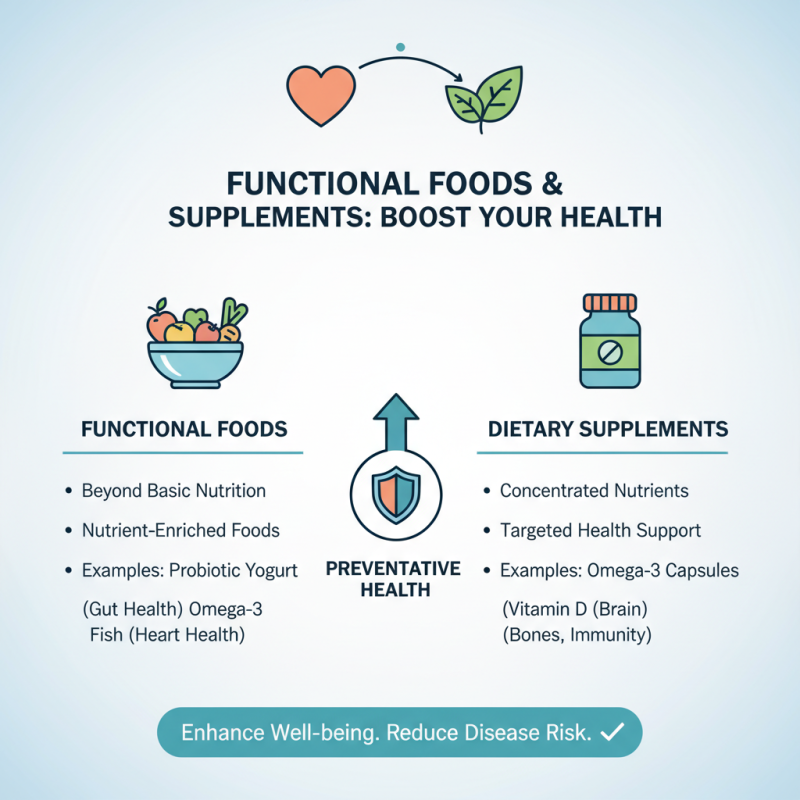
Functional foods and dietary supplements play a vital role in enhancing our health. These foods are enriched with nutrients that provide benefits beyond basic nutrition. For instance, probiotics found in yogurt can improve gut health. Omega-3 fatty acids in fish oil are known to support heart health. Many people turn to these foods for preventative measures. They aim to reduce the risk of diseases.
Moreover, dietary supplements can fill nutritional gaps. Busy lifestyles often lead to poor dietary choices. Meals may lack essential vitamins or minerals. In these cases, supplements can offer a convenient solution. However, relying solely on them can be misleading. Not all supplements are regulated, leading to potential risks. Overconsumption can cause adverse effects that many overlook.
The health benefits associated with functional foods and dietary supplements are significant. Yet, individual needs vary greatly. What works for one person might not suit another. Consulting a healthcare provider is essential before starting any new regimen. Balancing whole foods with supplements should be a thoughtful approach. Awareness and education can guide better choices for a healthier life.
The functional foods industry operates within a complex regulatory framework. Governments establish guidelines to ensure safety and efficacy. These rules help consumers make informed choices. However, the regulatory landscape can be confusing. Not all countries have the same standards or definitions for functional foods. This inconsistency can lead to misinformation.
Dietary supplements face similar challenges. Some may have health claims that are not fully substantiated. Testing procedures can vary widely. Consumers often rely on labels to know what they are taking. However, these labels can sometimes be misleading. It's crucial to critically evaluate the information presented.
The need for clearer regulations is evident. Many consumers are unaware of the potential risks. This lack of understanding can lead to overuse or misuse of products. Striking a balance between innovation and safety is vital. As the industry grows, so should the commitment to transparency and evidence-based practices.
Functional foods and dietary supplements play a significant role in promoting health. However, their use comes with various challenges and considerations. For instance, many consumers perceive supplements as a quick fix for health issues. This mindset can lead to over-reliance on these products, neglecting the basics of a balanced diet.
The quality of supplements is another concern. Not all products undergo rigorous testing. Sometimes, they may contain impurities or not provide the intended benefits. Consumers should do their research before choosing a product. Labels can be misleading, and not all claims are backed by science. It’s essential to consult healthcare professionals when integrating these into daily routines.
Moreover, the efficacy of functional foods can vary greatly. What works for one person may not work for another. Individual health conditions, lifestyles, and dietary habits can influence outcomes. It can be challenging to navigate this landscape. A critical approach is required to ensure these products enhance health rather than detract from it.
Please visit our Flavor List for inspiration and contact Custom Flavors to discuss your specific flavor needs.
© 2025 Custom Flavors. All Rights Reserved.

"*" indicates required fields