What are Nutraceuticals and Dietary Supplements Benefits?

Nutraceuticals and dietary supplements are becoming increasingly popular. Many people seek these products for health benefits. According to a report by the Council for Responsible Nutrition, approximately 77% of American adults take dietary supplements. The global nutraceutical market is projected to reach over $500 billion by 2028, reflecting a growing consumer trend.

People often believe that taking vitamins and herbal products guarantees better health. However, this belief may not always hold true. Some research suggests that not all supplements are effective for improving health outcomes. Consumers should carefully consider their needs and consult healthcare professionals before use.

Quality is another concern in the nutraceuticals dietary supplements industry. Many products lack rigorous testing, leading to questions about their efficacy and safety. Without proper regulation, the potency and purity of these supplements can vary significantly. This highlights the need for consumers to stay informed and skeptical about their choices.

What are Nutraceuticals and Dietary Supplements Benefits?

Definition and Overview of Nutraceuticals and Dietary Supplements

Nutraceuticals and dietary supplements are growing in popularity. They are products derived from food sources. These items are touted for their health benefits. Nutraceuticals typically include vitamins, minerals, herbs, and amino acids. Dietary supplements serve as a convenient way to enhance nutrition. They can help fill dietary gaps in our daily intake.

Many people turn to these products for various reasons. Some seek to improve their overall well-being. Others hope to support specific health conditions. For example, omega-3 fatty acids may aid heart health. Probiotics can benefit digestive function. However, not all claims are scientifically validated. Consumers should approach these products with caution.

There is a vast array of options available. Some may not work as expected. Quality can vary greatly between products. This makes it important to educate oneself. Researching ingredients and consulting healthcare professionals is wise. Nutraceuticals and dietary supplements could play a role in health, but they are not a cure-all. Mindful use and skepticism are essential.

What are Nutraceuticals and Dietary Supplements Benefits? - Definition and Overview of Nutraceuticals and Dietary Supplements

Type Description Key Benefits Common Ingredients
Vitamins Essential nutrients that support various bodily functions. Boost immune function, enhance energy levels, support skin health. Vitamin C, Vitamin D, B-complex vitamins.
Minerals Inorganic elements that are vital for health. Support bone health, regulate metabolism, maintain hydration. Calcium, Magnesium, Zinc.
Herbal Supplements Plant-derived extracts used for health benefits. Promote relaxation, improve digestion, enhance cognitive function. Ginseng, Turmeric, Echinacea.
Amino Acids Building blocks of proteins that are crucial for many functions. Support muscle growth, enhance recovery, boost metabolism. L-Glutamine, L-Carnitine, BCAAs.
Omega-3 Fatty Acids Essential fats important for brain and heart health. Reduce inflammation, support heart health, enhance brain function. Fish oil, Flaxseed oil, Chia seeds.

Types of Nutraceuticals and Dietary Supplements Available in the Market

The market for nutraceuticals and dietary supplements has been rapidly expanding. According to a recent market report, the global nutraceuticals market is projected to reach approximately $500 billion by 2023. This significant growth reflects an increasing consumer interest in health and wellness. Various types of nutraceuticals are available, including functional foods, probiotics, and omega-3 fatty acids. Each category offers distinct benefits that appeal to consumers seeking natural ways to enhance their health.

Functional foods, such as fortified snacks, provide essential nutrients that may not be present in a regular diet. Probiotics, live bacteria found in yogurt and supplements, support gut health and immune function. Omega-3 fatty acids, typically sourced from fish oil, have been linked to cardiovascular benefits. However, it’s crucial to approach these supplements with caution. Not all products are created equal, and quality can vary widely. Some may contain insufficient active ingredients or contaminants. According to industry experts, consumers should critically evaluate labels and consult healthcare providers before use.

As the market grows, so does the diversity of products. Herbal supplements, vitamins, and minerals are all part of this expanding landscape. Each offers unique advantages. Yet, they can also pose risks. Misunderstanding dosage can lead to adverse effects. Many people overlook the importance of professional guidance. Therefore, consumers must remain informed and skeptical when exploring these options in the market.

Health Benefits of Nutraceuticals: Evidence and Research Findings

What are Nutraceuticals and Dietary Supplements Benefits?

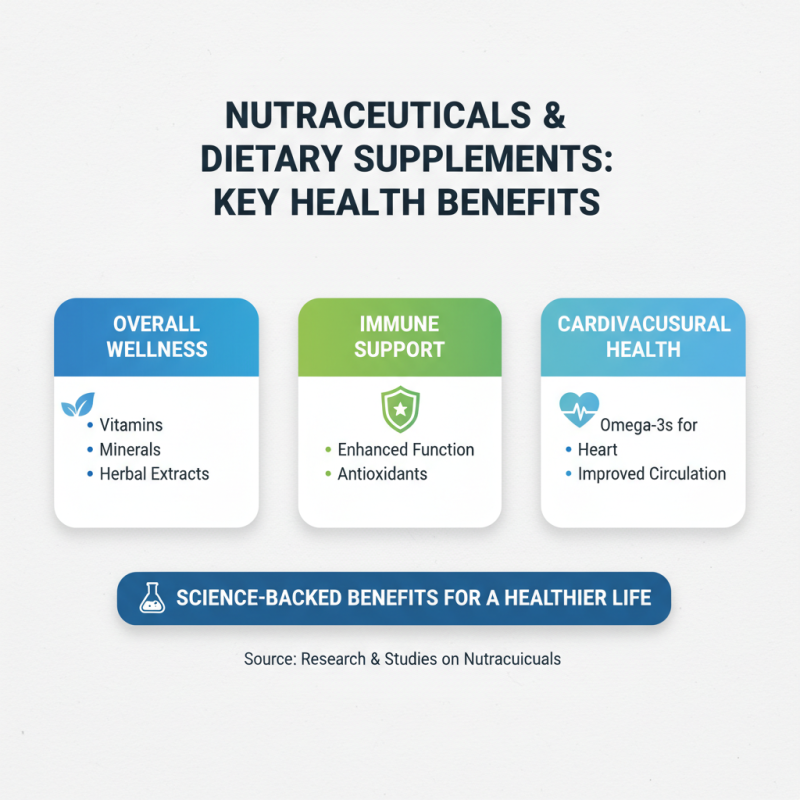
Nutraceuticals and dietary supplements offer numerous health benefits backed by research. These products, which include vitamins, minerals, and herbal extracts, can support overall wellness. Studies indicate they may enhance immune function and improve cardiovascular health. For instance, omega-3 fatty acids are known for their role in heart health.

Tips for incorporating nutraceuticals effectively: Start slowly. Introduce one supplement at a time. This helps track any side effects. It’s wise to consider your specific health needs. Not every supplement is suitable for everyone. Overuse can lead to adverse effects.

Research shows that certain nutraceuticals can aid in managing chronic conditions. Curcumin, found in turmeric, has anti-inflammatory properties. However, reliance on supplements instead of whole foods may not be ideal. Strive for a balanced diet rich in fruits, vegetables, and whole grains. Remember, supplements should complement, not replace, healthy eating habits.

Potential Risks and Side Effects of Nutraceuticals and Dietary Supplements

What are Nutraceuticals and Dietary Supplements Benefits?

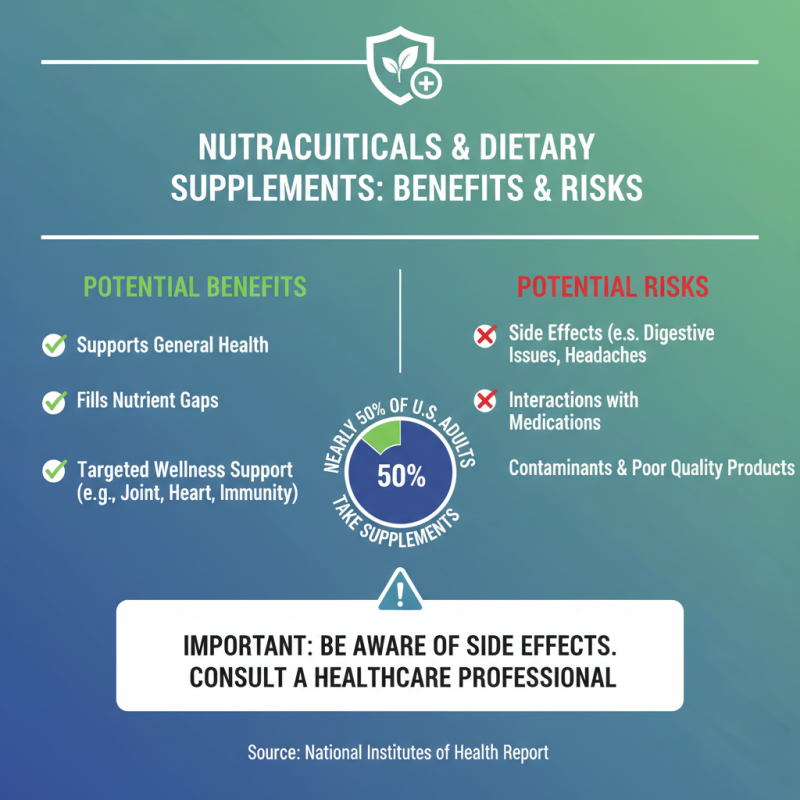
Nutraceuticals and dietary supplements offer potential health benefits but also come with risks. Users must be aware of side effects associated with these products. According to a report from the National Institutes of Health, nearly 50% of adults in the U.S. take dietary supplements. While many find benefits, some experience adverse effects.

One concern is the lack of regulation. Many supplements are not evaluated for safety before reaching the market. This opens the door for harmful substances. A study in the Journal of Clinical Pharmacology found that 20% of herbal supplements contained unlisted ingredients. Users may unintentionally consume products that interact poorly with medications, leading to health risks.

**Tip:** Always consult healthcare professionals before starting any new supplement. Monitor how your body reacts, especially if you have underlying health conditions.

Another important factor is dosage. Taking higher than recommended amounts can cause negative effects. For example, excessive vitamin A can lead to toxicity. The American Journal of Clinical Nutrition states that individuals should adhere to recommended daily allowances.

**Tip:** Keep a log of any supplements you take and their effects. This can help identify harmful reactions. Remember, more isn't always better.

Guidelines for Choosing Quality Nutraceuticals and Dietary Supplements

When choosing quality nutraceuticals and dietary supplements, consumers should consider several essential guidelines. First, look for transparency in ingredient sourcing. Many products claim to be natural but may contain fillers or additives. According to a report by the Council for Responsible Nutrition, around 40% of consumers are unaware of what's in their supplements. Always read labels and research the manufacturers’ sourcing practices.

Second, check for third-party testing. Independent testing can provide assurance of product purity and potency. The United States Pharmacopeia (USP) indicates that products meeting their standards are less likely to contain harmful levels of impurities. Furthermore, research estimates that only about 30% of dietary supplements on the market are verified for quality. It's crucial to seek out transparent brands committed to safety and efficacy.

Third, understand personal health needs before selecting supplements. A study published in the Journal of the American College of Nutrition showed that many consumers take supplements without tailored advice from professionals. Individual health conditions or medications can affect how well a supplement works. It’s vital to consult with healthcare providers for guidance based on specific health profiles.