How to Choose the Right Sports Nutrition Supplements for Optimal Performance
In the competitive landscape of athletic performance, the significance of sports nutrition supplements has never been more pronounced. According to a report by the International Society of Sports Nutrition, over 70% of athletes incorporate dietary supplements into their training regimens to enhance performance and recovery. These supplements can range from protein powders and amino acids to vitamins and minerals, each playing a pivotal role in an athlete's overall nutrition strategy. The proper selection of these products is crucial, as the right sports nutrition supplements can optimize energy levels, improve endurance, and facilitate muscle recovery, ultimately leading to improved athletic outcomes.
Moreover, a study published in the Journal of the International Society of Sports Nutrition highlights that athletes who strategically use supplements tailored to their specific needs can improve their performance by 20% or more. This statistic underscores the importance of individualized supplementation, particularly in a field where every fraction of a second can make a significant difference. With an overwhelming assortment of products available in the market, understanding how to select the right sports nutrition supplements is essential for athletes aiming for peak performance. As nutrition science continues to evolve, equipping oneself with the knowledge to choose the appropriate supplements is not just beneficial, but necessary for those serious about their athletic pursuits.

Understanding Your Nutritional Needs for Sports Performance
Understanding your nutritional needs is crucial for optimizing sports performance. Every athlete's body is unique, requiring a tailored approach to nutrition that aligns with their specific sport, goals, and individual physiology. Factors such as the intensity and duration of training, body composition goals, and personal metabolic rates all play significant roles in determining nutritional requirements. For instance, endurance athletes may need more carbohydrates to fuel prolonged exercise, while strength athletes might prioritize protein for muscle recovery and growth.
To meet these needs, it's essential to incorporate a variety of nutrients into your diet. Macronutrients – carbohydrates, proteins, and fats – should be balanced to support energy production, muscle repair, and overall health. Additionally, micronutrients such as vitamins and minerals play vital roles in metabolic processes and recovery. A well-rounded diet that includes a mix of whole foods can often meet these needs, but supplements may be beneficial for bridging any gaps.
However, before considering supplementation, it's critical to assess what your body specifically requires and consult with a nutritionist or healthcare provider to create a personalized plan that enhances performance without compromising health.
Types of Sports Nutrition Supplements and Their Benefits
When it comes to optimizing athletic performance, understanding the various types of sports nutrition supplements is essential. Protein supplements, including powders and bars, are popular among athletes aiming to increase muscle mass and enhance recovery. They provide the necessary amino acids to support muscle repair after intense workouts, facilitating quicker recovery times and improved performance during subsequent training sessions. For those engaged in endurance sports, carbohydrate supplements, such as gels and drinks, offer a quick source of energy to replenish glycogen stores and maintain performance levels during prolonged exercise.
Another category of sports nutrition supplements includes vitamins and minerals, which play crucial roles in overall health and performance. B-vitamins, for example, are important for energy metabolism, while antioxidants help combat oxidative stress caused by intense training. Additionally, omega-3 fatty acids are beneficial for reducing inflammation and supporting joint health. Finally, creatine is a well-researched supplement known to enhance strength and power output, making it a staple for athletes involved in high-intensity sports. Understanding the benefits of these various supplements enables athletes to make informed choices tailored to their specific performance goals.
How to Assess the Quality of Sports Supplements
When it comes to selecting sports nutrition supplements, assessing their quality is crucial for athletes seeking optimal performance. One of the first steps is to examine the ingredient list. Look for supplements that contain evidence-based ingredients backed by scientific research, avoiding products with proprietary blends that obscure exact dosages. Transparency in labeling can indicate a reputable manufacturer committed to quality.
Another important factor is third-party testing. Supplements that have undergone independent testing are more likely to meet quality standards and be free from contaminants. Certifications from recognized organizations can provide additional assurance that the product has been evaluated for potency and purity. Furthermore, examining the company’s reputation within the sports nutrition community can offer insights into their reliability and commitment to consumers. By prioritizing these quality indicators, athletes can make informed choices that support their performance goals.
How to Choose the Right Sports Nutrition Supplements for Optimal Performance
This bar chart illustrates the distribution of common sports nutrition supplements and their average effectiveness ratings based on user feedback. Understanding these can help you in assessing which supplements may be beneficial for your performance.
Timing and Dosage: Maximizing Supplement Efficacy
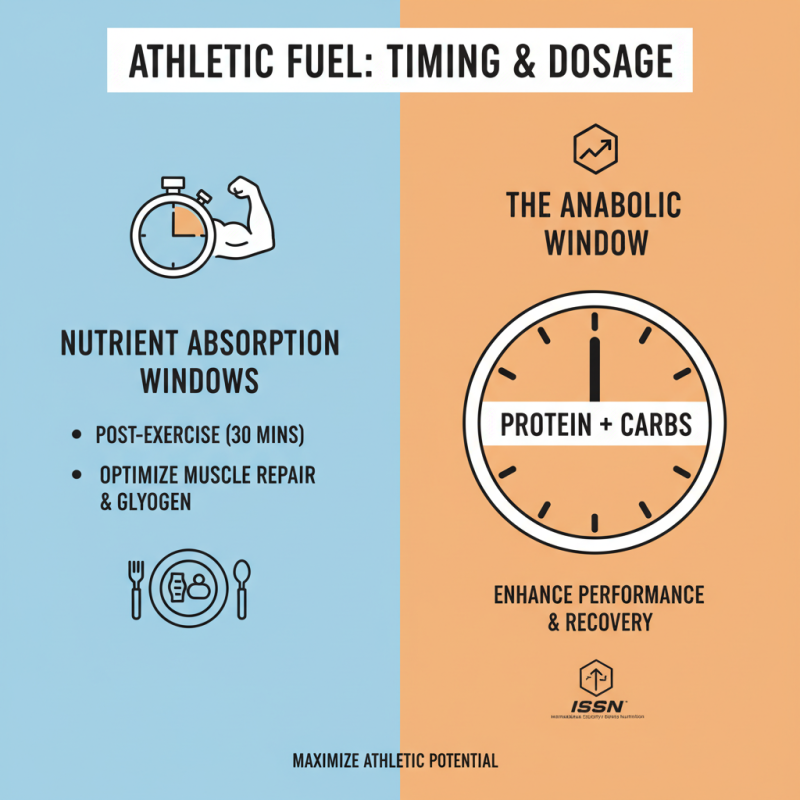
When it comes to maximizing the efficacy of sports nutrition supplements, timing and dosage are critical components that can significantly influence performance outcomes. Research indicates that the body has specific windows for nutrient absorption, where the timing of consumption can enhance performance and recovery. According to the International Society of Sports Nutrition, consuming protein and carbohydrates within 30 minutes post-exercise can optimize muscle repair and glycogen replenishment, essential for athletes engaged in high-intensity training. This crucial window, known as the "anabolic window," suggests that proper timing can lead to improvements in overall athletic performance.
Dosage also plays a vital role in the efficacy of supplements, as it directly impacts their physiological effects. The American College of Sports Medicine recommends dosages of approximately 1.2 to 2.0 grams of protein per kilogram of body weight for athletes, depending on the intensity and duration of their training. Additionally, the correct dosing of branched-chain amino acids (BCAAs), typically around 5 to 10 grams taken before or after workouts, has been shown to significantly reduce muscle soreness and promote recovery, aiding athletes in maintaining optimal training regimens. Understanding both the timing and appropriate dosage of supplements can empower athletes to harness their full potential and achieve peak performance levels.
Common Misconceptions About Sports Nutrition Supplements
When it comes to sports nutrition supplements, misconceptions abound that can mislead athletes and fitness enthusiasts. One common myth is that these supplements are a magic solution for instant performance improvement. Many individuals believe that simply taking a protein powder or a pre-workout drink will automatically enhance their training results. In reality, supplements are meant to complement a well-rounded diet and training regimen; they cannot replace the fundamental importance of nutrition and consistent effort in achieving athletic goals.
Another prevalent misunderstanding is the idea that all supplements are safe and beneficial. Athletes often assume that because a product is marketed for sports performance, it must be effective and free from harmful ingredients. However, the supplement industry is loosely regulated, and not all products undergo rigorous testing for quality and efficacy. This can lead to athletes consuming products that might not provide the promised benefits or could even be detrimental to their health. It’s crucial for consumers to research thoroughly, consult with healthcare professionals, and prioritize whole foods over processed supplements to ensure they are making informed choices for their performance and wellbeing.