How to Choose the Right Functional Food Supplements for Your Health Needs?
In today's health-conscious world, choosing the right functional food supplements can be overwhelming. Experts like Dr. Emily Thompson, a renowned nutritionist, emphasize the importance of informed decisions. She states, "Not all supplements are created equal; choose wisely for your unique needs."
Functional food supplements promise various health benefits. However, not every product on the market suits everyone. Understanding your specific health goals is crucial. Some may seek increased energy; others may aim for better digestion or immune support. With so many options available, it’s easy to feel confused.
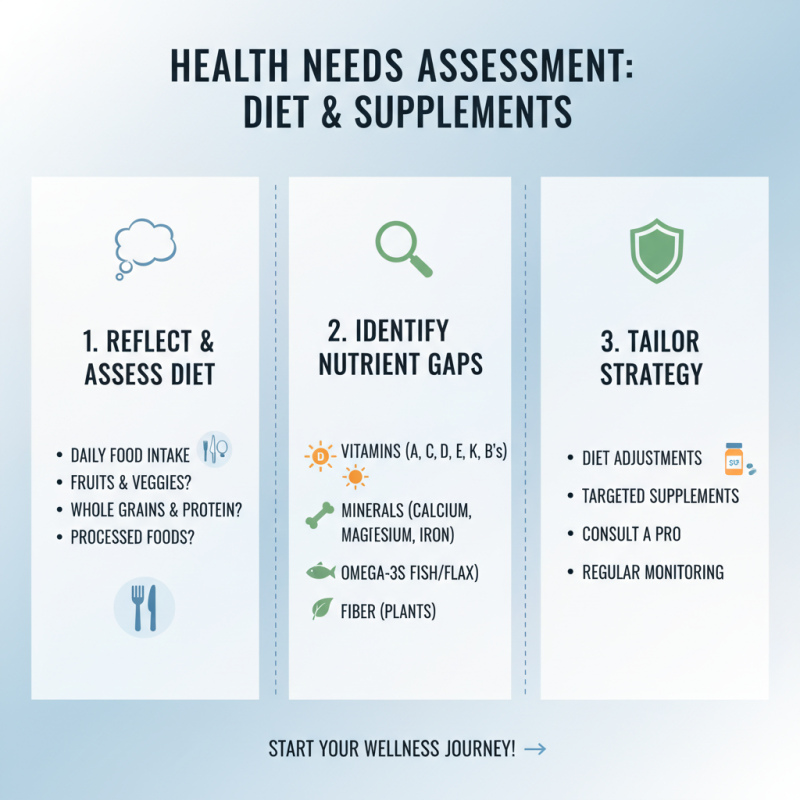
When selecting functional food supplements, consider their ingredients and potential effects. It’s easy to overlook the fine print. Too often, people focus on catchy marketing rather than the real benefits. Remember, effective supplementation is about quality, not just quantity. Reflect on what your body needs, and don't hesitate to consult a professional. The journey to better health through functional food supplements is personal, and making informed choices is key.

Understanding Functional Food Supplements: Definition and Types
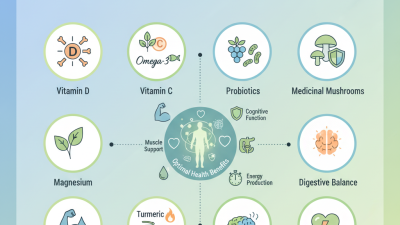
Functional food supplements are gaining popularity as individuals seek to enhance their overall health. But what exactly are they? These supplements are derived from foods that provide health benefits beyond basic nutrition. They include vitamins, minerals, probiotics, and omega-3 fatty acids, among others.
Understanding the types of functional food supplements is essential. According to a report by Grand View Research, the global functional food market is expected to grow at a compound annual growth rate of 8.5% from 2021 to 2028. This growth reflects a shift in consumer preferences towards preventive health measures. For instance, probiotics, found in yogurt and fermented foods, promote gut health and can improve digestion. Yet, the efficacy of these supplements can vary significantly. Not every product on the market delivers the promised benefits.
It's crucial to assess personal health needs before choosing a supplement. A survey by the Council for Responsible Nutrition revealed that 77% of Americans take dietary supplements, but many do not consult healthcare professionals first. This lack of guidance can lead to misunderstandings of what supplements are truly beneficial. One must weigh the necessity and potential impact of each supplement carefully. Are they truly needed?
Choosing Functional Food Supplements for Health Needs
This chart represents the popularity of different types of functional food supplements among consumers. Vitamins hold the highest preference, followed by minerals and probiotics. Omega-3 and fiber are less popular but still serve specific health needs.
Evaluating Ingredients: What to Look for in Supplements
When selecting functional food supplements, evaluating ingredients is crucial. Not all supplements are created equal. According to a recent analysis by the Council for Responsible Nutrition, around 77% of adults use supplements to improve their health. However, many do not fully understand the ingredients in their chosen products. This can lead to ineffective or even harmful choices.
Look for supplements containing well-researched ingredients. For instance, omega-3 fatty acids may promote heart health, while probiotics support gut health. A study from the Journal of Functional Foods showed that consumers often overlook dosages. Effective doses are key for benefits. It's important to ensure each ingredient is backed by scientific evidence. If a supplement boasts exotic ingredients with little research, it may warrant further scrutiny.
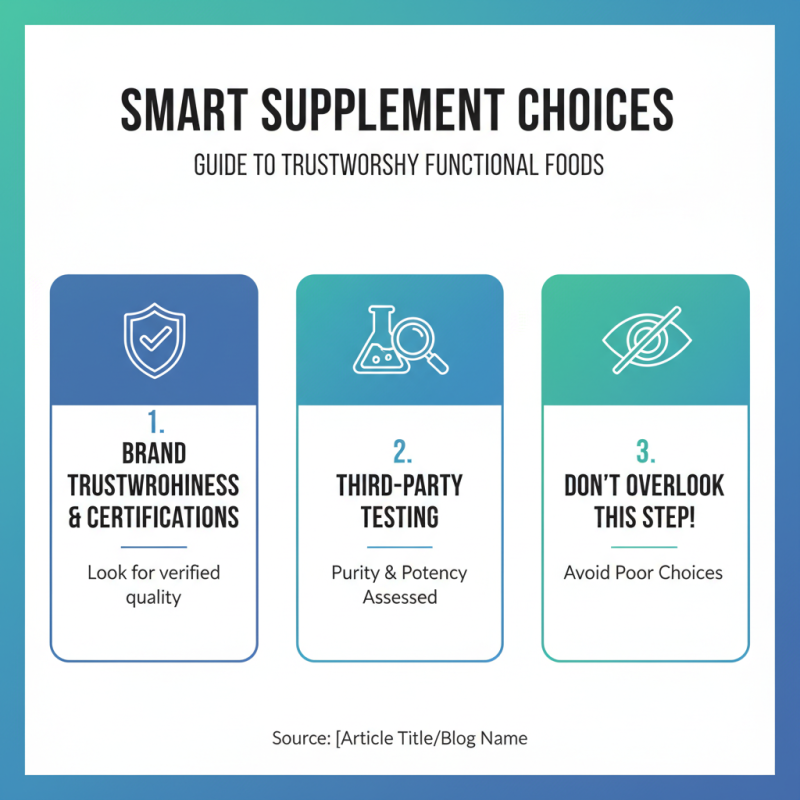
Be cautious of vague labeling. Terms like "natural" can be misleading. Always check for third-party testing to guarantee quality. According to the ConsumerLab, almost 50% of supplements tested did not contain the labeled amounts of key ingredients. Engaging with reliable information can protect your health. Make informed choices that align with your wellness goals.
How to Choose the Right Functional Food Supplements for Your Health Needs? - Evaluating Ingredients: What to Look for in Supplements
| Supplement Type |
Key Ingredients |
Health Benefits |
Recommended Daily Dosage |
| Omega-3 Fatty Acids |
EPA, DHA |
Supports heart health, reduces inflammation |
250-500 mg |
| Probiotics |
Lactobacillus, Bifidobacterium |
Improves gut health, boosts immunity |
1-10 billion CFU |
| Vitamin D |
Cholecalciferol |
Supports bone health, enhances mood |
600-800 IU |
| Magnesium |
Magnesium Citrate |
Promotes muscle and nerve function, supports energy production |
310-420 mg |
| Curcumin |
Curcuma longa extract |
Anti-inflammatory, antioxidant properties |
500-1000 mg |
Consulting Professionals: When to Seek Expert Advice on Supplements
Choosing the right functional food supplements can be complex. It’s crucial to know when to reach out to health professionals for guidance. Research indicates that nearly 60% of individuals take supplements without consulting a healthcare provider. This can lead to potential risks.
Professional advice helps to understand your specific health needs. A registered dietitian can assess your dietary intake and suggest appropriate supplements. For example, individuals with certain conditions may require specific vitamins, like Vitamin D for osteoporosis or Omega-3 fatty acids for heart health. Without proper consultation, you might overlook important interactions between supplements and medications.
Expert advice becomes essential when navigating the wide variety of options available. The FDA does not regulate supplements as strictly as medications. This means the quality can vary significantly. A health professional can help differentiate effective supplements from those with less scientific backing. Tailored guidance can improve health outcomes and ensure safety, especially for vulnerable populations like the elderly or those with chronic conditions.