How to Choose the Best Sports Supplements for Optimal Performance?

Choosing the best sports supplements can significantly impact athletic performance. Athletes often seek ways to enhance their energy, strength, and endurance. Sports supplements promise to deliver these benefits. However, navigating the range of options available is challenging.

Many products claim to boost performance, but not all are effective or safe. It's essential to consider the ingredients and scientific backing of each supplement. Look for products backed by research and created by reputable brands. Personal experiences vary, so what works for one athlete might not suit another.

Reflecting on your unique goals and needs is crucial. Assess your diet, training regimen, and health status before choosing. Keep in mind that reliance on supplements should not replace a balanced diet. Effective supplementation can complement your efforts, but it shouldn't be the only strategy for success.
How to Choose the Best Sports Supplements for Optimal Performance?

Understanding Your Nutritional Needs for Sports Performance

Understanding your nutritional needs is essential for optimal sports performance. Athletes should assess their specific requirements based on their activity level. Macronutrients like carbohydrates, proteins, and fats play vital roles. Carbs are the main energy source, while proteins support muscle repair. Fats offer long-lasting fuel. Without balanced intake, performance can suffer.

Hydration is equally crucial. Water regulates body temperature and maintains energy levels. Dehydration can lead to fatigue and diminished focus. Pay attention to your body’s signals. If you feel tired or sluggish, you might need more fluids.

Supplements can help fill the gaps in your diet, but they are not a substitute for whole foods. Always consult a healthcare professional before incorporating new supplements. Relying solely on them may lead to imbalances or deficiencies. Everyone’s body responds differently, so finding what works for you is important. It’s essential to stay informed and reflect on your nutrition choices regularly. Keep track of your performance and adjust as needed.


Types of Sports Supplements: What You Need to Know

Choosing the right sports supplements can greatly influence athletic performance. Various types cater to different needs. Protein powders, for example, are vital for muscle recovery. A study by the International Society of Sports Nutrition highlights that protein synthesis is optimized when consumed within 30 minutes post-exercise.

Creatine is another popular option. Research indicates that creatine can improve strength and increase muscle mass when used consistently. However, athletes must be cautious. Overuse can lead to dehydration and gastrointestinal issues. It's essential to find a balance that works for individual tolerance levels.

Further, branched-chain amino acids (BCAAs) may help reduce muscle soreness. While studies show mixed results, some athletes report positive effects in their recovery process. Yet, individualized responses vary. Not all supplements work for everyone. Understanding personal needs is crucial for optimal results. Always consult healthcare professionals before starting any new regimen.

How to Choose the Best Sports Supplements for Optimal Performance

This chart illustrates the popularity of different types of sports supplements based on market research. The data shows how often athletes and fitness enthusiasts use these supplements for optimal performance.

Evaluating Supplement Quality and Safety Standards

When considering sports supplements, evaluating quality and safety standards is crucial. A report from the Council for Responsible Nutrition indicates that around 70% of athletes use some form of dietary supplements. However, not all products meet safety standards. Certification from organizations like NSF International or Informed-Sport is vital. These certifications ensure products are tested for banned substances and contaminants.

Tips: Always look for third-party testing. It’s a reliable indicator of quality.

Many products may claim to enhance performance but lack adequate regulation. According to a study published in the Journal of Sports Science, as many as 25% of supplements could contain harmful substances. Consumers should research ingredients and sourcing. Transparency is key in evaluating a product’s credibility.

Tips: Read labels carefully. Be skeptical of vague ingredient lists.

Finally, understanding the difference between natural and synthetic ingredients can affect your decision. Natural products might have fewer side effects but may not be as effective. Reflect on your individual needs and consult healthcare professionals when necessary. Awareness of ingredient quality can make a significant difference in your performance journey.

Timing and Dosage: How to Maximize Effectiveness

When choosing sports supplements, timing and dosage play crucial roles. Research shows that timing your supplementation can significantly impact performance. For example, consuming protein shortly after exercise can enhance muscle recovery and growth. According to studies, a 20-30 gram protein intake within 30 minutes post-workout can maximize muscle protein synthesis by up to 50%.

Dosage matters too. Too little may not yield benefits, while too much can lead to adverse effects. A 2019 review highlighted that a daily intake of 1.6 to 2.2 grams of protein per kilogram of body weight supports optimal muscle growth for athletes. Adjustments depend on the individual’s body weight, workout intensity, and goals.

**Tips**: Identify your workout schedule to optimize timing. Consider taking supplements at strategic times to enhance absorption. Always use accurate dosing to avoid potential digestive issues. Avoid the lure of mega-dosing, as too high of a dose can lead to diminishing returns. Reflect on your body’s responses; adjustments may be needed. Balancing timing and dosage can unlock better performance and recovery.

How to Choose the Best Sports Supplements for Optimal Performance? - Timing and Dosage: How to Maximize Effectiveness

Supplement Recommended Dosage Best Timing Key Benefits
Whey Protein 20-30g post-workout Within 30 minutes post-exercise Muscle recovery, increased muscle mass
Creatine Monohydrate 5g daily Before or after workouts Increased strength, enhanced power
Branched-Chain Amino Acids (BCAAs) 5-10g before/after workouts Before and during exercise Reduced muscle soreness, muscle preservation
Beta-Alanine 2-5g daily Daily, not time-dependent Increased exercise capacity, enhanced endurance
Omega-3 Fatty Acids 1-3g daily With meals Improved joint health, reduced inflammation

Personalization: Tailoring Supplements to Individual Goals and Activities

How to Choose the Best Sports Supplements for Optimal Performance?

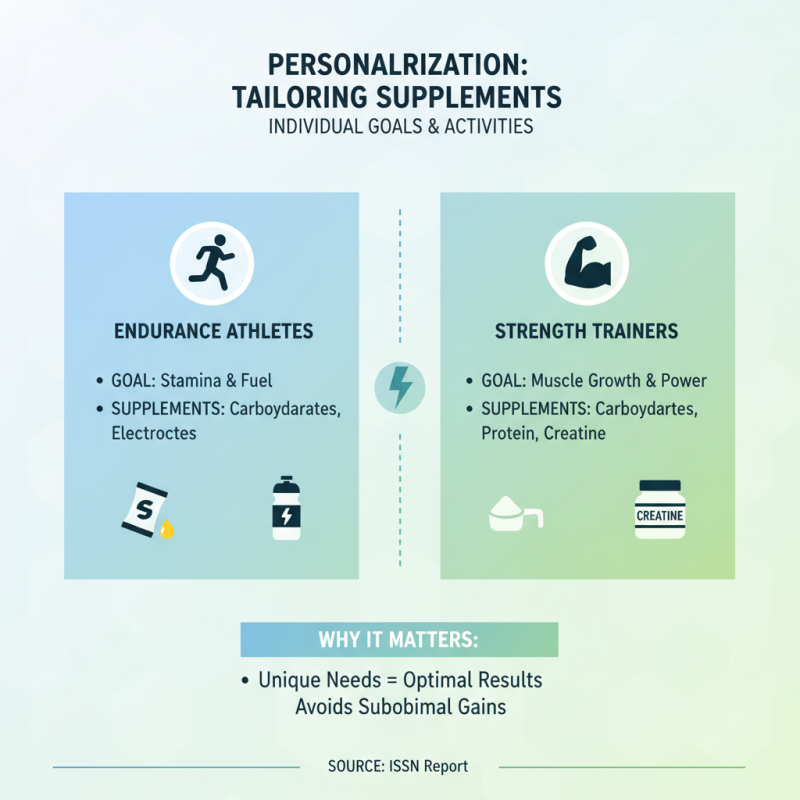
When selecting sports supplements, personalization is crucial. Different athletes have unique goals, body types, and activity levels. According to a report by the International Society of Sports Nutrition, alignment of supplementation with individual needs can yield performance gains. For instance, endurance athletes may benefit more from carbohydrates and electrolytes, while strength trainers might focus on protein and creatine. A one-size-fits-all approach often leads to suboptimal results.

Understanding personal needs starts with an honest assessment. Factors such as age, fitness level, and dietary preferences play significant roles. A survey by the American College of Sports Medicine highlights that tailored nutrition can improve athletic performance by up to 25%. However, athletes sometimes overlook essential micronutrients. For example, vitamin D is vital for muscle function. Many athletes may be unaware of their deficiency in this crucial nutrient. Tailoring supplements can prevent potential pitfalls while enhancing performance.

Combining science with personal feedback is essential. Keeping a food diary helps identify gaps in nutrition. This practice aids in refining supplement choices. However, some may hesitate to seek professional advice. Many are unaware of how beneficial a nutritionist's guidance can be. Evidence suggests that this support can lead to better compliance with supplement regimens and improved results. Personalization is not just a trend; it is a necessity for serious athletes aiming for optimal performance.