How to Choose the Best Meal Replacement Supplements for Your Diet?
Choosing the right meal replacement supplements requires careful consideration. With numerous options on the market, it's essential to know what to look for. Meal replacement supplements can be convenient for busy lifestyles, helping to meet nutritional needs on the go. However, not all products are created equal.
Nutritional quality is critical. Check for protein, fiber, vitamins, and minerals. Some supplements may contain excessive sugars or artificial ingredients. Transparency in labeling is important. Brands that share detailed ingredient lists showcase reliability. Look for products backed by research or created by nutrition experts.
Your unique dietary goals matter. Are you looking for weight loss, muscle gain, or simply convenience? Reflect on your needs and read reviews. Remember, meal replacement supplements should complement a balanced diet, not replace it entirely. A bit of trial and error can lead to finding the best fit for you.

Understanding Meal Replacement Supplements: Definitions and Types
Meal replacement supplements serve as convenient options for individuals seeking to manage their dietary intake. They are designed to provide essential nutrients in a compact form. Common types include shakes, bars, and powders. Each type offers different benefits, depending on one’s health goals.
Shakes often contain a balance of protein, carbohydrates, and fats. They can be easily consumed on-the-go.
Bars provide a good snack alternative. However, they may lack some nutritional diversity.
Powders allow for custom portion sizes and can be mixed with other ingredients. Yet, it can be easy to create a blend that doesn’t meet your needs.
Choosing the right type depends on lifestyle and nutritional goals. Some may prefer a quick shake, while others might enjoy a bar. Always check labels for nutrient content. It is important to consider dietary restrictions. Many supplements can contain allergens.
Finding the right fit requires some experimentation and reflection. Regularly reevaluate your choices to ensure they align with your health journey.
Key Nutritional Components to Consider in Meal Replacements
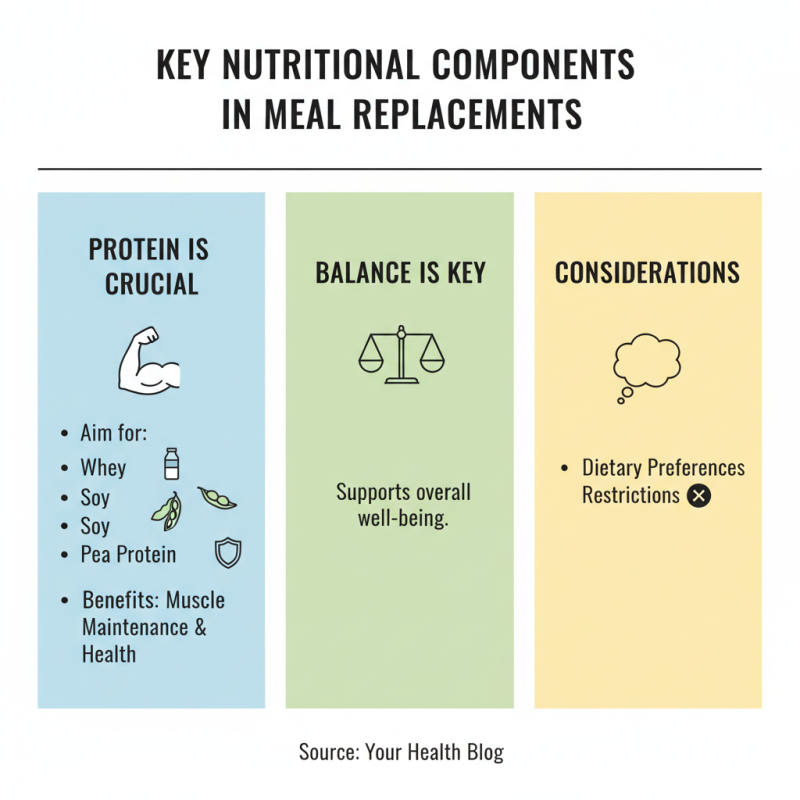
When selecting meal replacement supplements, assessing key nutritional components is essential. Protein is a crucial element. Aim for sources like whey, soy, or pea protein. Each provides unique benefits. A balanced protein content supports muscle maintenance and overall health. However, consider your dietary preferences and restrictions when choosing.
Carbohydrates are another vital factor. Look for complex carbohydrates over simple sugars. Whole grains or fiber-rich ingredients can help stabilize blood sugar levels. Too many simple carbs might lead to energy spikes and crashes. Additionally, include healthy fats, like omega-3s and monounsaturated fats, for optimal heart health and sustained energy.
Vitamins and minerals cannot be overlooked. A well-rounded formula should include essential micronutrients. Check for vitamins A, C, D, and iron. However, high doses can cause issues. Moderation is key here. Lastly, always read labels carefully. Ingredients and nutritional profiles vary widely. It’s important to reflect on what works best for your lifestyle and goals.
Evaluating Ingredient Quality: What to Look for in Labels
When selecting meal replacement supplements, ingredient quality plays a crucial role. Examine the nutrition label for proteins, fats, and carbohydrates. The NIH reports that protein should account for at least 15–25% of daily intake.
Look for complete protein sources like whey or plant-based proteins. Avoid supplements with low-quality protein isolates or fillers.
Carbohydrate sources matter, too. Choose whole-food ingredients over sugar and refined grains. The Dietary Guidelines for Americans recommend complex carbohydrates for lasting energy.
Also, fiber is essential. Opt for products with at least 3 grams per serving. It aids digestion and keeps you feeling full longer. However, watch out for products that claim high fiber but rely on artificial additives.
Additionally, check for vitamins and minerals. Look for a range of micronutrients that support overall health. A reliable supplement should offer at least 20% of the daily value per serving.
Some products may contain high levels of certain nutrients that could lead to imbalances. This can be a concern for individuals with specific health conditions or dietary restrictions. Always consult with a health professional to tailor choices to your needs.
Analyzing Caloric and Macronutrient Ratios for Your Goals
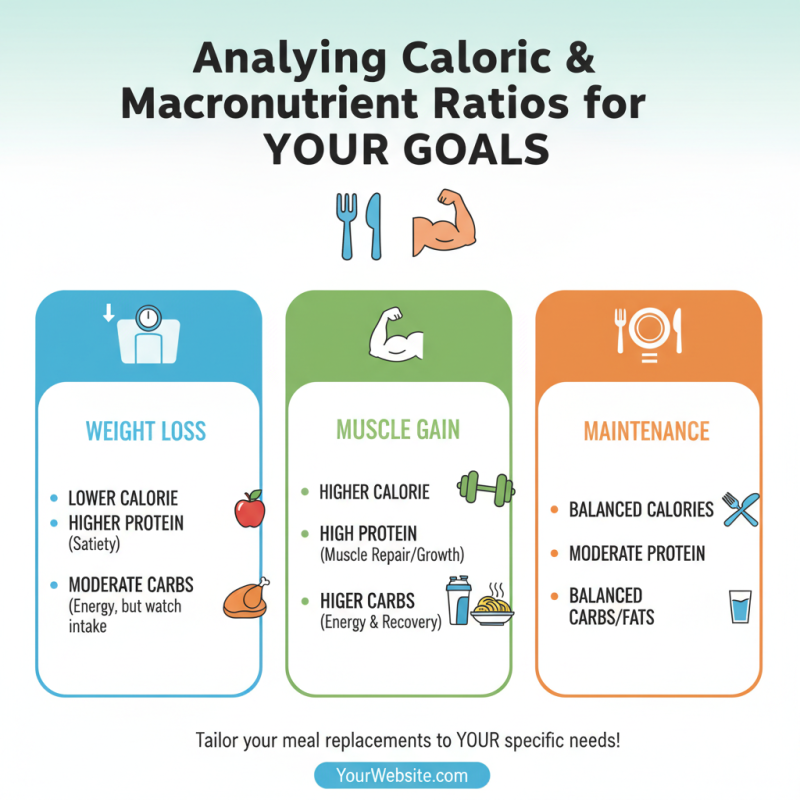
When choosing meal replacement supplements, understanding caloric and macronutrient ratios is essential. Each dietary goal requires a tailored approach. For instance, if you're aiming for weight loss, a lower-calorie option with higher protein might be beneficial. Protein helps with satiety, preventing overeating. Meanwhile, carbohydrates provide energy, but too many can hinder weight loss.
Also, consider your activity level. Active individuals may need more carbs to fuel workouts. Conversely, if your goal is muscle gain, increasing protein intake becomes crucial. Balancing fats is also important, as healthy fats support overall health. Aim for whole food sources when possible, and remember not all ratios are perfect fits.
Reflect on how these options impact your daily routine. Are you able to stick with a particular ratio long-term? It’s okay to adjust as your goals evolve. Monitoring how your body responds is part of the process. Experimentation can lead to better choices over time, even if it involves some trial and error.
Assessing Brand Reputation and Clinical Studies Supporting Effectiveness
When choosing meal replacement supplements, evaluating brand reputation is crucial. A trusted brand often reflects quality and safety. Look for companies that have been in the market for several years. Their experience can indicate a track record of reliability.
Clinical studies add another layer to this assessment. Brands that invest in scientific research are more likely to produce effective products. Check if clinical trials support their claims. Look for peer-reviewed studies that highlight the benefits of their supplements. Transparency in sharing this information builds trust.
However, not all studies are created equal. Some may be funded by the brand itself, raising questions about objectivity. Consumers should seek independent research. Awareness of the nuances in study results is essential. This critical approach helps in making informed choices. In the end, understanding both the brand's reputation and the science behind their products can lead to better decisions for your health.
Effectiveness of Meal Replacement Supplements Based on Clinical Studies