How to Choose the Best Functional Nutrition Supplements?
Choosing the right functional nutrition supplements can be a daunting task. The market is flooded with options, making it hard to find the best fit for your health needs. Functional nutrition emphasizes the importance of food in overall wellness. The right supplements should complement a balanced diet, improving your health effectively.
When selecting functional nutrition supplements, consider their quality and efficacy. Look for brands with transparency in sourcing and manufacturing. Research is essential; studies can provide insights into the benefits of specific ingredients. Additionally, understanding your personal health goals will guide your choices. Are you looking for energy, immune support, or digestive health?
Sometimes, people overlook potential interactions with medications or allergies. It’s crucial to reflect on your lifestyle and dietary preferences. Consulting a healthcare professional can add another layer of assurance. Remember, the goal is to enhance your nutrition, not to rely solely on supplements. Finding the right balance may take time, but the right functional nutrition supplements can make a significant difference in your health journey.

Understanding Functional Nutrition Supplements
Understanding functional nutrition supplements
is essential for navigating today’s complex health landscape. According to a report by the Council for Responsible Nutrition,
77% of American adults consume dietary supplements. This indicates a growing interest in supplements that support
specific health functions, rather than just general wellness.
Functional nutrition supplements focus on enhancing bodily functions. They often contain vitamins, minerals, and herbs aimed at targeted health issues, such as
digestion or immune support. For instance,
probiotics have been shown to improve gut health in
90% of participants in a randomized trial. This data underscores the importance of
researching the role of specific nutrients in overall health.
However, not all supplements are created equal. A study revealed that nearly
30% of supplements tested did not meet label claims. This raises concerns about
quality and efficacy.
Consumers should critically assess ingredient sources and manufacturing practices. It's also vital to
consult healthcare professionals to avoid potential interactions or side effects.
Awareness of these factors can aid in choosing the right functional nutrition supplements for
individual needs.
Identifying Personal Nutritional Needs and Goals
When choosing functional nutrition supplements, it's vital to identify your personal nutritional needs and goals. Start by evaluating your current diet. Are you meeting your macro and micronutrient requirements? Consider any deficiencies that may impact your energy levels or overall health. It’s important to approach this with honesty about your eating habits.
Tips: Reflect on your daily meals. Do they include a variety of food groups? Track your intake for a week to uncover gaps. Finding areas to improve can guide your supplement choices effectively.
Another key step is setting clear, achievable goals. What do you want to accomplish? Is it better energy, improved immunity, or enhanced fitness performance? Once defined, research supplements that align with these objectives. Beware of over-promising products; look for those with evidence-based backing.
Tips: Consult reliable resources or professionals for advice. It’s wise to read scientific studies about ingredients. Your needs are unique, and a tailored approach can lead to better results in your wellness journey.
Evaluating Ingredient Quality and Source
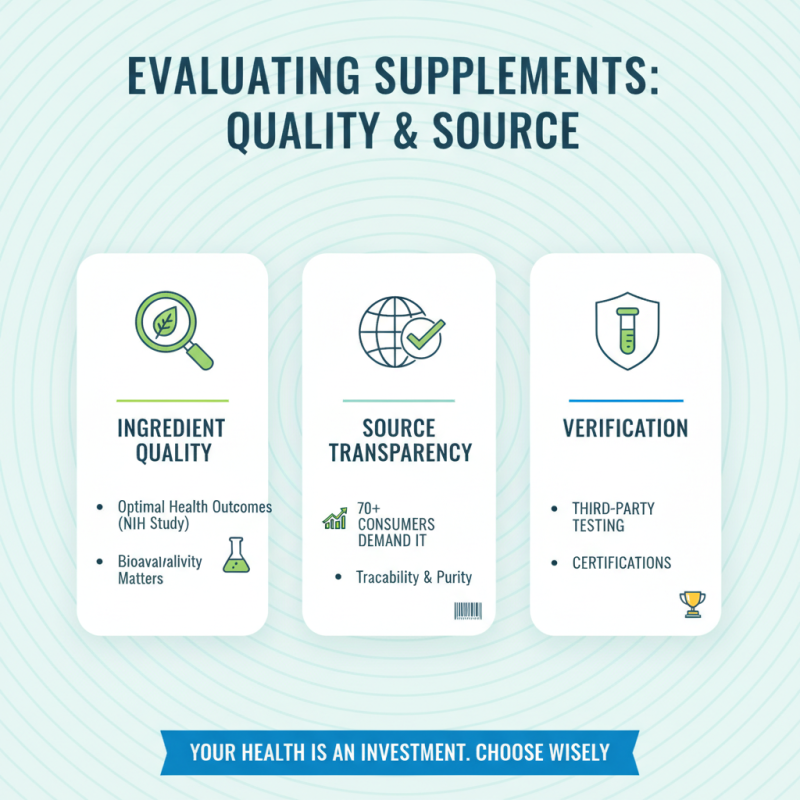
When choosing functional nutrition supplements, evaluating ingredient quality and source is crucial. Research shows that over 70% of consumers prioritize ingredient transparency in their supplements. This demand has led to a surge in third-party testing and certifications. A study by the National Institutes of Health emphasizes the importance of high-quality ingredients for optimal health outcomes.
Look for supplements that clearly show their ingredient sourcing. Ingredients from reputable suppliers often indicate higher potency and bioavailability. Some manufacturers publish Certificates of Analysis (COA), which confirm the supplements’ purity and strength. Importantly, ingredients derived from organic farming can reduce exposure to pesticides and harmful chemicals, as the Organic Trade Association reports.
Tips: Check for non-GMO and allergen-free labels. These can be indicators of product quality. Also, consider the extraction methods used. Cold-extraction often retains more nutrients than heat-extraction methods.
Be cautious, though; not all claims are backed by science. Misleading marketing can make it hard to distinguish quality products. Researching the sourcing process of ingredients can reveal a lot. Don’t hesitate to consult with healthcare professionals who are knowledgeable in supplements for guidance.
Assessing Certifications and Third-Party Testing
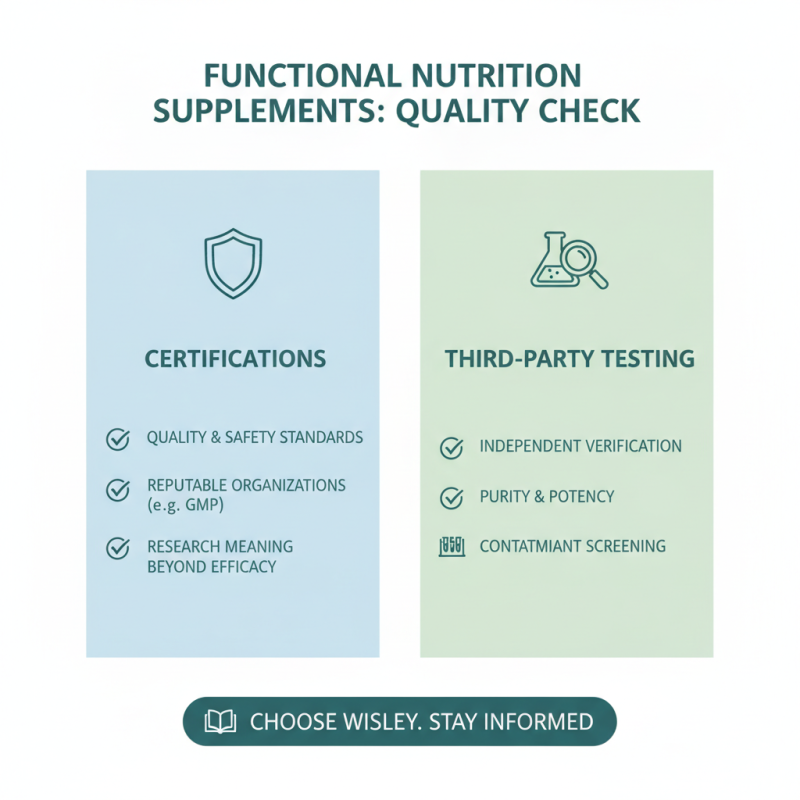
When choosing functional nutrition supplements, assessing certifications and third-party testing is essential. Certifications ensure that a product meets specific quality and safety standards. Look for labels indicating certifications from reputable organizations. These can show adherence to good manufacturing practices. However, not all certifications guarantee efficacy. Always research what each certification entails.
Third-party testing adds another layer of trust. It evaluates products for purity and potency, ensuring that what is on the label matches the contents. A tested product typically includes a certificate of analysis, which should be accessible to consumers. This transparency helps in making informed decisions. Yet, some companies may selectively share results. This practice raises questions about their authenticity.
Ultimately, consumers must navigate a sea of information. Not all dietary supplements are created equal. The presence of certifications and third-party testing can increase reliability, but it's not foolproof. Reflecting critically on the sources of information is crucial. Dive deeper into the claims and discover the true value of the products you consider.
Consulting Health Professionals Before Use
Consulting health professionals before using functional nutrition supplements is crucial. Many individuals overlook this step, believing that dietary supplements are harmless. However, research shows that nearly 20% of supplement users experience adverse effects. These can range from mild digestive issues to severe health complications. Experts recommend talking to healthcare providers to avoid these risks.
Healthcare professionals can offer insight based on personal health profiles. They can assess specific deficiencies and health goals. For example, a 2022 survey from the American Nutrition Association indicated that 75% of registered dietitians agree that personalized supplementation can enhance overall well-being. Without professional guidance, users may choose supplements that are not beneficial or may even interfere with medications.
Misunderstanding the benefits and risks is common. The global supplement market is projected to reach $220 billion by 2024, highlighting its popularity. Yet, many individuals fail to recognize that not all supplements are created equal. Quality can vary significantly, and some products might not contain the active ingredients listed. Consulting with health professionals helps ensure that choices are informed and tailored to one's specific needs.