How to Choose the Right Sports Nutrition Supplements for Optimal Performance
In the competitive world of athletics, the demand for performance enhancement has led to a remarkable growth in the sports nutrition supplements market. According to a recent report by IBISWorld, the sports nutrition supplements sector is projected to reach a staggering $20 billion by 2025, driven by increasing health consciousness and a growing interest in fitness among both professional athletes and recreational enthusiasts. As athletes strive for optimal performance, the choices available in sports nutrition supplements can be overwhelming, making it crucial to understand how to select the right products to meet individual needs.
Dr. Sarah Johnson, a leading expert in exercise physiology, emphasizes the significance of personalized nutrition, stating, "The right sports nutrition supplements can dramatically influence an athlete's performance, recovery, and overall health. It's essential to tailor supplementation to fit specific goals and training regimens." This insight underscores the need for athletes to critically evaluate which supplements align with their objectives, whether it be increasing endurance, enhancing strength, or improving recovery times.
As this industry continues to expand, understanding the scientific foundation behind various sports nutrition supplements becomes paramount. Athletes must consider factors such as ingredient quality, efficacy, and their individual training demands to make informed decisions that can support their performance aspirations.

Understanding Your Nutritional Needs for Sports Performance
Understanding your nutritional needs is crucial for optimizing sports performance. Each athlete has unique requirements based on their sport, training intensity, and individual goals. It’s essential to evaluate your daily energy expenditure and macronutrient ratios — which include carbohydrates, proteins, and fats — to create a balanced diet that supports your training regimen. For endurance athletes, carbohydrates are paramount for sustained energy, whereas strength athletes may require more protein for muscle repair and growth.
**Tips:** Track your food intake for a week to gain insights into your dietary habits. This will help you identify any nutritional gaps and adjust your meals accordingly. Additionally, consider consulting a sports nutritionist for personalized advice tailored to your specific needs and performance goals.
Hydration is another critical aspect of sports nutrition that should not be overlooked. Proper fluid intake can significantly affect athletic performance and recovery. Make a habit of drinking water consistently throughout the day, and consider incorporating electrolyte-rich beverages during extended training sessions to replenish lost minerals.
**Tips:** Carry a water bottle with you and aim for awareness of your hydration status, such as the color of your urine. If it’s dark, it’s a sign you need more fluids. Remember that hydration needs may vary depending on climate, training intensity, and individual sweat rates.
How to Choose the Right Sports Nutrition Supplements for Optimal Performance
This chart illustrates the recommended daily intake of various sports nutrition supplements for optimal performance based on common athlete needs.
Types of Sports Nutrition Supplements and Their Benefits
When it comes to sports nutrition supplements, understanding the various types available can significantly enhance your performance and recovery. Among the most common categories are protein powders, creatine, and branched-chain amino acids (BCAAs).
Protein powders, such as whey or plant-based options, aid in muscle repair and growth, making them an essential part of post-workout nutrition. Creatine, on the other hand, is known for its ability to enhance strength and power output during high-intensity exercises, allowing athletes to push their limits. BCAAs can help reduce muscle soreness and fatigue, promoting quicker recovery times.
Tips: Always choose supplements that are third-party tested to ensure quality and safety. Additionally, it's crucial to align your supplement intake with your overall diet and hydration to maximize the intended benefits. Incorporating a well-balanced meal plan rich in whole foods should always be prioritized alongside supplements.
Other popular supplements include pre-workout formulas, which can improve focus and energy levels, and omega-3 fatty acids that support joint health and reduce inflammation. Selecting the right combination of these supplements tailored to your specific training goals will not only help optimize your performance but also maintain your overall well-being.
Tips: Before introducing new supplements, consult with a healthcare professional or a registered dietitian for personalized advice. Remember that supplements should complement, not replace, a nutritious diet for the best results in your athletic pursuits.
How to Assess the Quality of Sports Supplements
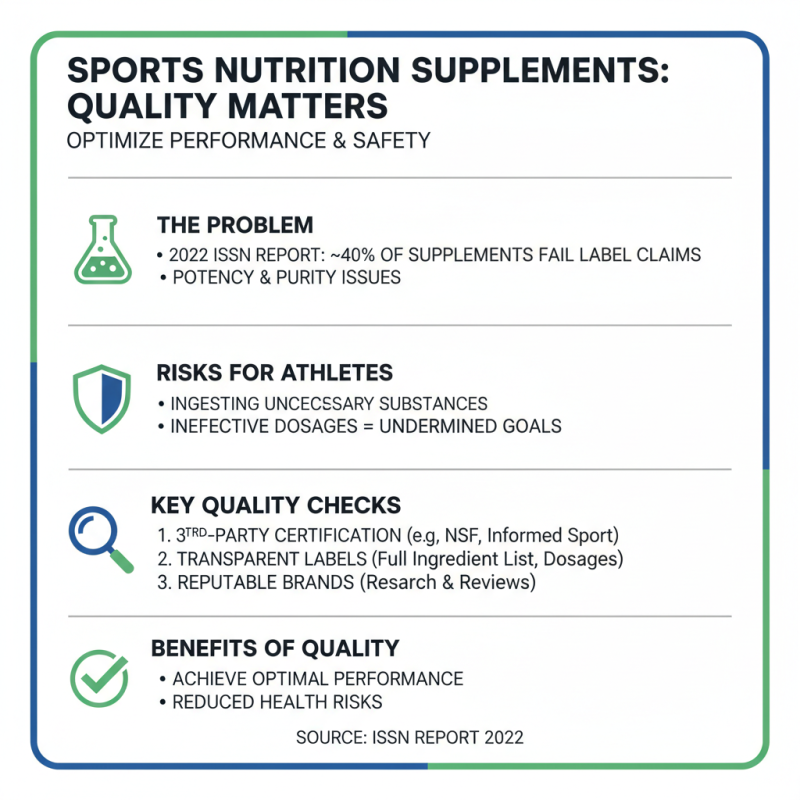
When selecting sports nutrition supplements, assessing quality is paramount for achieving optimal performance. According to a 2022 report by the International Society of Sports Nutrition (ISSN), approximately 40% of sports supplements on the market do not meet label claims concerning ingredient potency and purity. This discrepancy can lead athletes to ingest unnecessary substances or ineffective dosages, undermining their performance goals.
To ensure quality, athletes should seek certifications from reputable organizations such as NSF International or Informed-Sport, which verify that products are free from banned substances and accurately labeled. Additionally, examining third-party testing results can provide insight into the product's composition. A 2021 study in the Journal of the American College of Sports Medicine found that supplements undergoing rigorous quality control resulted in a 30% decrease in adverse effects among users. This indicates that thorough testing not only ensures product integrity but also supports athletes' health and performance outcomes significantly.
Timing and Dosage of Supplements for Optimal Results
When considering the timing and dosage of sports nutrition supplements, athletes can significantly enhance their performance and recovery. Research suggests that the strategic timing of nutrient intake plays a crucial role in optimizing athletic performance. For instance, consuming protein and carbohydrates within 30 minutes post-exercise can enhance muscle recovery and glycogen resynthesis, which is vital for those engaging in high-intensity training. A study published in the Journal of the International Society of Sports Nutrition highlighted that athletes who ingested protein and carbohydrates immediately after their workouts experienced a 20% greater increase in muscle mass over eight weeks compared to those who delayed their intake.
It's equally important to pay attention to dosage. Scientific evidence indicates that for protein supplementation, doses ranging from 20 to 40 grams are most effective for stimulating muscle protein synthesis, especially after resistance training. A report from the American College of Sports Medicine indicates that frequent, small doses of protein throughout the day can be beneficial for muscle maintenance and growth, rather than relying on a single large dose.
Tips: Remember to tailor your supplement timing to your training schedule. For example, if you have a workout in the evening, make sure to consume adequate nutrition in the hours leading up to it to ensure optimal energy levels. Additionally, consider experimenting with pre-workout nutrition — a small meal rich in carbohydrates and moderate in protein consumed about 30-60 minutes before exercise can enhance endurance and strength performance.
Safety Considerations When Choosing Sports Nutrition Products
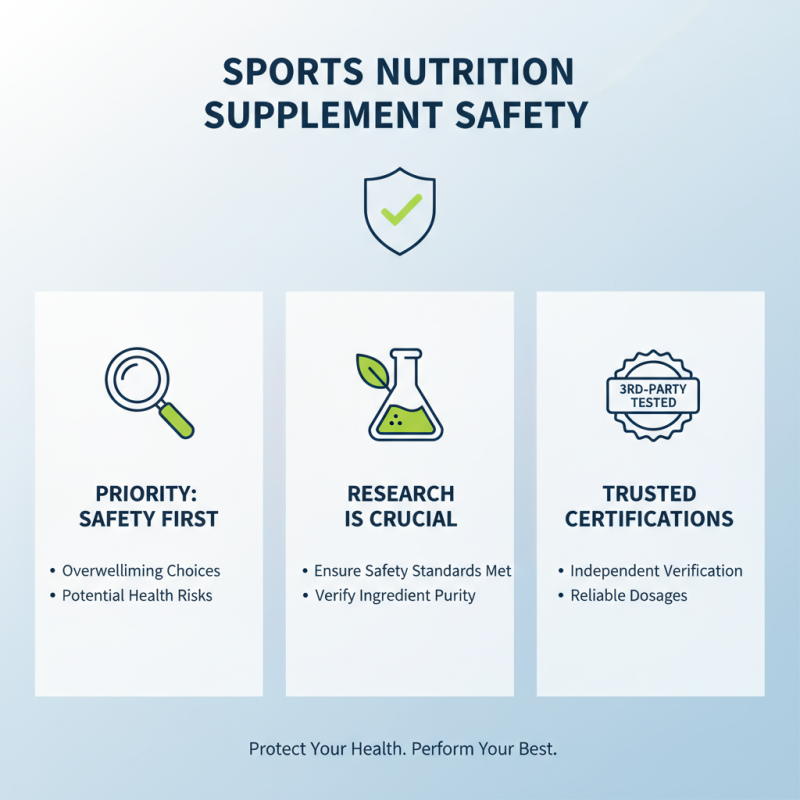
When selecting sports nutrition supplements, safety should be a paramount consideration. Athletes often face overwhelming choices, and while some products promise impressive results, others may pose health risks. It is crucial to research each supplement thoroughly to ensure it meets safety standards. Look for products that have been tested by third-party organizations, as these certifications can provide assurance regarding ingredient purity and dosages.
Additionally, examining the ingredient list is vital to avoid potential allergens or substances that could trigger adverse reactions. Athletes should also consider whether the supplement is free from banned substances, as this can have implications for competition eligibility. Consulting with a healthcare professional or a registered dietitian can provide personalized guidance and help navigate the complexities of sports nutrition. Focusing on these safety considerations not only promotes better health outcomes but also optimizes athletic performance without compromising well-being.