The global market for meal supplements is expanding, but bigger does not always mean better. Grand View Research valued the global dietary supplements market at approximately USD 177.5 billion in 2023. It projects continued growth through 2030. Meanwhile, the Council for Responsible Nutrition reported that 75% of U.S. adults used dietary supplements in 2024. These figures show strong demand, not automatic product quality.
This guide examines 10 best meal supplements for global buyers. It considers protein content, calorie balance, ingredient transparency, allergen labeling, shelf stability, and independent testing. Packaging matters, too. A resealable pouch can protect powder during humid shipping. A clear serving scoop reduces daily guesswork. Small details count.
Dr. Pieter Cohen, an associate professor at Harvard Medical School, has repeatedly warned that dietary supplements “are not medicines.” That distinction should shape every purchase. Meal supplements may support convenience, energy intake, or nutritional planning. They should not replace varied foods without a clear reason.
The selection also refers to findings from the World Health Organization, the U.S. National Institutes of Health Office of Dietary Supplements, and current market research. Yet international comparison remains imperfect. Serving sizes differ. Fortification rules vary. A product accepted in one country may require different labeling elsewhere.
Some formulas look impressive on paper. Their real value may be less certain. This review separates measurable nutrition from attractive marketing, while recognizing that no single product suits every body, budget, or culture. Check local regulations and personal dietary needs before buying.
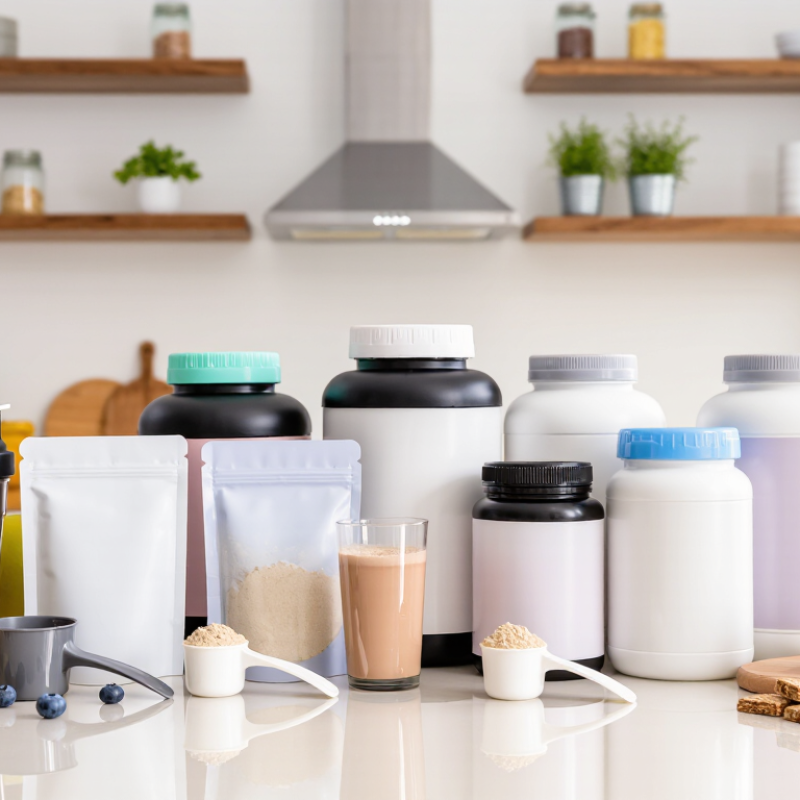
Meal supplements are formulated products that help provide calories, protein, vitamins, or minerals when ordinary meals are inconvenient or insufficient. They may appear as powders, ready-to-drink liquids, bars, or fortified portions. They are not automatically complete meals. Some products contain too little fiber, while others provide excessive sugar or sodium.
Who should consider them? People with limited appetite, demanding work schedules, swallowing difficulties, or increased nutritional needs may find them useful. Older adults recovering from illness may also benefit, but only after professional assessment. A 2023 Council for Responsible Nutrition survey reported that 74% of U.S. adults use dietary supplements, showing strong consumer interest. However, popularity is not proof of suitability. The Global Nutrition Report 2024 also highlights persistent micronutrient gaps worldwide, yet those gaps differ by age, region, income, and diet.
Read the nutrition panel carefully. Look for meaningful protein, adequate fiber, transparent ingredients, and suitable allergen information. People with kidney disease, diabetes, food allergies, or pregnancy-related needs should seek guidance from a registered dietitian or clinician. Medication interactions are possible. Check local labeling rules before importing products, because definitions vary between countries. In practice, a supplement may solve a skipped breakfast, but it cannot repair an unbalanced diet every day. That distinction is easy to miss. A further concern is personal tolerance: bloating, poor taste, or unrealistic serving sizes can make a theoretically helpful product useless.
Meal supplements should complement a balanced diet rather than replace all whole foods. This chart shows the recommended acceptable distribution ranges of carbohydrates, fat, and protein for healthy adults, which can help buyers compare nutrition labels across products and markets.
Reference: Acceptable Macronutrient Distribution Ranges for adults from the U.S. National Academies of Sciences, Engineering, and Medicine. Individual requirements vary by age, health status, activity level, and local dietary guidance.
Choosing the best meal supplement starts with the buyer, not the package. A useful top-ten list should compare nutrition, safety, and suitability for different diets. Check protein sources, calorie levels, fiber, sugar, sodium, and essential vitamins. A powder with 25 grams of protein may still provide too little energy for an active adult.
Read the full ingredient panel carefully. People with milk, soy, egg, nut, or gluten allergies need clear allergen statements and reliable manufacturing controls. Vegan buyers should verify the protein source and vitamin B12 content. Older adults may need softer textures and moderate sodium. Athletes may prefer higher protein, while travelers often need lightweight portions and simple preparation. Ask a qualified dietitian when pregnancy, diabetes, kidney disease, or medication is involved. Small details matter.
Compare serving size with real eating habits. One scoop might look generous, yet produce a thin drink that leaves hunger behind. Test the texture with cold water, warm milk, or a local alternative. Taste can vary with climate and storage conditions. Look for sealed packaging, batch information, expiry dates, and independent quality testing. Local regulations also matter, because labeling standards differ between countries. I would not trust impressive claims alone. Even a carefully researched choice can fail if the flavor becomes unpleasant after repeated use.
Global buyers need practical nutrition, not attractive labels alone. Grand View Research estimated the global dietary supplements market at about USD 177.5 billion in 2023. This growth reflects convenience, aging populations, and changing work patterns. However, market size does not prove product quality. My list favors transparent formulas, stable storage, and clear serving information. The ten strongest options are protein powder, complete meal shakes, fortified oats, dietary fiber, multivitamins, omega-3 supplements, calcium with vitamin D, electrolyte formulas, probiotic products, and iron supplements for confirmed deficiency.
Protein powder suits travelers who struggle to reach daily protein needs. EFSA sets the adult reference value at 0.83 grams per kilogram of body weight daily. A shake can help after exercise or during a delayed meal. It cannot replace vegetables, legumes, or regular food. Complete meal shakes are more useful when calories, protein, fat, vitamins, and minerals are declared together. Fortified oats and fiber powders offer simple breakfasts. Choose products with low added sugar and visible allergen statements. Small details matter.
Calcium and vitamin D may support people with low dietary intake, but dosage requires care. Iron deserves more caution. Unnecessary iron can cause harm, so testing and medical advice are sensible. Omega-3 products should state active fatty-acid amounts, not only total oil. Probiotics need strain names and storage guidance. The International Scientific Association for Probiotics and Prebiotics notes that benefits are strain-specific. My ranking is imperfect because climate, customs rules, diets, and local fortification standards vary. Some powders also taste chalky. That is worth admitting. Check independent testing, batch numbers, expiration dates, and local regulations before purchase.
Choosing the ten best meal supplements depends on ingredients, nutrition, price, and availability rather than popularity. A dietitian would usually check protein quality, fiber, added sugar, sodium, and vitamin coverage first. Useful formats include complete meal powders, ready-to-drink shakes, oat-based blends, soy formulas, pea formulas, rice-protein mixes, high-fiber drinks, calorie-dense blends, fortified soups, and lactose-free options. Each serves a different need.
Protein should match the buyer’s diet and activity level. Soy provides a complete protein profile, while some plant blends need combined sources. Fiber can support fullness, but sudden increases may cause discomfort. Check iron, calcium, vitamin D, and vitamin B12, especially when meals are replaced often. Nutrition panels can look impressive, yet serving sizes sometimes hide low protein or excessive sugar. I learned to compare products per 100 grams, not only per serving.
Price changes sharply between local powders and imported ready-to-drink products. Shipping, taxes, storage temperature, and regional labeling rules also affect the real cost. Buyers should confirm expiration dates and sealed packaging. Independent laboratory testing adds confidence, although it does not prove the product suits everyone. Availability matters during travel, so common ingredients and shelf-stable formats may be more practical. I would not call one option universally best. Personal allergies, medical conditions, and daily meals can change the ranking. Some choices remain convenient, but convenience is not the same as nutritional completeness.
| No. | Supplement format | Typical key ingredients | Typical nutrition per serving | Dietary suitability | Approx. retail price per serving | Global availability | Best suited for |
|---|---|---|---|---|---|---|---|
| 1 | Balanced meal powder | Milk or plant protein, oat or rice carbohydrate, soluble fiber, vegetable oil powder, vitamin and mineral premix |
350–450 kcal Protein: 20–30 g Fiber: 5–10 g Sugars: 5–12 g |
Usually vegetarian; dairy-free versions available | US$2.00–4.50 | High Online retailers and specialist nutrition stores in North America, Europe, Asia-Pacific, and the Middle East |
Complete meal replacement when preparation facilities are limited |
| 2 | High-protein meal shake | Whey, milk, soy, or pea protein; cocoa or flavoring; maltodextrin or oat powder; added vitamins and minerals |
250–400 kcal Protein: 25–40 g Fiber: 2–8 g Sugars: 3–10 g |
Vegetarian options common; allergen status depends on protein source | US$1.50–4.00 | Very high Widely sold through supermarkets, pharmacies, gyms, and e-commerce platforms |
Active adults prioritizing protein intake and portability |
| 3 | Plant-based complete shake | Pea, soy, rice, or fava-bean protein; oat or tapioca carbohydrate; flaxseed or sunflower oil; added micronutrients |
300–450 kcal Protein: 20–30 g Fiber: 6–12 g Sugars: 3–10 g |
Vegan formulas available; check soy, gluten, and nut allergen statements | US$2.50–5.50 | High Strong presence in North America, Western Europe, Australia, and urban Asian markets |
Consumers seeking dairy-free or plant-based meal options |
| 4 | Ready-to-drink meal beverage | Milk or plant protein, water, vegetable oil, starch or maltodextrin, stabilizers, and vitamin-mineral fortification |
250–500 kcal Protein: 15–30 g Fiber: 3–8 g Sugars: 5–20 g |
Convenient options available for vegetarian, lactose-free, and vegan diets | US$3.00–7.00 | High Availability is strongest where cold-chain or shelf-stable retail distribution is developed |
Travel, commuting, office use, and emergency meal convenience |
| 5 | Oat-based meal blend | Whole-oat flour, milk or plant protein, chia or flaxseed, fruit powder, and selected vitamins and minerals |
300–450 kcal Protein: 15–25 g Fiber: 6–11 g Sugars: 6–16 g |
Vegetarian; gluten-free status requires certified gluten-free oats | US$1.50–4.00 | High Ingredients are broadly available and products are commonly sold as powder sachets or tubs |
Buyers who prefer a cereal-based texture and moderate energy release |
| 6 | High-fiber meal replacement | Protein isolate or concentrate, inulin or resistant maltodextrin, psyllium, oat fiber, and vitamin-mineral blend |
200–350 kcal Protein: 15–30 g Fiber: 10–20 g Sugars: 2–10 g |
Vegetarian and vegan versions available; high fiber may require gradual intake | US$2.00–5.00 | Medium to high Common online; selection may be narrower in markets with limited specialty nutrition retail |
Consumers focused on satiety and increasing dietary fiber |
| 7 | Low-sugar diabetic-friendly shake | Protein concentrate or isolate, soluble fiber, unsaturated vegetable oils, low-calorie sweetener, and micronutrient premix |
180–300 kcal Protein: 15–25 g Fiber: 5–10 g Sugars: 1–6 g |
Often suitable for low-sugar diets; medical suitability must be confirmed by a healthcare professional | US$2.00–6.00 | Medium to high Usually available through pharmacies, hospitals, clinics, and online health retailers |
Adults monitoring sugar intake or carbohydrate portions |
| 8 | Organic-oriented meal powder | Certified-organic grains or legumes where available, organic protein, seed ingredients, natural flavors, and nutrient fortification |
300–450 kcal Protein: 15–25 g Fiber: 5–10 g Sugars: 5–15 g |
Vegetarian or vegan options common; certification rules vary by country | US$3.00–7.00 | Medium Most accessible in premium grocery, natural-food, and e-commerce channels |
Buyers prioritizing organic sourcing and shorter ingredient lists |
| 9 | Budget meal powder | Soy or milk protein, cereal flour, maltodextrin, vegetable oil powder, flavoring, and basic vitamin-mineral fortification |
250–400 kcal Protein: 12–25 g Fiber: 2–7 g Sugars: 6–18 g |
Vegetarian options common; formulas may contain dairy, soy, or gluten | US$0.80–2.50 | Very high Most suitable for markets with local powder production and established mass retail distribution |
Price-sensitive buyers, students, and large-volume household purchasing |
| 10 | Shelf-stable emergency meal bar | Oats or cereal crisps, soy or milk protein, nut or seed paste, vegetable oil, dried fruit, and vitamin-mineral additions |
250–400 kcal Protein: 8–20 g Fiber: 3–8 g Sugars: 8–25 g |
Vegetarian options common; nut, dairy, soy, and gluten allergens require label checks | US$2.00–6.00 | High Long shelf life supports cross-border shipping, disaster-relief supply, and outdoor retail |
Outdoor activities, disaster preparedness, and situations without clean mixing water |
| Nutritional values and prices are typical retail ranges for comparable meal-supplement formats, expressed per serving in US dollars. Actual values vary by formulation, serving size, local taxes, shipping costs, certification, and country-specific labeling regulations. Meal supplements should not automatically be treated as nutritionally complete unless the product label confirms complete vitamin and mineral fortification. | |||||||
Choosing a meal supplement safely starts with your actual eating pattern. Check the nutrition panel, serving size, allergens, added sugars, and protein source. A product should support meals, not quietly replace varied foods every day. Needs differ with age, activity, pregnancy, allergies, and medical conditions. Ask a registered dietitian or qualified healthcare professional when these factors apply.
Buy from a seller with clear contact details and traceable batch information. Look for sealed packaging, an expiry date, storage instructions, and testing statements that explain what was checked. Rules differ between countries, so verify local import and labeling requirements before ordering. Be cautious with dramatic promises. They often sound more certain than the evidence allows.
Use the stated serving with clean water, and measure accurately rather than guessing with a kitchen spoon. Do not combine several fortified products without checking overlapping nutrients. Stop using it if you notice a rash, breathing difficulty, severe stomach pain, or other concerning symptoms, and seek medical advice. I once underestimated how quickly an opened powder absorbed kitchen humidity. It clumped within days. Store supplements tightly closed, away from heat, sunlight, moisture, children, and pets. A cool cupboard is usually better than a steamy bathroom. Refrigeration is not always suitable, so follow the label. Check smell, color, and texture before each use; when uncertain, discard it.
Please visit our Flavor List for inspiration and contact Custom Flavors to discuss your specific flavor needs.
© 2025 Custom Flavors. All Rights Reserved.

"*" indicates required fields