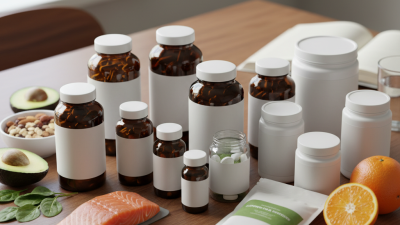
Choosing the right foods supplements for international markets is rarely as simple as comparing prices. Buyers must examine ingredients, quality controls, evidence, and local regulations before placing an order. A product that works well in one country may require different labeling, dosage guidance, or import documentation elsewhere.
This guide introduces ten widely considered supplement options for global buyers. It will examine practical choices such as multivitamins, omega-3 products, probiotics, protein powders, vitamin D, magnesium, and plant-based formulas. Each category deserves careful review. Look for clear ingredient panels, batch numbers, expiration dates, allergen statements, and tamper-evident seals. Independent laboratory testing also provides stronger reassurance than attractive packaging alone.
Quality matters at every step.
Reliable purchasing requires more than reading online reviews. Buyers should check whether manufacturers follow recognized production standards, publish testing information, and use traceable supply chains. Professional advice is especially important for pregnant individuals, children, older adults, and people taking medication. Supplements should support a balanced diet, not replace medical treatment or varied meals.
There is no universal “best” supplement. Needs differ by age, diet, climate, health status, budget, and national rules. Even trusted brands can have weaknesses, including unclear sourcing or limited evidence for certain claims. This guide will acknowledge those gaps rather than promise perfect results. Readers should verify current regulations and consult qualified healthcare professionals before making significant decisions.
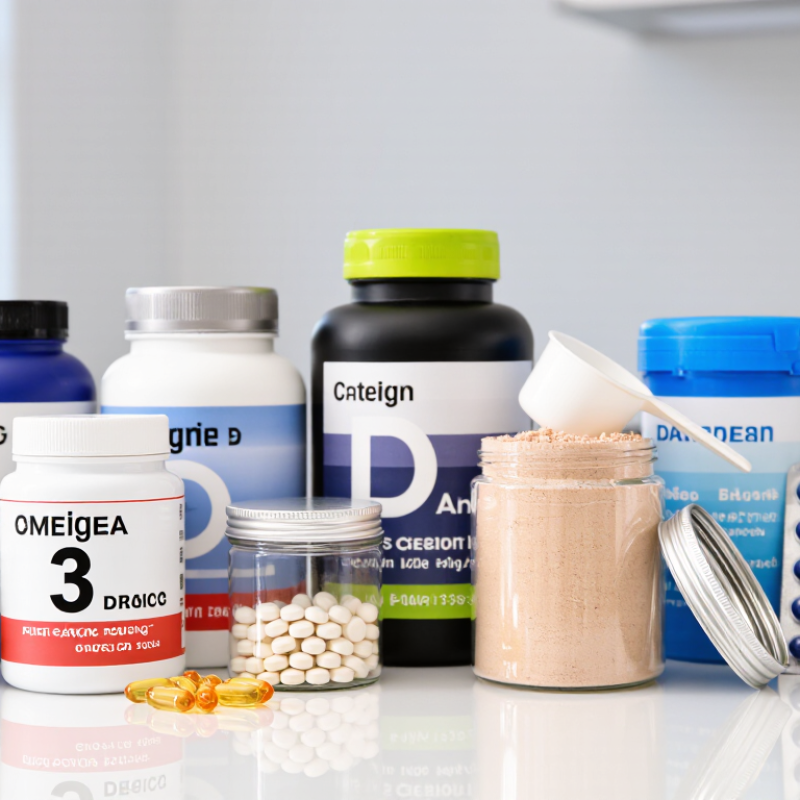
Food supplements are products designed to add nutrients or other dietary ingredients to an everyday diet. They may contain vitamins, minerals, protein, fiber, or plant-based ingredients. Formats vary: tablets beside a breakfast bowl, powder stirred into a shaker, or liquid measured with a small spoon. They can be useful, but they are not substitutes for varied meals or medical care.
Global buyers use supplements for different reasons. A traveler may want a compact product that fits in a carry-on, while a retailer may seek steady supply and clear ingredient documentation. Some people use them to address a confirmed nutrient gap. Others choose them for convenience, especially when work schedules make regular meals difficult. The reason matters. Needs differ with age, diet, health, and local food habits.
Careful purchasing takes more than comparing a label’s front panel. Check the full ingredient list, serving size, storage instructions, and evidence behind health claims. Quality systems and independent testing can offer useful reassurance, though neither makes every product right for every person. Rules and labeling requirements also vary by market, so importers should verify local requirements before ordering. Ask for product specifications and test records. Keep the paperwork. And talk with a qualified health professional when a supplement may interact with medicine or an existing condition. A neat label is not proof of a good fit. Even careful buyers can miss details.
A supplement label is a starting point, not proof of quality. Check the exact ingredient form, amount per serving, and serving size; these details can change how a product is assessed. The Council for Responsible Nutrition’s 2023 Consumer Survey reported that 74% of U.S. adults take dietary supplements. That broad use makes clear labeling and dependable quality controls important. Look for batch-specific testing that checks identity, strength, and contaminants, rather than a vague claim of “purity.” A seal can help, but it does not prove a supplement works for every person.
Manufacturing standards matter, too. In the United States, FDA current good manufacturing practice rules for dietary supplements require controls for production, packaging, and recordkeeping. Buyers can ask manufacturers for a recent certificate of analysis and details about the laboratory that issued it. Check whether the report matches the product’s lot number. Small detail. It matters. The NIH Office of Dietary Supplements also provides fact sheets that explain ingredient evidence and safety considerations. Compare those sources with the label, especially when amounts look unusually high. Documentation can still leave gaps, and testing does not guarantee clinical benefit. That limitation deserves attention.
Supplement choices work best when matched to a real dietary need, not a trend. The Council for Responsible Nutrition’s 2023 Consumer Survey found that 74% of U.S. adults use supplements. Ten common categories serve different goals: multivitamins for dietary gaps; vitamin D and calcium for bone health; omega-3s for heart-health support; fiber for digestive regularity; probiotics for specific gut needs; protein for muscle maintenance; iron for confirmed low levels; prenatal folic acid for pregnancy planning; and magnesium for normal muscle and nerve function. These products are not interchangeable.
Evidence and suitability vary. The NIH Office of Dietary Supplements notes that needs depend on age, diet, health, and life stage. Probiotic effects can differ by strain, while excess iron can be harmful. A supplement also cannot reliably make up for poor sleep or an unbalanced diet. The shelf can look convincing; the evidence is less tidy.
Tips: Check the Supplement Facts label and compare the dose with your daily needs. Ask a qualified health professional before combining products or using iron, especially if you take medication or have a health condition. Keep a simple food-and-symptom diary for two weeks. It may reveal that the missing piece is a meal, not a capsule.
Comparing food supplements starts with the form people can use consistently. Tablets travel well, but large ones may be difficult to swallow. Powders allow flexible serving sizes, though moisture can cause clumping. Capsules are convenient, while liquids may need careful storage. Check the amount of each active ingredient per serving, not just the number of milligrams on the front label. Small details matter. Serving instructions should be clear and consistent across the label and technical documents.
Price comparisons need a shared basis. Calculate the cost per daily serving, then include shipping, minimum order quantities, packaging, and expected shelf life. A low unit price can look attractive until short expiry dates or high freight costs change the calculation. Certifications also need close review. Confirm what each certificate covers, who issued it, and whether it applies to the specific facility or product. A logo alone is not enough.
Assess suppliers through documentation and practical communication. Request product specifications, recent test reports, ingredient traceability, and clear answers about production timelines. Ask how they handle batch identification and quality concerns. Responses should be specific, not just reassuring. Still, a tidy spreadsheet can create false confidence; documents need verification, and sample packaging may not reflect every future production run. Compare the evidence, note what remains uncertain, and avoid treating an unanswered question as a minor detail.
A practical comparison of widely traded supplement categories. “Best” depends on intended use, local regulations, target market, and product specifications; this table is a sourcing overview, not a ranking or medical recommendation.
| Supplement category | Common dosage forms | Typical adult serving range | Indicative retail cost per 30 days (USD) | Quality checks and relevant certifications | Supplier comparison points |
|---|---|---|---|---|---|
| Vitamin D3 | Softgels, tablets, drops, powders | Common products provide 600–2,000 IU (15–50 mcg) per serving; needs vary by age, diet, and health status. | $3–$15 | Verify identity, potency, and stability testing. GMP, USP Verified, or NSF certification may apply to a product or facility; confirm the exact scope. | Compare IU per unit, carrier oil or allergen details, dropper accuracy, light-resistant packaging, and market-specific labeling. |
| Omega-3 fish oil | Softgels, liquid oil, emulsions | Many general-use products provide about 250–500 mg combined EPA and DHA per day. Check EPA and DHA separately; total fish-oil weight is not equivalent. | $8–$30 | Request oxidation and contaminant results, including heavy metals. Look for recognized third-party testing or a current certificate of analysis (COA). | Compare EPA/DHA per serving, source species, sustainability documentation, freshness data, odor control, and shipping temperature requirements. |
| Magnesium | Tablets, capsules, powders, liquids | Common supplemental servings provide 100–300 mg of elemental magnesium. Label the elemental amount, not only the compound weight. | $5–$25 | Check elemental-magnesium assay, ingredient identity, and contaminant testing. GMP and independent verification can support manufacturing-quality review. | Compare the magnesium compound, elemental amount per serving, solubility, excipients, capsule size, and local rules for permitted claims. |
| Probiotics | Capsules, sachets, powders, liquids | Formulas vary widely; products commonly list billions of CFU per serving. Strain identity and viable count through the stated shelf life are important. | $10–$45 | Verify strain-level identification, CFU at end of shelf life, stability data, and contamination controls. GMP or ISO food-safety systems relate to production controls, not proven efficacy. | Request strain documentation, storage and shipping conditions, shelf-life evidence, packaging moisture protection, and market-specific stability data. |
| Creatine monohydrate | Unflavored powder, capsules, tablets | A common maintenance serving is 3–5 g daily for healthy adults; individual use should be considered with a qualified professional. | $8–$25 | Check identity, purity, and heavy-metal testing. For sport use, verify current batch-level testing through a recognized banned-substance certification program where required. | Compare assay results, particle size, solubility, packaging moisture barrier, batch traceability, and whether the quoted price is for pure monohydrate. |
| Vitamin C | Tablets, capsules, chewables, powders, liquids | Common products provide 250–1,000 mg per serving. The adult tolerable upper intake level in the U.S. is 2,000 mg per day from all sources. | $4–$18 | Verify identity, potency, and stability. Check sweeteners and excipients in chewables, and confirm GMP or third-party testing claims against documentation. | Compare dose per unit, flavor and sweetener profile, moisture sensitivity, packaging, and permitted nutrient claims in destination markets. |
| Zinc | Tablets, capsules, lozenges, liquids | Many products provide 5–25 mg of elemental zinc per serving. The U.S. adult upper intake level is 40 mg per day from all sources. | $3–$15 | Check elemental zinc declaration, identity, and contaminant testing. Review interactions and labeling requirements for the destination market. | Compare elemental amount, zinc compound, serving size, lozenge ingredients if applicable, and warnings required by local regulations. |
| Psyllium husk fiber | Powder, capsules, wafers, sachets | Common servings provide roughly 3–5 g of psyllium husk; users generally need adequate fluid. Follow the product label. | $7–$25 | Request identity, microbiological, pesticide, and contaminant testing as relevant. Organic certification applies only when the product and supply chain meet the applicable standard. | Compare fiber per serving, husk purity, flavorings, swelling and mixing properties, packaging, and shipping volume for bulk orders. |
| Turmeric / curcumin | Capsules, tablets, powders, liquid extracts | Extract products differ substantially in curcuminoid concentration; compare the declared curcuminoid amount rather than capsule weight alone. | $8–$40 | Check botanical identity, extract standardization, and testing for adulterants, pesticides, and heavy metals. Request batch-specific COAs. | Compare plant part, extraction details, standardization method, bioavailability ingredients, allergen disclosures, and local rules for structure/function claims. |
| Multivitamin and mineral | Tablets, capsules, gummies, powders, liquids | Serving sizes and nutrient amounts vary by age group and formulation. Compare each nutrient with applicable national reference values and limits. | $5–$35 | Review nutrient assay, ingredient identity, and contaminant controls. Independent verification may help confirm label contents; certification scope should be checked directly. | Compare intended population, nutrient forms and amounts, allergen and dietary suitability, serving size, country-specific labeling, and stability data. |
Important: Prices are broad illustrative retail estimates, not supplier quotations; they vary by country, dosage, pack size, shipping, taxes, and testing level. Certifications such as GMP, NSF, USP, ISO, HACCP, or organic certification have different scopes and are not interchangeable. Ask suppliers for current certificates, batch-specific COAs, traceability records, and documentation valid for the intended destination market. Supplement needs and permitted claims vary by person and jurisdiction.
10 Best Food Supplements for Global Buyers?
The most useful categories include vitamin D, B12, iron, calcium, magnesium, omega-3, probiotics, fiber, protein, and prenatal multivitamins. “Best” depends on deficiency, diet, age, and local regulation. The Council for Responsible Nutrition reported that 74% of U.S. adults used supplements in 2023. That demand does not remove safety duties.
Global buyers should verify the manufacturing site, batch number, expiry date, allergen statement, and contaminant testing. Codex Alimentarius guidance supports clear ingredient names, accurate quantities, and truthful claims. Labels should use the destination country’s language and measurement units. A product accepted in one market may still require notification, registration, or different claims elsewhere. The European Food Safety Authority also stresses that health claims need scientific support. Be careful with “detox” language. It sounds attractive, but it may be weak evidence.
Tips: Ask for a current certificate of analysis for every batch. Check heavy metals, microbes, allergens, and prohibited substances. Compare the label with the import documents. Do not rely on a supplier’s screenshot. FDA import guidance shows that documentation errors can delay entry, even when the product itself appears compliant. Rules change, and online summaries can lag. No label is perfect. Buyers should review local customs requirements and consult a qualified regulatory specialist before ordering at scale.
Please visit our Flavor List for inspiration and contact Custom Flavors to discuss your specific flavor needs.
© 2025 Custom Flavors. All Rights Reserved.

"*" indicates required fields